
Reviewed · SUWON HWASEONG FORTRESS
Hwaseong Fortress and Korean Folk Village Tour from Seoul
Hwaseong Fortress gives this day trip its strongest moment: massive stone walls, old gates, artillery towers, and mountain views wrapped around Suwon. You’ll then shift from military architecture to everyday Joseon life at Korean Folk Village, where restored homes, workshops, performances, and a market fill the afternoon. Richard has earned particular praise for clear explanations and thoughtful help.
I like the easy hotel pickup and comfortable coach, especially because Suwon is about 30 kilometers from Seoul. I also like the contrast between the two stops: Hwaseong explains how a late Joseon city was protected, while the folk village shows how ordinary people lived and worked. The main caution is that guide quality can vary, and some schedules may leave too little time for shows or wandering on your own.
In This Review
- Key points at a glance
- Why this Seoul day trip works
- Hwaseong Fortress and King Jeongjo’s ambitious plan
- From military walls to Joseon household life
- Performances, crafts, and the problem of timing
- Lunch at the market, with one important warning
- Transport, group size, and the day’s practical rhythm
- Is the $91 price fair?
- Who should book this experience?
- Should you book the Hwaseong Fortress and Folk Village tour?
- FAQ
- How long does the tour last?
- Where does the tour go?
- Is Hwaseong Fortress a UNESCO World Heritage site?
- How far is Hwaseong Fortress from Seoul?
- Is hotel pickup included?
- Where does the tour finish?
- Is lunch included?
- What food is available at Korean Folk Village?
- Are performances included at the folk village?
- How many people can join the tour?
Key points at a glance
- Two very different cultural stops: See King Jeongjo’s fortress in the morning, then restored Joseon homes and craft workshops in the afternoon.
- Small-group transportation: The maximum group size is nine, with hotel pickup in Seoul and drop-off at Myeongdong Station.
- Richard is a guide to hope for: His clear site explanations, Seoul tips, and attentive care received especially strong praise.
- Lunch needs checking: The description mentions bibimbap at the folk village, but the current inclusions list says lunch is not included.
- Shows may depend on the day: Nongak music, tightrope walking, horseback martial arts, and weddings can vary by season or schedule.
- Moderate walking is required: You’ll walk around fortress walls, gates, village lanes, workshops, and traditional houses.
Why this Seoul day trip works
Seoul can keep you occupied for days, but it does not show every side of Korean history. This tour takes you beyond the capital to Suwon, where Hwaseong Fortress presents the Joseon Dynasty through grand public works. Later, Korean Folk Village turns the focus toward homes, tools, food, faith, music, and craft.
That pairing makes the day useful for first-time visitors. You get a clear look at royal planning and defensive architecture, then a more domestic picture of the people who lived under that system. The two places also feel different in pace and mood, which helps prevent the day from becoming one long sequence of palace roofs and historical explanations.
The tour lasts about eight hours and starts around 8:30 a.m. Hotel pickup is offered in Seoul, with transport in a climate-controlled coach or van. The vehicle matters here. Suwon is far enough from central Seoul that public transport would take planning, transfers, and extra time, while this arrangement lets you sit back and follow the guide’s introduction during the drive.
The group limit is nine people, though one reported departure had only two participants and operated much like a private tour. That can be a real advantage if the same arrangement applies to your date. At the same time, a small group does not guarantee a great commentary. One guide was described as friendly and interested in conversation but unable to explain much about the fortress, while Richard was praised for strong explanations and practical help.
More Korean Folk Village visits:
- Seoul: Suwon Hwaseong Fortress & Korean Folk Village Tour
★ 4.7 · 214 reviews - Korean Folk Village and Suwon Hwaseong Fortress Day Tour(EG Tour)
★ 4.5 · 80 reviews - Seoul: Suwon Hwaseong, Folk Village, & Starfield Library
★ 4.8 · 55 reviews
Hwaseong Fortress and King Jeongjo’s ambitious plan
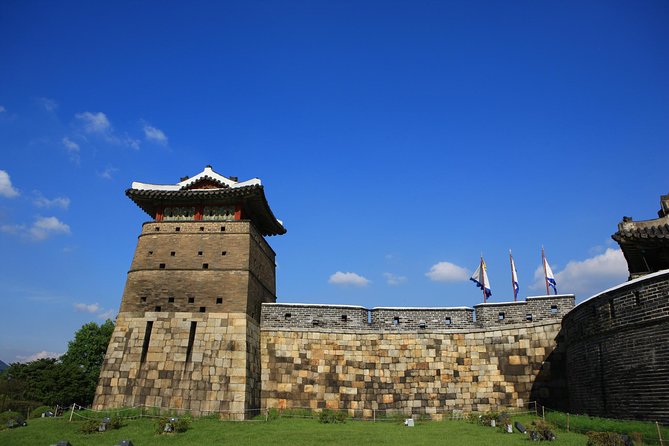
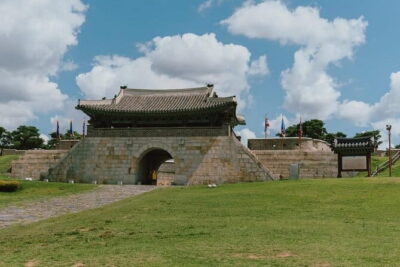
Hwaseong Fortress was built from 1794 to 1796, near the end of the Joseon period. It protected Suwon, one of four main regional government centers, but it was also tied to King Jeongjo’s filial devotion to his father and his plan for a new city with its own economic strength.
That gives the site more depth than a simple defensive wall. You’re looking at a royal project shaped by family duty, political planning, military needs, and urban development. Your guide is meant to explain these connections as you walk.
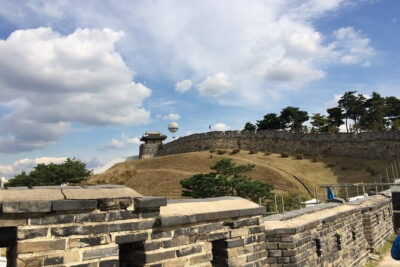
The walls stretch for about 5.7 kilometers around Paldalsan Mountain. You won’t cover every section on this tour. Instead, expect a guided look at selected walls, gates, battlements, and artillery towers. The fortress architecture is the main attraction: sturdy stonework, carefully placed defensive features, and views across Suwon that show why the location mattered.
I would pay close attention at the gates and towers rather than treating the stop as a quick photo break. The details make the fortress memorable. Ask how the walls were used, how the city was organized, and what made the late Joseon design different from an older defensive site.
The listed stop time is one hour, so this portion may feel brisk. That is enough for an introduction and several key viewpoints, but not enough for a slow walk along a large part of the 5.7-kilometer circuit. If you want a long fortress hike, independent exploration, or time to linger at every gate, a dedicated Suwon visit would suit you better.
Hwaseong is a UNESCO World Heritage site, designated in 1997. Its official status is not the sole reason to visit, but it confirms the site’s importance and gives the guide a useful framework for explaining its design and purpose.
From military walls to Joseon household life
After Hwaseong, the coach continues to Korean Folk Village. The change in subject is one of the tour’s best features. You move from royal ambition and defense to cooking, farming, handicrafts, seasonal customs, and daily routines.
The village opened in 1974 and was created from more than 260 restored traditional houses. These homes represent elements of the late Joseon era, including household goods and objects from different regions. That regional range matters because it keeps the experience from focusing only on royal buildings.
You can walk through homes, look at period furnishings, and enter workshops where craftspeople make traditional items. The listed crafts include pottery, baskets, bamboo goods, paper, brassware, fans, musical instruments, and embroidery. You may not see every craft active on every visit, but the workshops give you something concrete to watch instead of relying only on display panels.
I find this kind of stop most useful when you connect objects to ordinary life. A basket, fan, cooking item, or piece of paper tells you how people stored goods, worked, traveled, communicated, or marked special occasions. The village is designed to make those connections visible.
The setting is also family-friendly. Along with the cultural areas, the site has a theme park with 15 attractions. That may appeal to families, though it can make the place feel less like a quiet historic district. If your main goal is scholarly detail, stay focused on the houses, museum areas, and workshops rather than trying to cover every attraction.
Performances, crafts, and the problem of timing
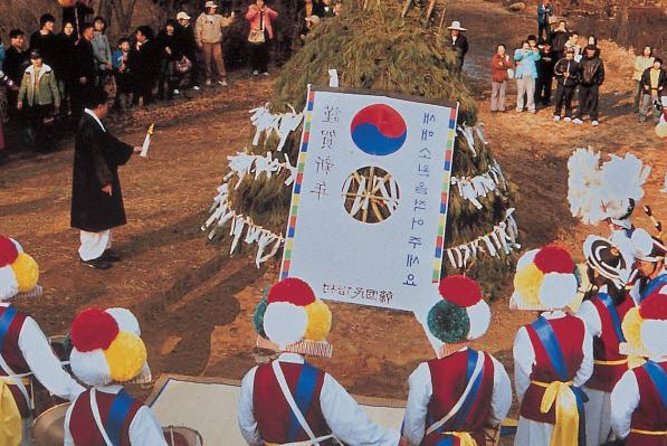
Korean Folk Village can include nongak, the energetic farmer’s music tradition, along with jultagi tightrope acrobatics. Depending on the season, you may also find martial arts on horseback, a traditional wedding ceremony, and special events such as Welcome to Joseon in May.
These shows can be the liveliest part of the afternoon. They add movement, sound, and humor to the historical setting. Check the day’s schedule as soon as you arrive, then tell your guide which performance matters most to you.
This is important because the day’s timing may not leave much room for everything. One account described a guide moving quickly and showing little interest in waiting for the performances. Another noted that shows had been canceled. Performances can be affected by the season or circumstances, so you should not book this tour solely for one scheduled act.
The guide’s priorities also matter. Some departures may emphasize a fast tour of the main buildings, while you may prefer to pause at a workshop, watch a full performance, or browse the market. Say so early. The tour is structured, but a small group may offer some flexibility.
The museum area received particular approval and is worth protecting time for. It can provide more context than a hurried walk through outdoor buildings. If weather turns bad, as happened during one outing, outdoor portions may be cut short. Bring suitable clothing and keep your expectations flexible.
More Suwon and Hwaseong Fortress trips:
- Beyond Seoul: Starfield Library, Hwaseong Fortress & Cave Quest
★ 5.0 · 177 reviews - From Seoul: Suwon Hwaseong Fortress Tour
★ 5.0 · 108 reviews - Suwon Hwaseong+Gwangmyeong Cave+Starfield Library from Seoul
★ 5.0 · 104 reviews - Suwon Hwaseong, Gwangmyeong Cave, & Starfield Library Trip
★ 4.4 · 87 reviews
Lunch at the market, with one important warning
The folk village has a traditional market street where you can find Korean food. Bibimbap, rice mixed with meat and vegetables, is described as the typical meal for this stop. Rice cakes and traditional liquor may also be available for an extra charge.
There is a conflict in the published details: the tour description says a Korean-style lunch is included, while the current inclusions section says food and drinks are not included and specifically lists lunch as excluded. I would not assume the meal is covered. Confirm before booking, or budget to pay for bibimbap and anything else you order.
That uncertainty is minor if you are prepared, but it affects the real cost. At $91 per person, the tour includes transport, admission, hotel pickup, and an English-speaking guide. Add lunch if it is not covered, and compare that total with the cost and effort of arranging Suwon transport and two admissions yourself.
The market is also a useful chance to try something beyond standard Seoul restaurant meals. Keep in mind that the stop is part of a group schedule, so this is not the place for a long, leisurely food crawl. Choose your meal, sample an extra specialty if you wish, and save enough time for the village.
Transport, group size, and the day’s practical rhythm
Pickup begins around 8:30 a.m. from your Seoul hotel. The exact pickup arrangement is not detailed here, so make sure your lodging qualifies when you reserve. The return portion ends with drop-off at Myeongdong Station, not necessarily at your hotel, according to the included services.
That final detail matters if you are staying outside central Seoul or have evening plans. Myeongdong is a useful central stop, but you should allow time for the onward journey rather than planning a tight dinner reservation or airport transfer.
The coach is one of the tour’s strongest practical points. Suwon is close enough to visit from Seoul but far enough that a guided vehicle simplifies the day. A comfortable, climate-controlled ride is especially welcome after walking around fortress walls and village paths.
Expect a moderate level of physical activity. You’ll walk outdoors at Hwaseong and on foot through the folk village. The tour does not promise a fully accessible route, and the physical fitness guidance calls for a moderate level. Wear shoes suited to walking and prepare for weather changes.
The adult price applies to nearly all participants, with children age two and younger excepted. A minimum of two people is required to book. The stated maximum is nine, which keeps the group smaller than a large sightseeing bus and may make it easier to ask questions.
Is the $91 price fair?
At $91, I see the value mainly in convenience and structure. You receive round-trip transportation from Seoul, admission to both attractions, a professional English-speaking guide, and a full day that would otherwise require separate planning.
The price is less compelling if you already know Suwon, prefer public transport, or want complete control over timing. Hwaseong can be visited independently, and Korean Folk Village can also be reached without a tour. Doing both on your own may cost less, but it requires navigating transport, tickets, opening information, meal plans, and the distance between Seoul and Suwon.
The guide is the swing factor. Strong guides such as Richard can connect King Jeongjo’s motives, fortress design, Joseon customs, and the village’s crafts into one understandable story. A weaker guide may still get you from place to place, but you could receive only basic cultural information.
I would ask about the lunch inclusion before paying and confirm what hotel pickup and final drop-off mean for your location. Those two points make the price easier to judge.
Who should book this experience?
I would recommend it to you if you want a structured introduction to Suwon and prefer a guide to explain what you’re seeing. It suits first-time visitors, families, and anyone who wants historical sites without arranging several separate journeys from Seoul.
It is especially good for people who enjoy variety. In one day, you’ll see stone fortifications, city views, traditional homes, craft production, museum objects, a Korean market, and possibly live performances.
I would hesitate if you want a slow day. The fortress stop may be brief, the village is large, and the schedule can feel rushed if you want to attend every show or browse independently. One account specifically wished for more time to shop and wander alone.
I would also be cautious if a polished historical explanation is your top priority. Requesting an English-speaking guide is part of the offer, but the quality of site commentary may differ. If Richard is available, his reported approach makes him a strong choice.
Free cancellation is available when you cancel at least 24 hours before the start time. A minimum number of bookings is required, so a cancellation by the operator could lead to another date, another experience, or a full refund.
Should you book the Hwaseong Fortress and Folk Village tour?
Book this day trip if you want the easiest route from Seoul to two major cultural sites and value having the story explained as you go. The contrast between Hwaseong’s royal fortress and the folk village’s household life gives you a broad, useful picture of Joseon Korea.
Before booking, confirm three things: the lunch charge, your pickup location, and the guide assigned to your date. If you want extended fortress walking or plenty of free time at the village, go independently instead. If you want transport, admissions, and a compact cultural overview handled for you, $91 is a reasonable trade.
FAQ
How long does the tour last?
The full experience lasts approximately eight hours, beginning around 8:30 a.m.
Where does the tour go?
It visits Hwaseong Fortress in Suwon and the Korean Folk Village.
Is Hwaseong Fortress a UNESCO World Heritage site?
Yes. Hwaseong Fortress was designated a UNESCO World Heritage site on December 12, 1997.
How far is Hwaseong Fortress from Seoul?
The fortress is about 19 miles, or 30 kilometers, from Seoul.
Is hotel pickup included?
Yes. Hotel pickup in Seoul is included, with transport by coach or van.
Where does the tour finish?
The included services specify drop-off at Myeongdong Station.
Is lunch included?
The information is inconsistent. The tour description mentions a Korean lunch, but the inclusions list says food and drinks, including lunch, are not included. Confirm this before booking.
What food is available at Korean Folk Village?
The market offers Korean dishes including bibimbap. Rice cakes and traditional liquor may also be available for an additional cost.
Are performances included at the folk village?
The village offers performances such as nongak and jultagi, with other events available by season. The schedule can vary, and performances may be canceled.
How many people can join the tour?
The maximum group size is nine people, and at least two people are required per booking.
Just added around Seoul
- Incheon Airport Private Transfer between Seoul City★ 4.0 · 4 reviews
- Samaksan Cable Car and Nami Island Day Escape with Railbike★ 4.0 · 4 reviews
- DMZ 2nd Tunnel and Cheorwon Peace Observatory with Admission★ 5.0 · 4 reviews
- Seoul’s Stars: Open Mic with Local & International Talent★ 4.8 · 4 reviews
- Nami & Maple Road & Theatre des Lumieres Day Tour from Seoul★ 4.8 · 4 reviews
- Hire Photographer, Professional Photo Shoot – Seoul★ 5.0 · 4 reviews
- [KoreaByLocal] Authentic Seoul Night Walk and Chicken & Beer★ 5.0 · 4 reviews
- Play Gayageum in Hanbok Cultural Experience in Bukchon★ 5.0 · 4 reviews
Suwon Hwaseong Fortress, compared.
Suwon Hwaseong Fortress & Korean Folk Village Tour
Read our review →
Beyond Seoul: Starfield Library, Hwaseong Fortress & Cave Quest
Read our review →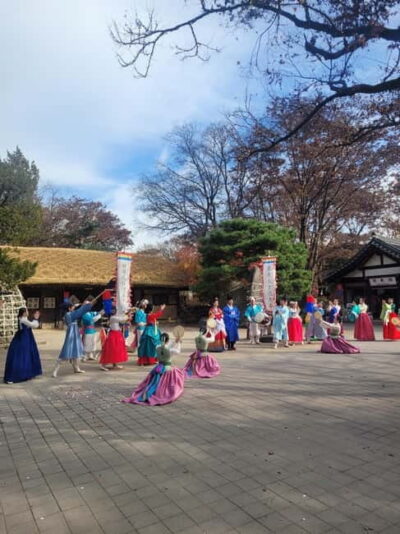
Suwon Hwaseong+Gwangmyeong Cave+Starfield Library from Seoul
Read our review →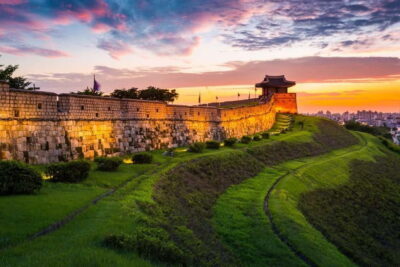
Suwon Hwaseong, Gwangmyeong Cave, & Starfield Library Trip
Read our review →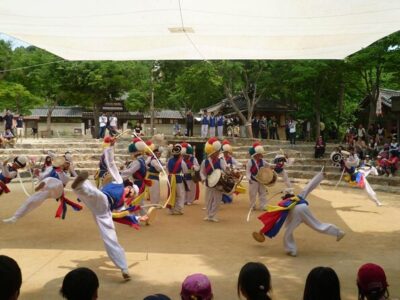
Korean Folk Village and Suwon Hwaseong Fortress Day Tour(EG Tour)
Read our review →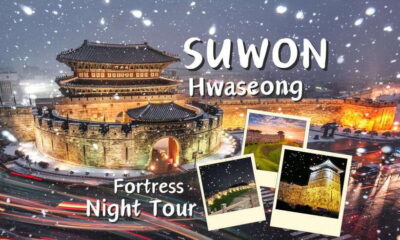
Day Tour of Suwon Hwaseong Fortress Starfield Waujeongsa Temple
Read our review →Browse the lists this tour appears in