
Reviewed · SUWON HWASEONG FORTRESS
Seoul: Suwon Hwaseong Fortress & Korean Folk Village Tour
Korea’s past feels unusually close on this day trip. At the Korean Folk Village, you walk among reconstructed Joseon-era homes, watch traditional performances, and see the setting that brings period dramas and old history books to life. Later, Suwon Hwaseong Fortress adds broad views, stone walls, gates, and military design.
I like the three-part rhythm: a cultural village, a major historic site, then a real local market. I also like the strong guiding, with people such as Joon, Laura, Jonathan, and Jamie praised for clear explanations, humor, and help with photos. The main drawback is the length of the day and the amount of walking, especially in hot or wet weather.
In This Review
- Key points at a glance
- Why this day trip works beyond Seoul
- Korean Folk Village: three hours in Joseon-era Korea
- Suwon Hwaseong Fortress: walls with a purpose
- Nammun Market: the day’s best taste of present-day Suwon
- Guides, languages, and the value of a group tour
- Timing, transport, and what the $74 covers
- Who should book this tour
- Should you book the Korean Folk Village and Suwon tour?
- FAQ
- How long does the tour last?
- What places are visited?
- Is transportation included?
- Are entrance fees included?
- What languages are available?
- Is the tour suitable for infants and stroller users?
Key points at a glance
- Joseon-era setting: Spend about three hours among traditional houses, folk customs, performances, and photo spots at the Korean Folk Village.
- UNESCO-listed fortress: Walk part of Suwon Hwaseong’s walls and learn how its late-18th-century design combined Korean traditions with outside architectural ideas.
- A genuine market stop: Use free time at Suwon Nammun Market for hotteok, street food, shopping, and a look at everyday local life.
- Guides make the difference: English, Chinese, and Korean tour staff explain the sites, answer questions, and help keep the day moving.
- Good family appeal: Children may enjoy the village’s extra amusement-park area, but the day is not suited to anyone who struggles with extended walking.
- Convenient Seoul return: Choose from central pickup and drop-off options, including Hongik University Station, Dongdaemun History & Culture Park Station, and Lotte Department Store.
Why this day trip works beyond Seoul
Seoul has enough palaces, museums, and shopping streets to fill a week. Still, the city can make Korean history feel tidy and polished. This excursion gives you a broader picture. You see how traditional buildings were arranged, how royal-era military planning worked, and how people shop and eat in Suwon today.
The tour lasts 10 to 11 hours, with round-trip coach transport and admission fees included. At $74 per person, I see it as a sensible choice if you want several major sights without arranging intercity transport, tickets, directions, and a full day of timing yourself.
The tradeoff is simple: you cover a lot of ground, but you do not set the pace. The road journey takes roughly 80 minutes on the way out, and the return trip can take more than two hours depending on traffic and the drop-off route. Seoul traffic can turn a full day into a very full day, so do not plan an important evening reservation too tightly.
More Korean Folk Village visits:
- Korean Folk Village and Suwon Hwaseong Fortress Day Tour(EG Tour)
★ 4.5 · 80 reviews - Seoul: Suwon Hwaseong, Folk Village, & Starfield Library
★ 4.8 · 55 reviews - Traditional Korean folk village Afternoon tour
★ 5.0 · 52 reviews
Korean Folk Village: three hours in Joseon-era Korea
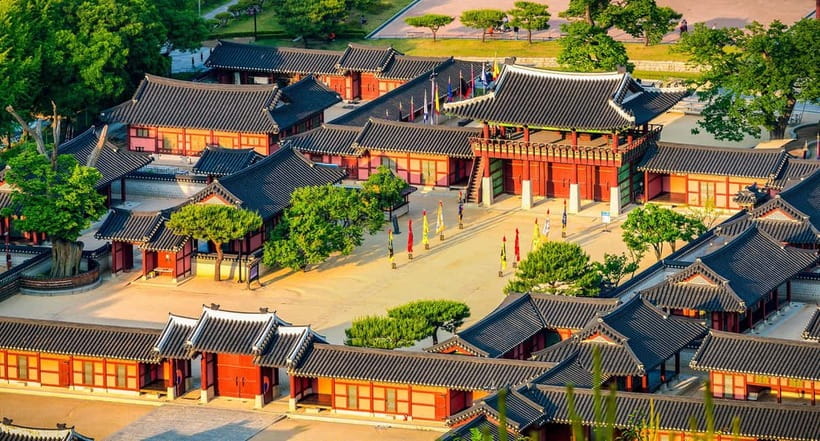
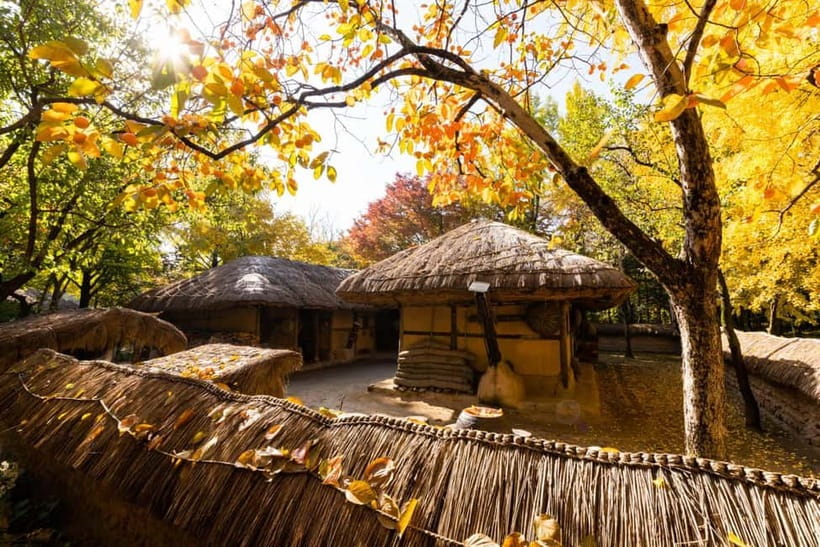
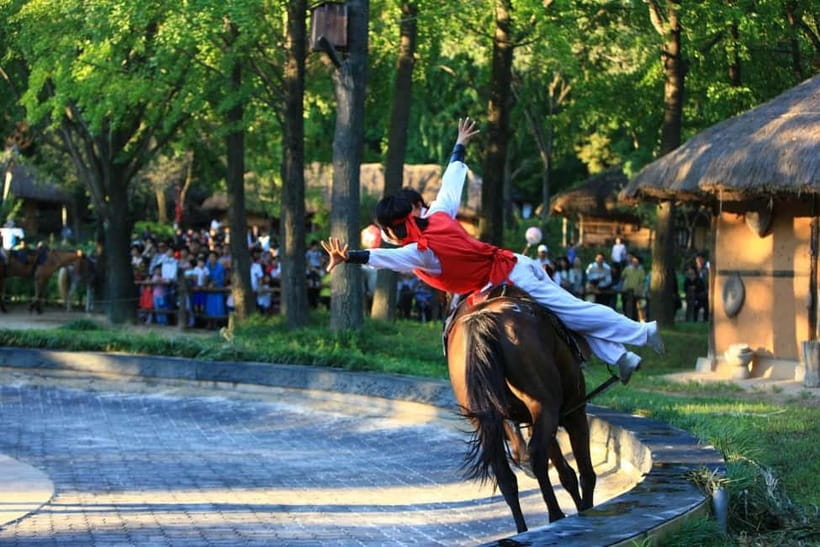
The first major stop is the Korean Folk Village, an open-air museum designed to recreate the setting of the late Joseon period. The appeal is not one single building. It is the whole arrangement of homes, paths, work areas, and public spaces.
You can walk through traditional houses and see how the village environment would have looked in an earlier Korea. For anyone who enjoys historical films or period dramas, this setting gives the stories a physical frame. Instead of viewing old objects behind glass, you move through a recreated community.
Allow yourself time to look up and around. The village offers plenty of strong photo locations, and several parts are carefully maintained. The grounds are large enough that three hours feels useful rather than rushed, although you may still wish for more time if traditional architecture is your main interest.
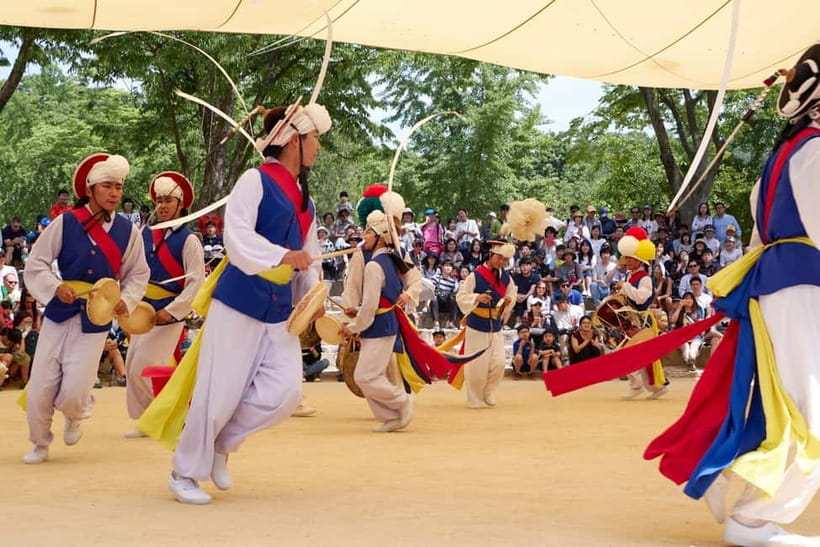
A scheduled folk performance adds movement and sound to the visit. Traditional Korean music and dance are among the most frequently praised parts of the day, and they help explain customs that can seem abstract in a book. Exact performances can depend on the day and conditions, so treat them as an important possibility within the visit rather than a guarantee of one particular show.
You also get free time to explore and eat. One practical point matters here: lunch may happen fairly early, around 11 a.m. to noon, near the end of the village visit. Bring a small snack if you tend to eat later, since the next substantial food opportunity is at Nammun Market.
Families should note one detail that is easy to miss. The folk village also has an amusement-park area, which may appeal to children who are ready for a change after traditional buildings and performances. That makes the first stop more flexible for families, though adults focused only on architecture may prefer to spend their time on the historic side.
Traditional clothing photos may also be available during the visit. The supplied tour details do not promise a costume rental as a fixed inclusion, so check the day’s arrangements if this is a priority. In any case, plan for open-air walking, sun, rain, and uneven stretches rather than an indoor museum experience.
Suwon Hwaseong Fortress: walls with a purpose

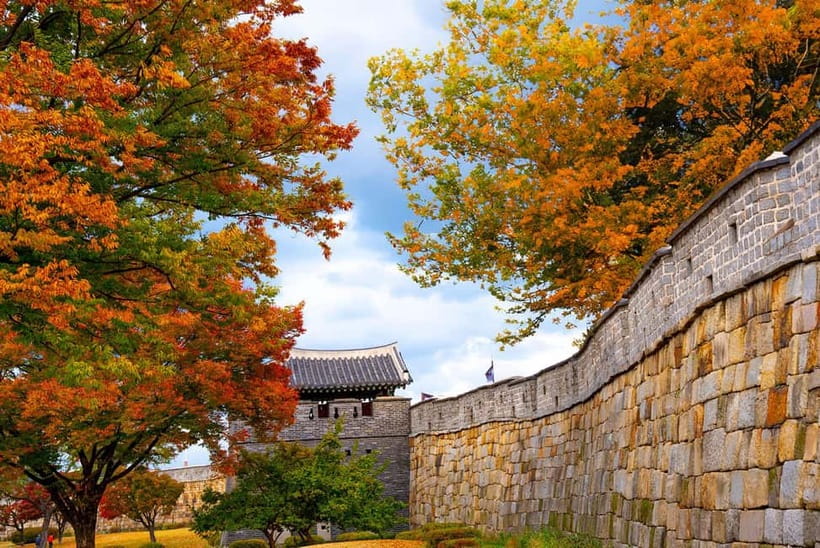
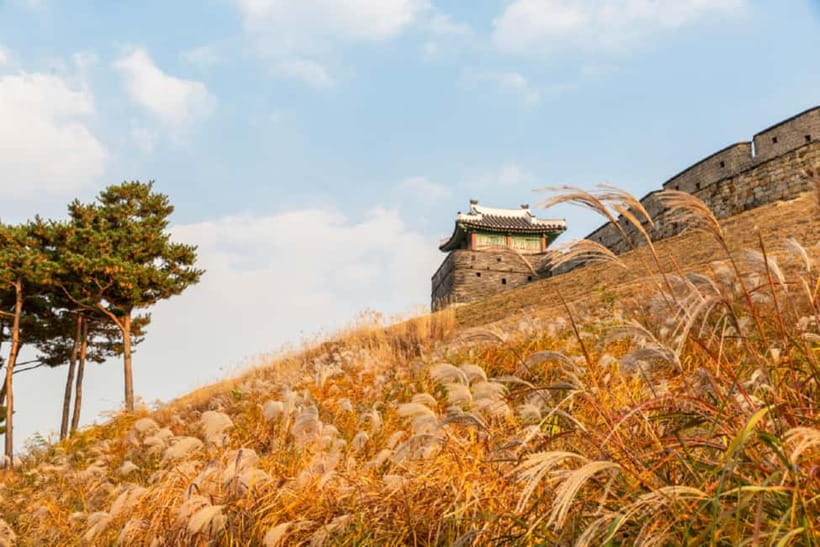
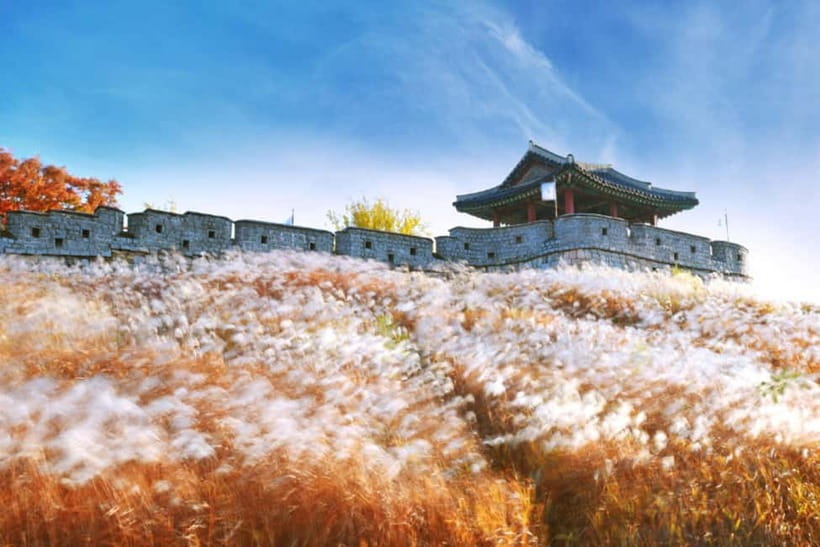
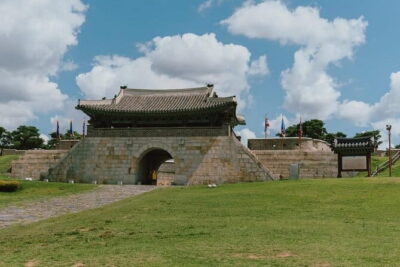
After the folk village, the coach takes you to Suwon Hwaseong Fortress. Built in the late 18th century, the fortress is a UNESCO World Heritage site and the most substantial architectural stop of the day.
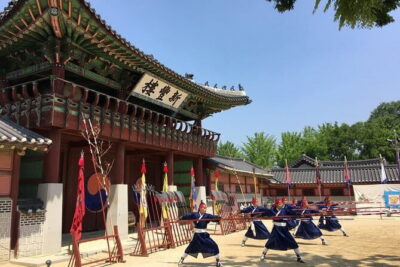
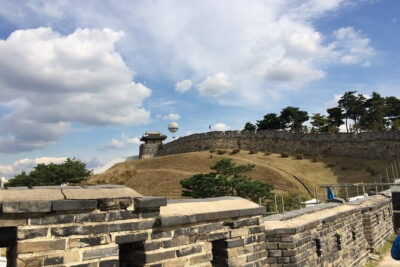
The guided visit lasts about 90 minutes. You can expect a walk along sections of the wall, views across Suwon, and explanations of the gates, towers, and defensive layout. The fortress is not just a scenic place for photographs. Its design shows careful thinking about movement, protection, visibility, and control.
One interesting feature is the mix of Eastern and Western architectural influences. Your guide can put that design into context while you look at the actual stonework and structures, which makes the engineering easier to understand than a short written description would.
The walk requires more effort than the folk village. You may be climbing or following sloped sections, and the open walls offer little relief from strong weather. A September visit was described as far more comfortable than a very hot day, while other guests completed the route in temperatures close to 40 degrees Celsius. Another group still enjoyed the stop in heavy rain, but poor weather plainly changes the experience.
Wear comfortable walking shoes and carry water. In summer, bring sun protection. In wet weather, shoes with a secure grip will help. The tour is not a good match for people with walking disabilities or for grandparents who need a low-effort schedule, particularly when temperatures rise.
The reward is the sense of scale. After seeing how people lived in a traditional village, you see how a major city was protected and organized. The contrast gives the day more substance than a simple countryside sightseeing trip.
Nammun Market: the day’s best taste of present-day Suwon
The final stop is Suwon Nammun Market, where you get about an hour of free time. This is a welcome shift after two structured historic sites. You can browse, choose snacks, take photographs, or simply watch daily commerce unfold.
The market is especially useful for readers who want a taste of ordinary Korean life rather than another attraction built for sightseeing. It is a place to see local shopping habits and sample food at your own pace. Hotteok, a sweet filled Korean pancake, is one specific snack that has been enjoyed here, along with other street foods.
Do not expect a long sit-down meal within the hour. The point is to browse and eat casually, so keep your choices manageable and leave enough time to meet the group. This is also the easiest part of the tour to personalize. You can focus on food, small gifts, or the atmosphere of the market without following a fixed explanation at every step.
I like ending here because it prevents the excursion from feeling like a museum circuit. You finish with modern Suwon, local flavors, and a little freedom before the coach ride back to Seoul.
More Suwon and Hwaseong Fortress trips:
- Beyond Seoul: Starfield Library, Hwaseong Fortress & Cave Quest
★ 5.0 · 177 reviews - From Seoul: Suwon Hwaseong Fortress Tour
★ 5.0 · 108 reviews - Suwon Hwaseong+Gwangmyeong Cave+Starfield Library from Seoul
★ 5.0 · 104 reviews - Suwon Hwaseong, Gwangmyeong Cave, & Starfield Library Trip
★ 4.4 · 87 reviews
Guides, languages, and the value of a group tour
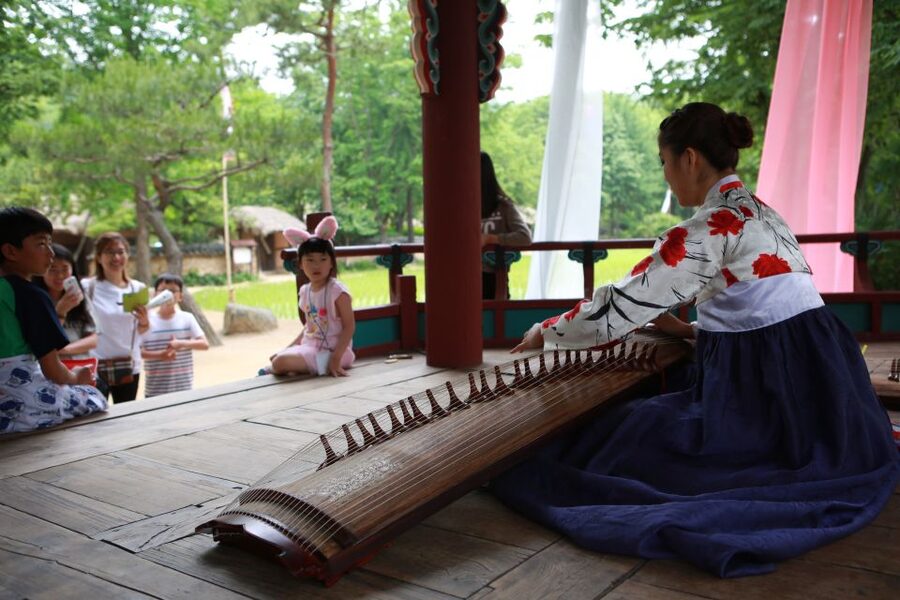
The tour provides live guiding in English, Chinese, and Korean. The strongest part of the experience appears to be the human guidance. Guides named Joon, Laura, Jonathan, Jamie, Sunny, Gina, Julia, Sally, Cecilia, and others have been praised for clear storytelling, humor, patience, and help with questions.
That matters at these sites. The Korean Folk Village can otherwise feel like a pleasant walk through old-looking buildings without much connection between them. At the fortress, a guide helps you notice why the walls, gates, and towers were placed where they are.
Joon is repeatedly described as friendly and easy to understand, while Laura is praised for combining detail with humor and allowing enough personal time. Jonathan is also noted for patient explanations and a fun approach. You should not assume a particular guide when booking, but the pattern suggests that the operator places real importance on guiding rather than simply transporting you between entrances.
Some tours use a listening device. One practical suggestion is to ask if it can connect by Bluetooth if you prefer your own AirPods or Samsung earbuds. Another useful note: coaches have been described as clean and comfortable, but one recent experience reported no USB charging ports. Bring a power bank, especially if you plan to take lots of photos.
The format also gives you a useful balance of instruction and free time. Your guide gathers the group, explains the main points, and then lets you explore at the folk village and market. That is better than being escorted every minute, but it does require attention to meeting times.
Timing, transport, and what the $74 covers
The $74 price includes round-trip transportation, entrance fees, and English or Chinese speaking tour staff. Korean is also listed as an available guiding language. Meals, insurance, and personal spending are separate.
For a full day, the value is strongest if you want efficient coverage. You would otherwise need to arrange transport to the Korean Folk Village, continue to Suwon, pay separate entrance costs, plan your route around a fortress visit, and find the market. The tour removes that planning work and gives you a clear structure.
The value is less obvious if you dislike fixed schedules or want to study one site in detail. Three hours at the folk village is generous for a general visit, but architecture enthusiasts may want longer. The 90-minute fortress stop gives you a useful introduction rather than a complete exploration of every wall and structure. The one-hour market stop is enough for snacks and a quick look, not a leisurely food tour.
Pickup and drop-off points depend on the option you choose. Central Seoul locations include Hongik University Station Exit 4, Dongdaemun History & Culture Park Station Exit 10, and Lotte Department Store Main Store. Check the exact meeting point on your booking, then arrive early. With several central return points, the coach may not take the most direct route back to your hotel.
Free cancellation up to 24 hours before departure and the option to reserve now and pay later add useful flexibility. The route can change with traffic and weather, so keep your plans for the evening loose.
Who should book this tour
I would choose this day trip if you are visiting Seoul for the first time and want one organized day that combines architecture, customs, food, and local life. It is also a good fit for families whose children enjoy a mix of performances, outdoor space, photographs, and the amusement area at the folk village.
History fans will get the most from the guides. The sites are easier to appreciate when someone explains how the Joseon-era village and Suwon’s defenses fit into Korean society. The market then gives you a change of pace and a chance to taste something without a formal meal plan.
I would hesitate if you have limited stamina, dislike long coach rides, or want a relaxed day with few scheduled stops. The walking is real, and hot weather can make the fortress especially demanding. Anyone bringing a stroller should notify the operator at least 48 hours ahead, and anyone traveling with an infant should know that children aged 0 to 2 are free only when they do not occupy a seat.
The tour can work in poor weather, but your enjoyment will depend on preparation. Take comfortable shoes, water, a light rain layer when needed, and a power bank. A hat and sun protection are sensible in summer.
Should you book the Korean Folk Village and Suwon tour?
Book it if you want a well-organized day outside Seoul with strong historical explanation, included admission, and several different kinds of stops. The combination is the real strength: the folk village shows daily customs, the fortress explains military planning, and Nammun Market brings you back to present-day Korea.
Skip it if you need a slow pace or cannot manage extended walking. Also think twice if traffic-heavy coach rides frustrate you. For most visitors who want a practical introduction to Korea beyond central Seoul, the $74 cost is fair, and guides such as Joon, Laura, and Jonathan add the context that turns a pleasant outing into a useful one.
FAQ
How long does the tour last?
The experience lasts 10 to 11 hours, including transportation between Seoul, the Korean Folk Village, Suwon, and the return drop-off points.
What places are visited?
The tour visits the Korean Folk Village, Suwon Hwaseong Fortress, and Suwon Nammun Market.
Is transportation included?
Yes. Round-trip transportation by bus or coach is included.
Are entrance fees included?
Yes. Entrance fees for the included attractions are covered. Meals, insurance, and personal expenses are not included.
What languages are available?
Live tour guiding is available in English, Chinese, and Korean.
Is the tour suitable for infants and stroller users?
Infants aged 0 to 2 can join free when they do not occupy a seat. If you bring a stroller, you must inform the tour operator 48 hours in advance. The tour includes a substantial amount of walking, especially at the fortress.
Just added around Seoul
- Incheon Airport Private Transfer between Seoul City★ 4.0 · 4 reviews
- Seoul’s Stars: Open Mic with Local & International Talent★ 4.8 · 4 reviews
- Samaksan Cable Car and Nami Island Day Escape with Railbike★ 4.0 · 4 reviews
- DMZ 2nd Tunnel and Cheorwon Peace Observatory with Admission★ 5.0 · 4 reviews
- Nami & Maple Road & Theatre des Lumieres Day Tour from Seoul★ 4.8 · 4 reviews
- Hire Photographer, Professional Photo Shoot – Seoul★ 5.0 · 4 reviews
- [KoreaByLocal] Authentic Seoul Night Walk and Chicken & Beer★ 5.0 · 4 reviews
- Play Gayageum in Hanbok Cultural Experience in Bukchon★ 5.0 · 4 reviews
Suwon Hwaseong Fortress, compared.
Beyond Seoul: Starfield Library, Hwaseong Fortress & Cave Quest
Read our review →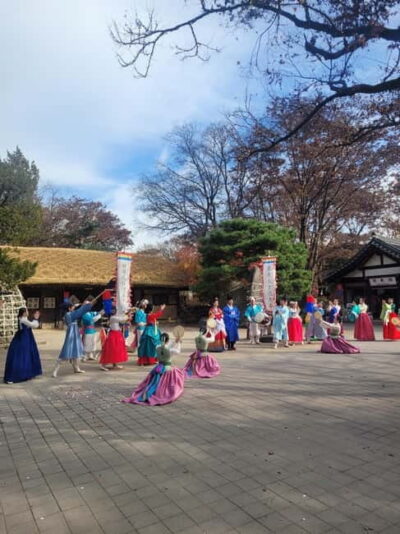
Suwon Hwaseong+Gwangmyeong Cave+Starfield Library from Seoul
Read our review →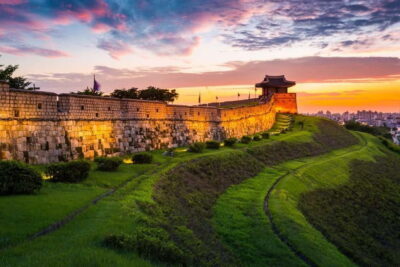
Suwon Hwaseong, Gwangmyeong Cave, & Starfield Library Trip
Read our review →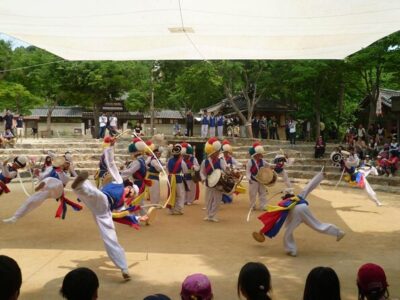
Korean Folk Village and Suwon Hwaseong Fortress Day Tour(EG Tour)
Read our review →
Day Tour of Suwon Hwaseong Fortress Starfield Waujeongsa Temple
Read our review →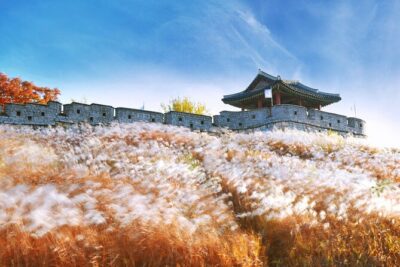
Day Trip to UNESCO: Suwon Fortress Adventure from Seoul
Read our review →Browse the lists this tour appears in