
Reviewed · KOREAN FOLK VILLAGE
Hwadam Botanic Garden and Namhansanseong and Folk Village Trip
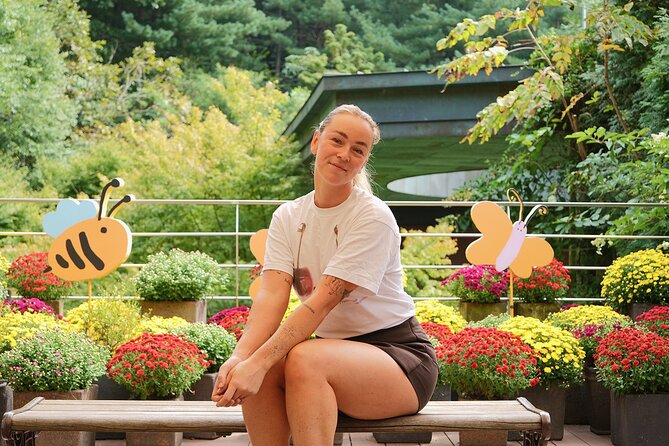
Hwadam Forest gives this day trip its best opening: two quiet hours among more than 4,000 plant species, with a clear focus on restoring Korea’s natural ecosystems. I like the calm pace here, and I like that the tour then shifts from plants to the stone walls and mountain views of Namhansanseong, a UNESCO World Heritage site.
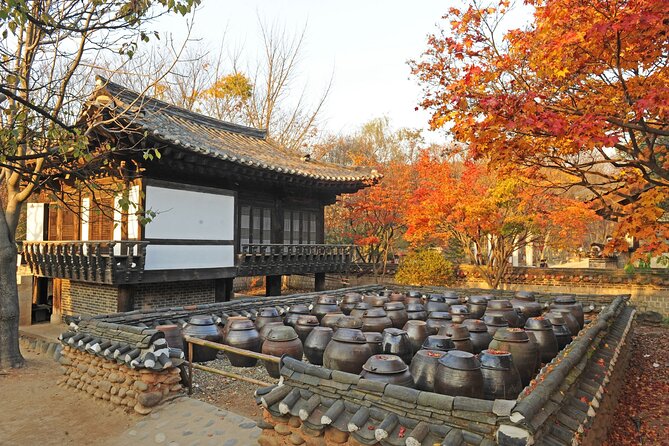
The Korean Folk Village adds a third angle, with traditional homes, farming culture, crafts, dances, and live displays. Guides including Yoon, Joon, and Mac have received especially strong praise for making the day run smoothly and explaining what you are seeing. The main drawback is the schedule: three major stops in about 10 hours can feel full, and lunch is your responsibility.
In This Review
- Key points to know before booking
- Why Hwadam Forest deserves the first two hours
- Namhansanseong connects scenery with Korea’s past
- Korean Folk Village makes tradition visible
- What the guides add to a busy day
- Seoul pickup points and the long return
- Is $87.60 a fair price?
- Who will enjoy this day most
- A practical verdict for your Seoul plans
- FAQ
- How much does the Hwadam Forest, Namhansanseong, and Folk Village trip cost?
- How long does the experience last?
- Where can I join the tour in Seoul?
- What is included in the price?
- Is lunch included?
- Where does the tour finish?
- Can I cancel for a full refund?
Key points to know before booking
- Hwadam Forest is the star stop: You get about two hours in a botanical garden built around plant conservation and peaceful walking.
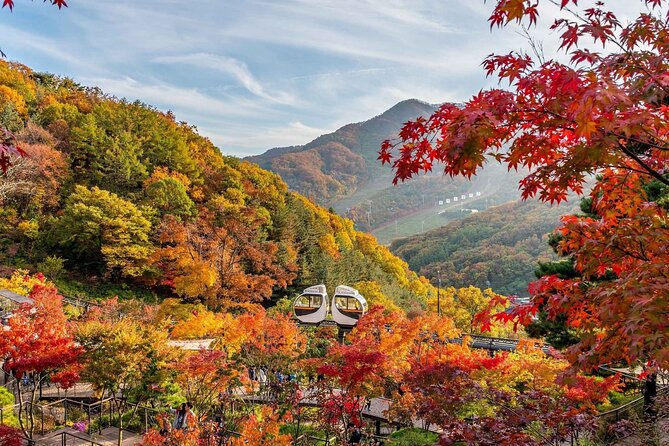
- Namhansanseong brings Korean history into the day: The temporary palace and fortress setting show why this site matters beyond its scenic views.
- Korean Folk Village is compact but active: Your 90 minutes covers traditional homes, agricultural life, crafts, dances, and other cultural displays.
- Round-trip transport simplifies a spread-out day: Pickups are offered at Hongik University, Myeongdong, and Dongdaemun History & Culture Park.
- The price includes the important basics: At $87.60 per person, transportation, attraction admission, and a professional guide are covered, but lunch and personal spending are not.
- Expect a large group: The maximum is 42 people, so this suits you if convenience matters more than a small-group feel.
Why Hwadam Forest deserves the first two hours
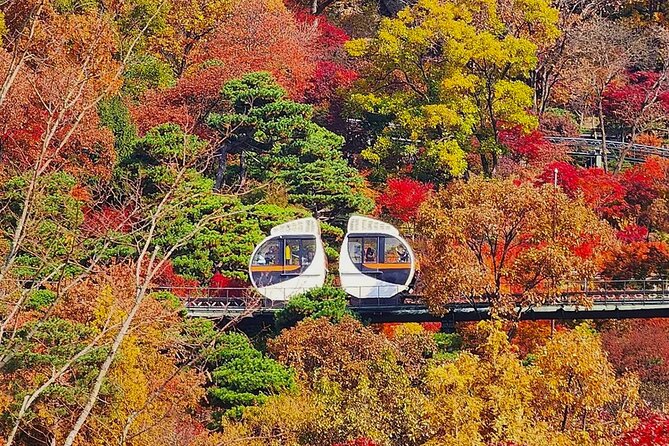
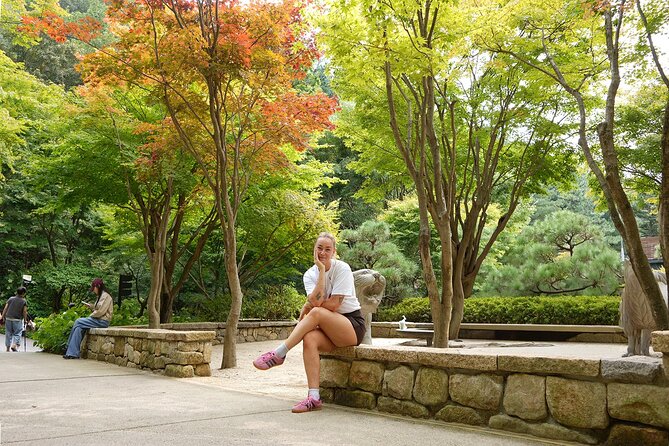
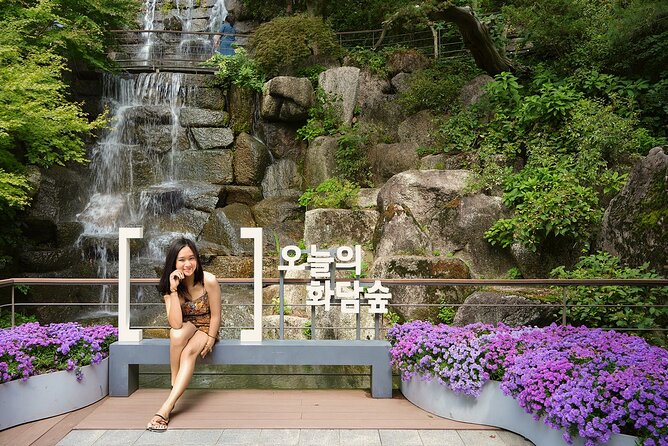
Hwadam means to have a peaceful conversation, and the name fits the purpose of this stop. Hwadam Forest is not simply a garden arranged for photographs. Its stated aim is to restore ecosystems, protect endangered plants, and bring together more than 4,000 plant species.
That gives the visit a useful sense of purpose. You are not only walking through attractive greenery. You are seeing a place designed around plant conservation and a slower connection with nature. For a Seoul trip filled with palaces, markets, and city streets, the change of pace can be welcome.
You have about two hours here, which is enough time to enjoy the setting without making the entire day about botany. I would use this portion for a steady walk, photographs, and a chance to reset before the historical stops. The garden’s appeal is quiet rather than theatrical, so it suits you best if you enjoy paths, trees, and carefully maintained plant collections.
The supplied information does not specify the exact route, walking distance, or number of hills. Keep that in mind when planning your footwear and energy for the day. You should also avoid assuming that two hours means every part of the garden can be seen. Hwadam Forest is the kind of stop where a calm visit is more rewarding than trying to rush through every section.
The botanical garden has drawn the strongest praise connected with this experience. One account calls it a must-see, while another describes it as a beautiful oasis outside the main Seoul area. Those reactions point to the garden’s key value: it feels different from the usual urban sightseeing circuit.
More Korean Folk Village visits:
- Seoul: Suwon Hwaseong Fortress & Korean Folk Village Tour
★ 4.7 · 214 reviews - Korean Folk Village and Suwon Hwaseong Fortress Day Tour(EG Tour)
★ 4.5 · 80 reviews - Seoul: Suwon Hwaseong, Folk Village, & Starfield Library
★ 4.8 · 55 reviews
Namhansanseong connects scenery with Korea’s past
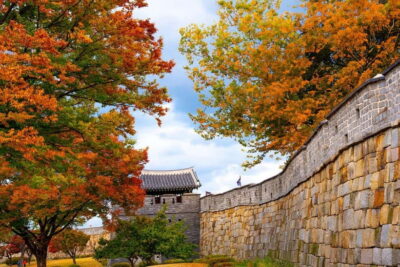
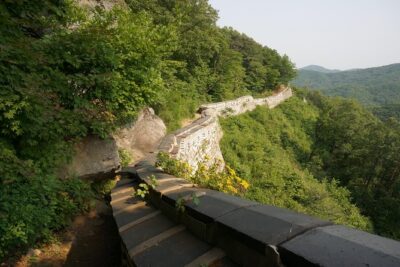
The second major stop is Namhansanseong Fortress Temporary Palace. Namhansanseong became a UNESCO World Heritage site in 2014, recognized for its importance to Korean history, culture, and architectural technology.
The temporary palace gives the visit a concrete focus. Rather than viewing only a wall or a distant mountain, you have a site tied to the way the fortress functioned. The larger Namhansanseong setting also brings views that make the defensive position easier to understand. The scenery is not an extra decoration here. It helps explain why this location mattered.
You are scheduled to spend about two hours at this stop. That is a generous portion of the day, especially after Hwadam Forest. It allows time to look around the temporary palace and absorb the fortress setting without treating the visit as a quick photo stop.
Admission to this portion is listed as free within the itinerary, while the tour price covers the attraction admissions overall. Your guide can help place the buildings and walls in context, which is useful if Korean fortress architecture is unfamiliar to you.
The main limitation is that the supplied details do not spell out the exact walking route or how much time is spent inside versus outside. If you prefer a tightly scripted historical tour with every room and structure identified in advance, you may want to ask the operator for more detail before booking. If you like combining a historic site with open views, the two-hour stop should feel worthwhile.
This is also where the guide matters most. A fortress can be reduced to stones and photographs without explanation. Guides such as Yoon, Joon, and Mac have been singled out for helping make the day engaging, so listen for the historical links between the palace, the fortress walls, and Korea’s architectural traditions.
Korean Folk Village makes tradition visible
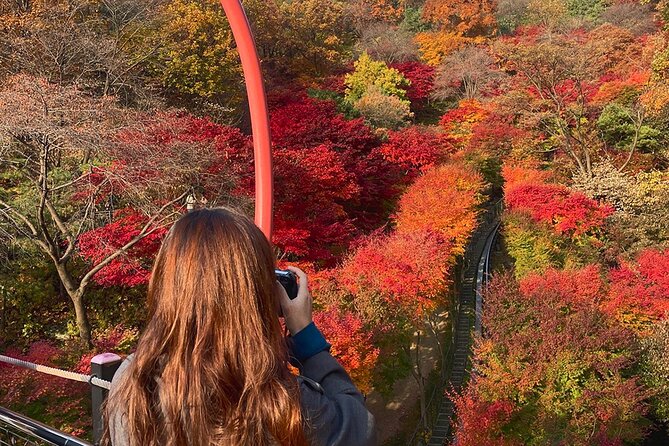
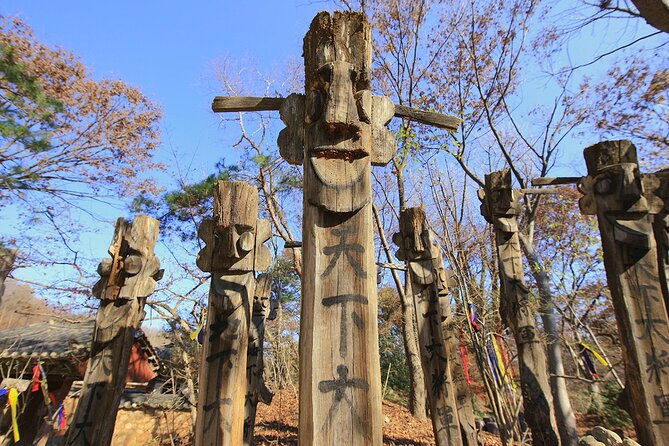
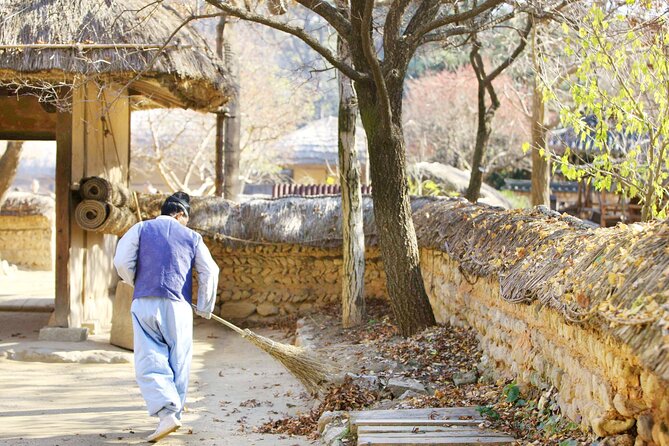
The final attraction is the Korean Folk Village, where you can see traditional houses, agricultural culture, crafts, traditional dances, and live performances. The setting is built to show how Korean customs and daily life were expressed through buildings, work, and public activities.
You have approximately 90 minutes here. That is enough for a useful introduction, but it is not enough to see every part at a relaxed pace if the village is active or spread out. I would arrive with a simple plan: follow the guide’s orientation first, then choose the buildings or performances that interest you most.
This stop works well after Namhansanseong because it changes the focus from royal and military history to ordinary cultural life. Traditional homes and farming displays give you a different way to understand Korea’s past. Crafts and dances add movement to what could otherwise become a series of static buildings.
The shorter time also creates the clearest tradeoff of the day. You gain variety, but you give up depth. If the folk village is your main reason for booking, 90 minutes may leave you wanting more. If you want a broad day that combines nature, a UNESCO site, and traditional culture, the timing is sensible.
The folk village has been described as a lovely part of the outing, especially because it takes you through traditional settings rather than showing only isolated objects in a museum. You should think of it as a lively cultural introduction, not a full-day study of Korean folk customs.
What the guides add to a busy day
A 10-hour trip with three attractions depends heavily on clear timing. You meet the group in Seoul, travel to Hwadam Forest, continue to Namhansanseong, visit the folk village, and return to the city. A professional guide is included, and the names Yoon, Joon, and Mac are associated with particularly strong praise for the experience.
That matters because the tour has several moving parts. You need to know when to leave each attraction, where to regroup, and how each stop fits the larger story. A guide can also prevent the day from feeling like three unrelated excursions.
The group may include up to 42 people. That is a substantial coach group, not a private outing. The upside is a lower price than arranging separate transport and admissions yourself. The downside is that gathering everyone can take time, and personal questions may receive less attention than they would on a small-group tour.
I would book this knowing that the guide’s role is practical as well as interpretive. You are paying for someone to connect the sites and keep the schedule moving. If you prefer wandering alone, setting your own departure times, or stopping for long meals, an independent visit may suit you better.
A completely different kind of day, same trip:
- Best DMZ Tour Korea from Seoul (Red Suspension Bridge Optional)
★ 5.0 · 41,422 reviews - DMZ Tour: 3rd Tunnel, Option(Suspension Bridge, Boat) from Seoul
★ 5.0 · 21,373 reviews - DMZ tour south Korea from Seoul (NK experience hall, defector)
★ 5.0 · 20,599 reviews - DMZ Insider Tour: 3rd Tunnel, NK Defector Meet & Red Bridge
★ 4.9 · 15,214 reviews
Seoul pickup points and the long return
Pickup is arranged at three central Seoul locations:
- Hongik University Station Exit 4 at 7:00 a.m.
- Myeongdong Station Exit 3 at 7:30 a.m.
- Dongdaemun History & Culture Park Station Exit 10 at 7:40 a.m.
The stated start time is 7:40 a.m., so you should use the pickup location and time assigned to you rather than relying only on the general start-time label. The activity ends back at the meeting area, with drop-off at Dongdaemun History & Culture Park Station, Myeongdong Station, and Hongik University Station.
Round-trip transportation is one of the strongest practical reasons to choose this tour. Hwadam Forest, Namhansanseong, and the Korean Folk Village are outside the central Seoul sightseeing loop. Reaching all three by public transport on the same day would require careful transfers and firm control of the clock.
The transportation also explains why this is a full-day commitment. The schedule allows roughly 10 hours, and the itinerary includes about two hours of travel at the beginning and another two hours for the return portion. You should not plan a fixed evening reservation immediately after the tour.
Because the day begins early and includes several stops, I would keep your morning routine simple. Have your meeting point confirmed, arrive with time to spare, and avoid carrying anything you do not need. The tour is near public transportation, which helps if you are staying somewhere along the Seoul subway network.
Is $87.60 a fair price?
At $87.60 per person, the value depends on what you compare it with. The fee includes round-trip transportation, admission to the attractions, and a professional guide. Lunch is not included, and personal expenses are extra.
For a visitor without a car, the price buys convenience as much as sightseeing. You avoid arranging transport between three out-of-town locations, and you have one booking covering the major admissions. The guide also gives the stops a shared structure rather than leaving you to research each place on your own.
The value is strongest if you want all three attractions in one day. Booking separate transport could be awkward, particularly if you want enough time at Hwadam Forest and Namhansanseong. The value is weaker if you only care about one stop, since the fixed schedule requires you to spend time at all three.
The maximum group size of 42 is important in judging the price. You are not paying for a private guide or a small personal group. You are paying for an organized coach-style day with a guide, fixed departure points, and included tickets.
You should budget separately for lunch. No meal is provided, and the schedule does not specify a restaurant or meal break. Since you will be away from central Seoul for most of the day, ask the operator how and when lunch is handled if that detail matters to you.
Who will enjoy this day most
I would recommend this experience to you if you want a broad introduction to Korea beyond central Seoul. It gives you three distinct subjects in one outing: ecological restoration at Hwadam Forest, fortress history at Namhansanseong, and traditional culture at the folk village.
It is also a good match for first-time visitors who do not want to manage regional transport. The early start and long duration are easier to accept when the alternative is building a complicated independent itinerary.
Families and mixed-interest groups may appreciate the variety. One person can enjoy plants, another can focus on architecture, and another can look forward to dances and crafts. Most people can participate, according to the activity information, but the exact physical demands of the walking routes are not provided.
You may want to skip it if you prefer slow, single-site days. Hwadam Forest alone could reward more time, and the folk village’s 90 minutes may feel brief if traditional architecture is your main interest. You should also think twice if you dislike early departures or large groups.
A practical verdict for your Seoul plans
Book this tour if you want an efficient day outside Seoul and value included transport, admission, and a guide more than free time. Hwadam Forest is the strongest reason to go, while Namhansanseong and the folk village make the day more varied and give you a broader picture of Korea.
I would be more cautious if your schedule is tight or if you need a guaranteed late-afternoon return time. The trip lasts about 10 hours, and the fixed group format leaves little room to linger.
The cancellation terms are fair but strict near departure. You can cancel at least 24 hours before the start for a full refund. Changes or cancellations inside that window are not accepted or refunded. The tour also requires a minimum number of participants, so a cancellation by the operator would lead to an alternative date or experience, or a full refund.
FAQ
How much does the Hwadam Forest, Namhansanseong, and Folk Village trip cost?
The listed price is $87.60 per person.
How long does the experience last?
The trip lasts approximately 10 hours.
Where can I join the tour in Seoul?
Pickup points are Hongik University Station Exit 4 at 7:00 a.m., Myeongdong Station Exit 3 at 7:30 a.m., and Dongdaemun History & Culture Park Station Exit 10 at 7:40 a.m.
What is included in the price?
Round-trip transportation, attraction admission, and a professional tour guide are included.
Is lunch included?
No. Lunch and other personal expenses are not included.
Where does the tour finish?
The activity ends back in Seoul, with drop-off at Dongdaemun History & Culture Park Station, Myeongdong Station, and Hongik University Station.
Can I cancel for a full refund?
Yes. You can cancel at least 24 hours before the experience start time for a full refund. Cancellations or changes made less than 24 hours before departure are not accepted or refunded.
Just added around Seoul
- Jeonju & Yeosu: 4-Day Foodie & Artist Journey★ 5.0 · 3 reviews
- Seongsu-dong Walking Tour: K-Pop, Culture, Cheer, Friends & Relax★ 4.5 · 3 reviews
- Full Day Private Seoul Tour for foodies★ 5.0 · 3 reviews
- K-Pop Tour★ 3.5 · 3 reviews
- Imjingak DMZ Private Tour for Incheon Airport and Cruise Guests★ 5.0 · 3 reviews
- Seoul: LEGOLAND Admission with Transport (Optional Railbike)★ 5.0 · 3 reviews
- Seoul: Seorak Mountain, East DMZ, and Sokcho Tour★ 5.0 · 3 reviews
- Strawberry Picking, Winter Sled with Eobi Ice Valley from Seoul★ 4.5 · 3 reviews
Korean Folk Village, compared.
Suwon Hwaseong Fortress & Korean Folk Village Tour
Read our review →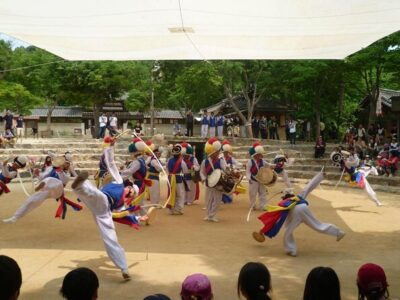
Korean Folk Village and Suwon Hwaseong Fortress Day Tour(EG Tour)
Read our review →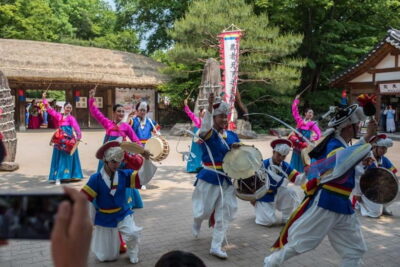
Suwon Hwaseong, Folk Village, & Starfield Library
Read our review →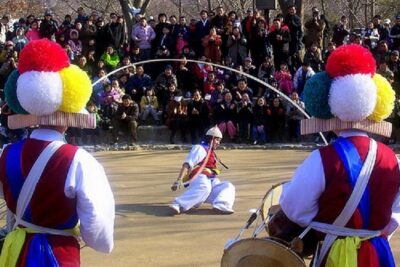
Namhansanseong UNESCO Historical Sites and Korean Folk Village-Private Tour
Read our review →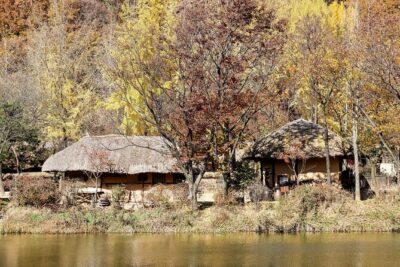
Private Day Trip to Korean Folk Village and Hwaseong Fortress
Read our review →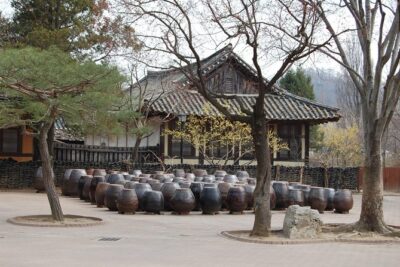
Suwon Hwaseong Fortress and Korean Folk Village Day Tour from Seoul
Read our review →Browse the lists this tour appears in