
Reviewed · DMZ & JSA TOURS
From Seoul: Cheorwon DMZ and 2nd Tunnel Tour with Lunch
The Cheorwon DMZ offers a more serious, less crowded look at the Korean border than the better-known Paju route. You see a North Korean guard post, walk into the Second Infiltration Tunnel, and look across land shaped by war, military tension, and decades of separation.
I like two things right away: the small-group format, which gives guides such as Sam, Andrew, and Mr Hong room to explain the complicated story, and the lack of shopping stops. The included bibimbap lunch and breakfast snack stop also make the $95 price feel fair. The drawback is the long drive from Seoul and the uneven, steep tunnel walk, which can be slippery in winter.
In This Review
- Key points about the Cheorwon DMZ day trip
- Why Cheorwon feels different from the usual DMZ tour
- The drive from Seoul and the morning food stop
- Seeing the DMZ near Cheorwon
- Walking into the Second Infiltration Tunnel
- Cheorwon Peace Observatory and the view north
- The Korean Workers’ Party Headquarters ruins
- Bibimbap lunch in a local restaurant
- Hantangang Y-Bridge and the change of mood
- The return journey, timing, and group size
- Is $95 a fair price?
- What to bring and who should book
- Should you book the Cheorwon DMZ tour?
- FAQ
- How long does the Cheorwon DMZ tour take?
- Is lunch included?
- Is breakfast included?
- Do I need to bring my passport?
- Can I take photographs inside the Second Infiltration Tunnel?
- Is the Hantangang Y-Bridge ticket included?
- What languages are available?
- Can the DMZ close after I book?
Key points about the Cheorwon DMZ day trip
- The Second Infiltration Tunnel: Walk through a section of a 3.5-kilometer tunnel discovered in 1975, built as a secret route toward South Korea.
- A quieter DMZ route: Cheorwon generally feels less crowded than Paju’s popular Third Tunnel circuit.
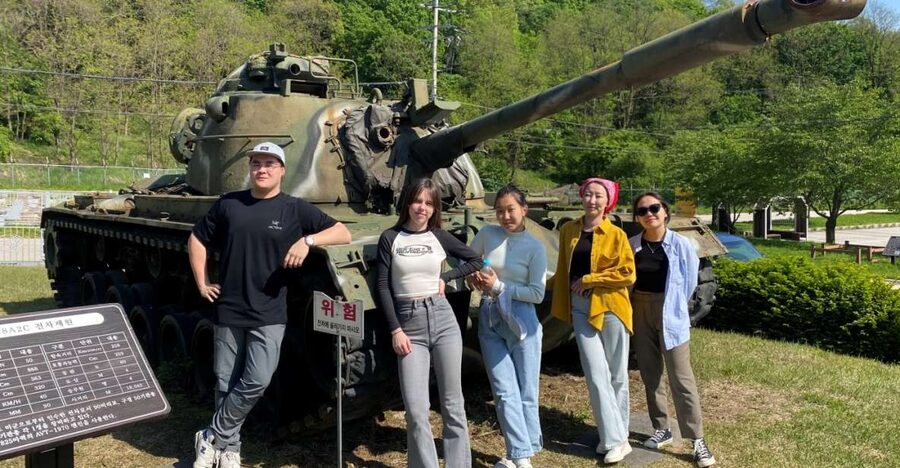
- North Korean military views: The route includes a North Korean guard post and views across the Military Demarcation Line.
- A guide-led history lesson: Guides including Sam, Andrew, Chris, and Mr Hong explain the Korean War, division, defectors, and modern border tensions.
- Fresh bibimbap lunch: A generous vegetable bibimbap set with side dishes and soup is included.
- Nature after the history: Finish near Hantangang Y-Bridge, with views of volcanic rock and the river gorge. Crossing the bridge costs extra.
Why Cheorwon feels different from the usual DMZ tour
Many Seoul DMZ excursions head north toward Paju, where the Third Infiltration Tunnel and Dora Observatory are familiar stops. Cheorwon takes you into Gangwon Province, a broader rural area of rice fields, Korean villages, military roads, and open farmland.
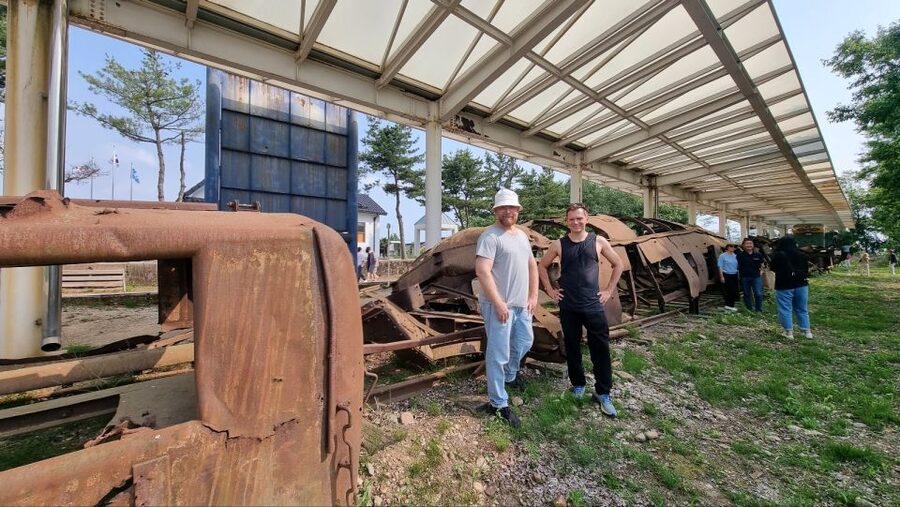
That setting matters. The DMZ is not just a line on a map or a photo stop. In Cheorwon, you get a stronger sense of how a once-populated area was broken apart by war. The remains of the Korean Workers’ Party Headquarters are a particularly direct reminder that this region was once under North Korean control.
The trip also has a more local feel. One unusual feature is the chance to see crane conservation work in the area. The DMZ has become an important refuge for wildlife because development and access have been so limited. You might see cranes or other birds on the route, but sightings are not guaranteed.
The tour deliberately skips shopping stops. That gives you more time for the difficult parts of the story, rather than padding the day with commercial visits. I value that choice, especially on a tour where the subject deserves attention and quiet.
More ways to reach the DMZ:
- Best DMZ Tour Korea from Seoul (Red Suspension Bridge Optional)
★ 5.0 · 41,422 reviews - DMZ Tour: 3rd Tunnel, Option(Suspension Bridge, Boat) from Seoul
★ 5.0 · 21,373 reviews - DMZ tour south Korea from Seoul (NK experience hall, defector)
★ 5.0 · 20,599 reviews
The drive from Seoul and the morning food stop
The first leg takes about an hour, though traffic can change the timing. Pickup arrangements depend on the option you book. Private tours can include pickup and drop-off from your Seoul hotel, while other versions use a stated meeting point.
Transport is usually a comfortable car or minivan. Small groups are a major advantage here. You are not trying to hear a guide over a full coach, and the guide can adjust explanations to the questions in front of them. A few groups have been as small as three people.
There is a roughly 20-minute stop for breakfast and local snacks. It is not a full restaurant meal, but it breaks up the early drive and gives you a taste of the kind of roadside food and snacks you might otherwise miss.
The drive is part of the experience. As Seoul gives way to open country, your guide can establish the historical setting before you reach the restricted zone. One practical point is worth making: one past guest wished the Korean War background had begun earlier during the drive. If the subject matters to you, ask questions from the start rather than waiting for the first official stop.
Seeing the DMZ near Cheorwon
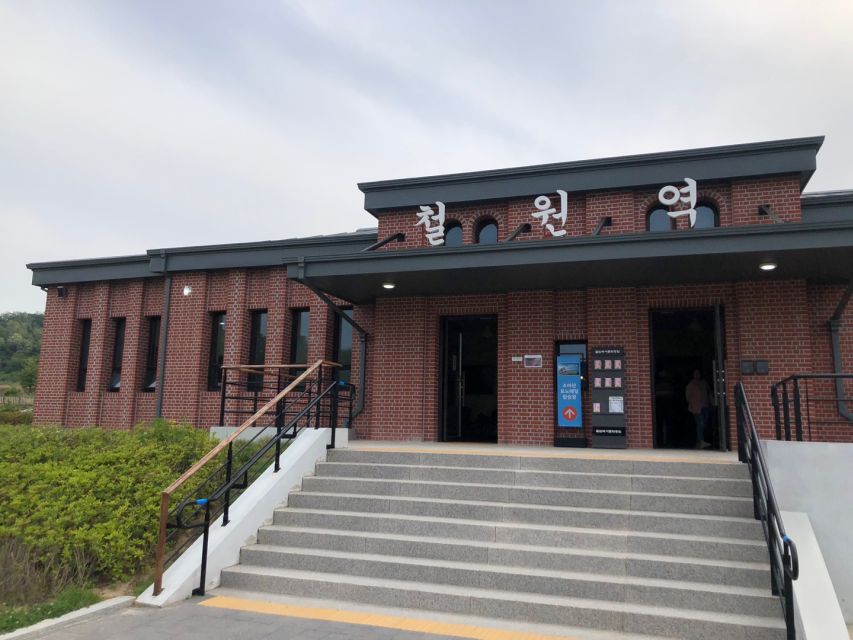
The first DMZ-area stop gives you a look at the military zone and the North Korean guard post near Cheorwon. The visit itself is listed at about 30 minutes, so expect a focused stop rather than a long walk.
This is where the border becomes tangible. You are not simply looking at a distant political symbol. You are seeing military infrastructure in a working security area, with the knowledge that access, photography, and movement are controlled.
Bring your passport. It is required for the tour.
Photography rules are strict. Photography inside the tunnel is not allowed, and border locations may also have restrictions. Follow the guide’s instructions carefully. A camera rule can feel frustrating when the view is unusual, but it is part of visiting an active military zone.
The DMZ can close suddenly because of political or military events. If that happens, the operator says it will substitute other sightseeing locations. The tour also runs in rain or snow unless conditions make the trip impossible.
Walking into the Second Infiltration Tunnel
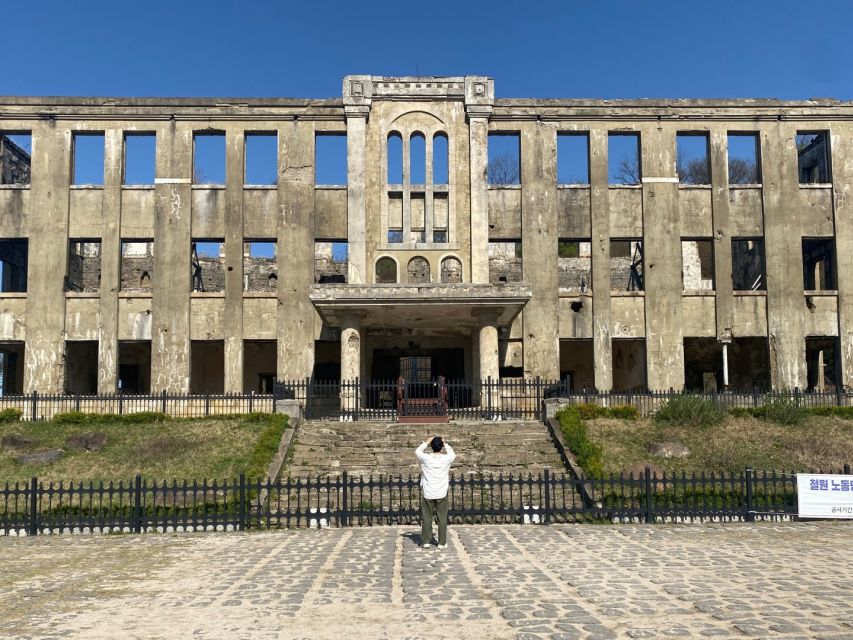
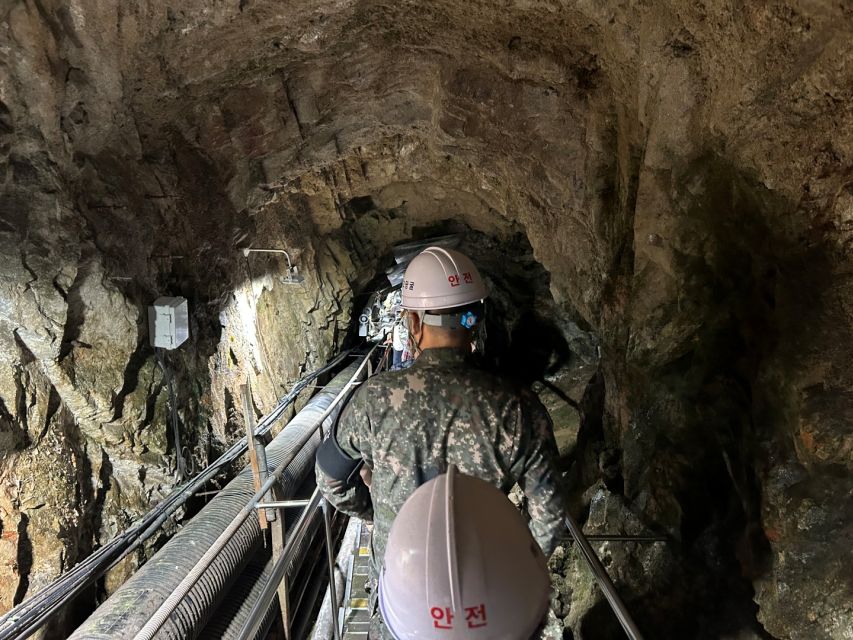
The Second Infiltration Tunnel is the main physical experience of the day. North Korea built it as a concealed invasion route, and South Korea discovered it in 1975. It is described as Korea’s widest infiltration tunnel and one of the closest to North Korea.
The tunnel is about 3.5 kilometers long, but you visit only the permitted section. The walk includes a steep descent and an equally demanding climb back out. Several people found the tunnel manageable and worthwhile, but winter ice and damp surfaces can make the steps slippery.
Wear sturdy walking shoes with good grip. Avoid smooth-soled trainers, especially if you visit in cold weather. You will also need to watch your head in places, so move at a steady pace and follow the guide rather than rushing ahead.
Inside, the tunnel feels practical rather than theatrical. Its importance comes from what it reveals about the planning behind the attempted route into the South. Guides explain how it was found and share accounts connected with the workers and soldiers involved. The confined space, low ceiling, and rough surfaces make the story easier to understand than a museum display alone.
This is not a good stop for anyone who struggles with steep steps, slippery ground, or confined spaces. The tunnel is also less suitable for visitors with significant mobility limitations. The tour information describes the activity as wheelchair accessible in one place but also lists it as unsuitable for wheelchair users, so anyone needing accessibility support should confirm the exact arrangement before booking.
A few more Seoul trips worth weighing up
- Seoul City Private Full-Day Tour Including Lunch
★ 5.0 · 469 reviews - Premium Private DMZ Tour & (Suspension Bridge or N-Tower) include lunch
★ 5.0 · 348 reviews - Private DMZ Tour with North Korean Defector + N Korean Lunch
★ 5.0 · 122 reviews - Full Day- Essential Seoul City Tour & Gourmet Tour(including Lunch and Dinner)
★ 5.0 · 73 reviews
Cheorwon Peace Observatory and the view north
After the tunnel, you go to Cheorwon Peace Observatory. The included monorail ticket saves you a separate fee and avoids turning the climb into another physical challenge.
The observatory provides a broad view toward the DMZ and North Korea. Clear weather makes a big difference. On a bright day, you can see border posts and military installations, but haze, cloud, or snow may reduce the detail.
Your guide is important here. Without context, an observatory can become a quick look through binoculars. Guides such as Sam, Andrew, Oliver, Gina, and Mr Hong have been praised for explaining the Korean War, the division of the peninsula, the lives of defectors, and the continuing tension between the two governments.
The best guides also explain personal and human details without turning the visit into a simple good-side versus bad-side story. Chris, also known as Chang Hoo, has shared personal background that helped visitors understand how complicated the conflict remains. That kind of explanation gives the place more weight than a list of dates.
Expect rules about where you can stand and what you can photograph. This is a controlled military viewing area, not an unrestricted scenic lookout.
The Korean Workers’ Party Headquarters ruins
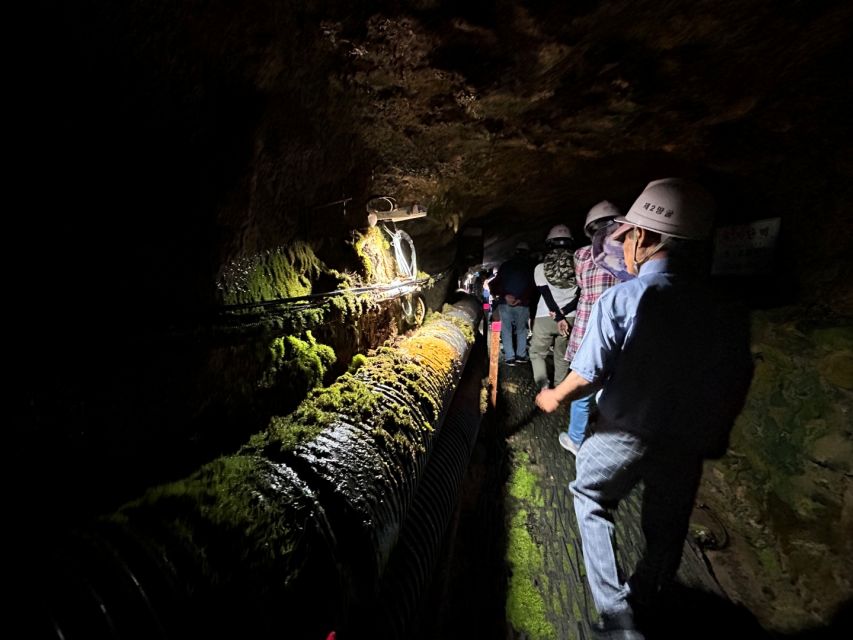
The ruins of the Korean Workers’ Party Headquarters add an important layer to the day. The building is physical evidence that Cheorwon was once governed from the North before the Korean War changed the area.
You do not need a long visit here to understand its value. Broken walls and wartime damage tell a different story from the polished displays at a museum. The stop helps explain why Cheorwon feels like a former town caught between two countries, rather than simply a border outpost.
This is one reason I would choose Cheorwon over a faster Paju visit if you want more historical context. You see several kinds of evidence: the tunnel shows military planning, the headquarters shows political control, and the observatory shows the border that remains.
Bibimbap lunch in a local restaurant
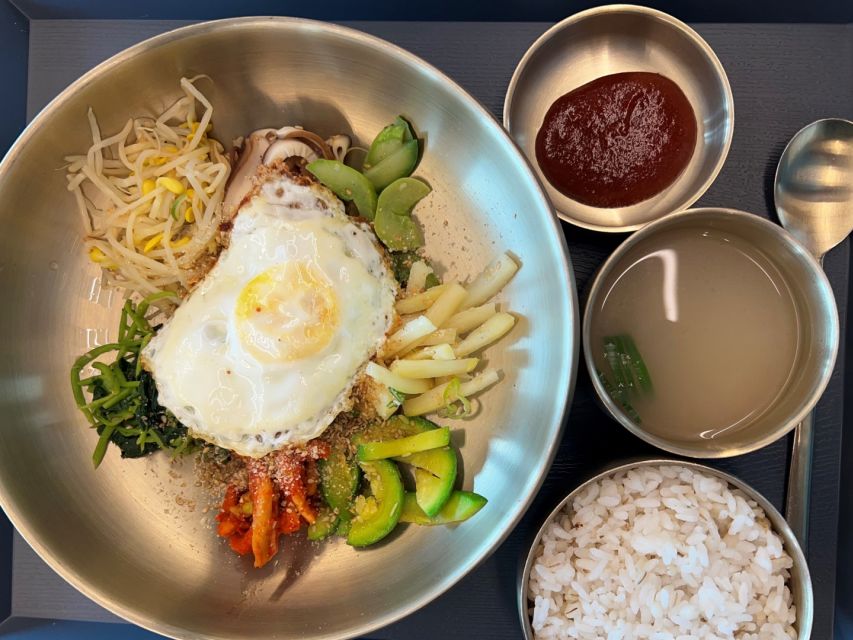
Lunch is a premium bibimbap set with fresh vegetables, side dishes, and soup. The meal is included, and the portions are described as generous.
Bibimbap is a sensible choice for this day. It is filling without being heavy, and the vegetable-based set works well for vegetarians. You can mix the rice, vegetables, and seasoning to your taste, or keep the ingredients more separate.
The restaurant stop also gives the schedule a human pause. After a morning of tunnels, guard posts, and war stories, sitting down for a proper Korean meal helps reset the mood.
Food quality can vary anywhere, but this lunch has been one of the most consistently praised parts of the experience. If you are comparing tours, an included meal of this size is a real value advantage over a trip that leaves you to find lunch near a crowded attraction.
Hantangang Y-Bridge and the change of mood
The final stop shifts from war history to scenery. At Hantangang Y-Bridge, you can photograph Korea’s longest Y-shaped suspension bridge, the river gorge, and exposed volcanic rock formations from the observation area.
The visit lasts about 20 minutes, so treat it as a scenic finale rather than a full bridge excursion. Observation deck access is free, but crossing the suspension bridge requires an additional ticket bought on site.
The bridge is a pleasant contrast after the serious DMZ stops. It also gives you a chance to stretch your legs before the drive back to Seoul. Still, I would not choose this tour mainly for the bridge. One past visitor found it nice but not essential, and that is fair. The DMZ sites are the reason to book. The bridge is a bonus.
The return journey, timing, and group size
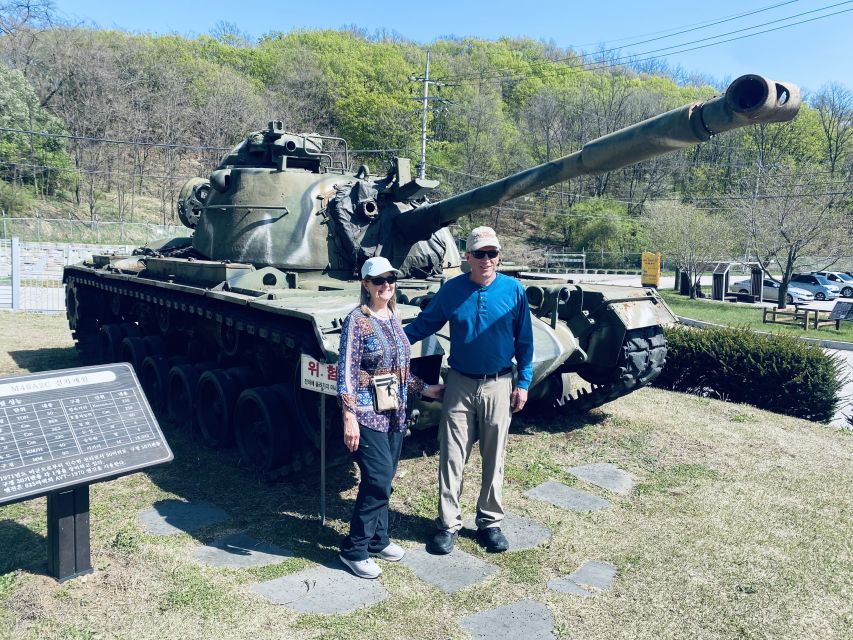
The drive back takes about 1.5 hours in normal conditions, followed by drop-off in Seoul, including Myeong-dong for the listed route. The full day is scheduled for about eight hours, but traffic and military access can affect the finish time.
Do not plan a tightly timed evening reservation immediately afterward. Seoul traffic can be unpredictable, and the DMZ may operate on a strict schedule that is outside your guide’s control.
The tour is available as a private or small-group experience. Private pickup is available from hotels in Seoul, while shared tours may use a set meeting point. Transport has generally been considered comfortable, although one past trip had a minivan breakdown early in the morning and had to be moved to another day.
That incident is worth noting, not because it defines the tour, but because road-based day trips always carry some practical risk. The operator offered a refund or rebooking, and the replacement arrangement went ahead successfully.
Is $95 a fair price?
At $95 per person, the price is reasonable for an eight-hour trip from Seoul. You are paying for round-trip transport, a licensed guide, all entry fees, the Peace Observatory monorail, breakfast snacks, and lunch.
The strongest value comes from the combination of distance and access. Reaching Cheorwon independently would take more planning, and the military-zone rules are easier to manage with a guide who knows the sequence. The included bibimbap meal also keeps the day from accumulating extra costs.
A private tour may cost more depending on the selected option, but it gives you hotel pickup and more control over the pace. A small shared group is likely the better deal if you want an informative experience without paying for a completely private vehicle.
The price is less attractive if you mainly want a quick border photograph. This is a full-day history trip with a long drive and a physically demanding tunnel visit. You get value from the detail, not from the number of minutes spent looking at each attraction.
What to bring and who should book
Bring your passport, comfortable walking shoes, and a light extra layer. The tunnel can feel cool, while the outdoor observatory and bridge area can be exposed to wind and changing weather.
I would recommend this tour to:
- First-time DMZ visitors who want more than a quick lookout
- People interested in the Korean War and the continuing division of Korea
- Visitors who prefer small groups and direct access to a guide
- Vegetarians who want a substantial included lunch
- Anyone looking for a quieter alternative to the busy Paju route
- Visitors who enjoy combining serious history with rural scenery
I would think twice if you dislike long drives, cannot manage steep or slippery steps, or need guaranteed access to every military site. The DMZ can close without much warning, and substitute stops may not match your original plan.
Free cancellation is available up to 24 hours before departure, and you can reserve now and pay later. Infants under 24 months ride free on a parent’s lap. These details help, but the more important planning point is to leave your return evening flexible.
Should you book the Cheorwon DMZ tour?
Book it if you want the Second Infiltration Tunnel, a quieter border route, and a guide-led explanation of how the Korean War still shapes daily life. Cheorwon offers more than a distant view of North Korea. The tunnel, guard post, observatory, and party headquarters ruins form a clear chain of evidence.
I especially like this tour for visitors who found the Paju route too rushed or crowded. Guides such as Sam and Andrew have been praised for warmth, humor, and careful explanations, while the small vehicle and included meal make the long day easier.
Skip it if the tunnel walk is not suitable for you or if you want a short, highly predictable excursion. For everyone else, $95 buys a thoughtful day outside Seoul, with genuine historical weight, good food, and a scenic finish that does not distract from the main subject.
FAQ
How long does the Cheorwon DMZ tour take?
The tour lasts about eight hours, including transport from Seoul, sightseeing, meals, and the return journey. The final end time can change because of traffic.
Is lunch included?
Yes. Lunch is a premium bibimbap set with vegetables, side dishes, and soup. The meal is suitable for vegetarians.
Is breakfast included?
The itinerary includes a 20-minute stop for breakfast and local snacks. This is a break on the way to Cheorwon rather than a full scheduled restaurant breakfast.
Do I need to bring my passport?
Yes. You must bring your passport because the tour enters a controlled military area.
Can I take photographs inside the Second Infiltration Tunnel?
No. Photography inside the tunnel is not allowed. Other military locations may also have photography restrictions, so follow the guide’s instructions.
Is the Hantangang Y-Bridge ticket included?
No. Observation deck access is free, but crossing the Y-shaped suspension bridge requires an admission ticket purchased on site.
What languages are available?
The tour operates with live guides in English and Korean.
Can the DMZ close after I book?
Yes. The DMZ may close because of sudden political or military events. In that situation, the tour will visit alternative destinations. The tour normally operates in rain or snow unless weather makes the visit impossible.
Just added around Seoul
- Incheon Airport Private Transfer between Seoul City★ 4.0 · 4 reviews
- Seoul’s Stars: Open Mic with Local & International Talent★ 4.8 · 4 reviews
- Samaksan Cable Car and Nami Island Day Escape with Railbike★ 4.0 · 4 reviews
- DMZ 2nd Tunnel and Cheorwon Peace Observatory with Admission★ 5.0 · 4 reviews
- [KoreaByLocal] Authentic Seoul Night Walk and Chicken & Beer★ 5.0 · 4 reviews
- Nami & Maple Road & Theatre des Lumieres Day Tour from Seoul★ 4.8 · 4 reviews
- Hire Photographer, Professional Photo Shoot – Seoul★ 5.0 · 4 reviews
- Play Gayageum in Hanbok Cultural Experience in Bukchon★ 5.0 · 4 reviews
DMZ & JSA Tours, compared.
Best DMZ Tour Korea from Seoul (Red Suspension Bridge Optional)
Read our review →
DMZ Tour: 3rd Tunnel, Option(Suspension Bridge, Boat) from Seoul
Read our review →
DMZ tour south Korea from Seoul (NK experience hall, defector)
Read our review →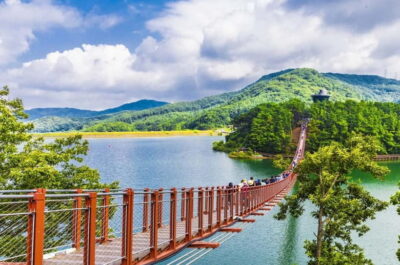
DMZ Insider Tour: 3rd Tunnel, NK Defector Meet & Red Bridge
Read our review →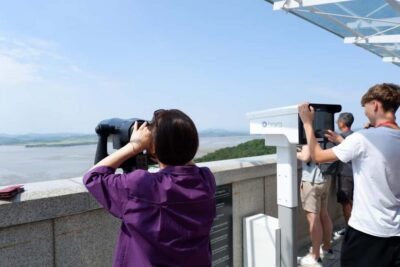
Thrilling Korean DMZ 3rd Tunnel Tour from Seoul + Red Bridge Rush
Read our review →
DMZ Past and Present: Korean Demilitarized Zone Tour from Seoul
Read our review →
Ultimate Korea DMZ Tour from Seoul (Gondola & Suspension Bridge)
Read our review →Browse the lists this tour appears in