Reviewed · TOURS
From Seoul: 5-Day Tour of Korea with UNESCO Sites
The most striking thing about this five-day Korean circuit is its range. In one trip, you move from Baekje royal tombs and Joseon homes to Busan’s fish market, Gyeongju temples, and the mountain valleys of Seorak. I like the careful mix of major sights and living places, especially Andong Hahoe Village and the path linked with Admiral Yi Sun-sin. I also like that four hotel nights, breakfasts, transport, guides, and selected admissions are covered. The tradeoff is a brisk schedule, with long road days and limited free time at some stops.
Recent departures led by guides including Justin and Mr. Kim have been praised for smooth organization, friendly service, and very good breakfast buffets. You should still prepare for practical compromises: rooms may face a road or parking area, and Suncheon Bay Garden can close on its monthly day off. Mt. Seorak may also be skipped in October because of bus restrictions.
In This Review
- Key points at a glance
- What this five-day route does well
- Day one: Baekje tombs, fortress walls, and Jeonju hanok streets
- Day two: Gwangju memorials, Suncheon gardens, and Yeosu’s naval past
- Day three: Jinju Fortress, Busan seafood, and the coast
- Day four: Gyeongju’s Buddhist masterpieces and Andong village life
- Day five: Mt. Seorak and the return to Seoul
- Hotels, meals, and the pace between sights
- What the $999 price really buys
- Who should book this Korea circuit?
- FAQ
- Where does the tour begin in Seoul?
- Where does the tour finish?
- Is hotel pickup and drop-off in Seoul included?
- Which languages are available?
- What accommodation is included?
- Are meals included?
- Are entrance fees included?
- Can the vehicle size change?
- Can Mt. Seorak be skipped?
- What should I bring?
- What is the cancellation policy?
- Is travel insurance included?
Key points at a glance
- Gongju opens the trip with two UNESCO sites: Visit the Tomb of King Muryeong and Gongsanseong Fortress before reaching Jeonju.
- Jeonju and Andong show traditional Korea: Hanok architecture and preserved village life give the tour its strongest cultural moments.
- Gwangju adds modern civic history: The May 18th National Cemetery gives the route a serious, reflective stop.
- Busan brings the sea and street life: Jagalchi Fish Market, Haeundae Beach, and Dongbaek Park offer a sharp change of pace.
- Gyeongju supplies the grand temples: Seokguram Grotto and Bulguksa Temple are the spiritual high points of the route.
- Seorak ends the journey in the mountains: The cable car to Gwongeumseong Fortress is optional, and October access can be restricted.
What this five-day route does well
This is a tour for seeing a large slice of South Korea without arranging several hotels, regional transfers, and admission tickets yourself. You begin at Gwanghwamun in Seoul and finish back there at about 5 p.m. on day five.
The route moves in a broad arc through central and southern Korea before turning north toward Pyeongchang and Mt. Seorak. That means you spend plenty of time on the road. Still, the changing scenery and subject matter keep the days from feeling repetitive.
I particularly like the balance between formal monuments and places where Korean life feels more immediate. A royal tomb, fortress, or temple gives you historical structure. A fish market, garden, beach, or village gives you something more sensory and informal.
The tour costs $999 per person. That is a serious outlay, but it covers four nights in hotels, four breakfasts, an English-speaking guide, air-conditioned transportation, and selected entrance fees. You pay separately for lunch, dinner, insurance, and anything optional, such as the Seorak cable car. For a long-distance route with several hotel changes, the price can be reasonable if you value convenience.
The main question is not simply cost. It is pace. If you want to linger for hours in one temple, market, or village, this will feel rushed. If you want to cover several regions in five days and prefer having the driving and hotel planning handled for you, it makes much more sense.
A few more Seoul trips worth weighing up
Day one: Baekje tombs, fortress walls, and Jeonju hanok streets
Meet your guide at the Donghwa Duty-Free Shop Building near Gwanghwamun Intersection. The meeting point is by Exit 6 of Gwanghwamun Station, and the guide will hold a K-shuttle sign. Hotel pickup from Seoul is not included, so allow time to reach this location.
The first major stop is the Tomb of King Muryeong in Gongju. This UNESCO World Heritage site belongs to the Baekje Historic Areas, and it gives you an early look at the kingdom that once ruled much of western Korea. The tomb is valuable because it connects a real royal burial with the wider story of Baekje art, architecture, and political power.
Next comes Gongsanseong Fortress, also a UNESCO site. The fortress gives you a stronger sense of place than a museum display alone. Its defensive walls and position help explain why Gongju mattered as a capital and military center.
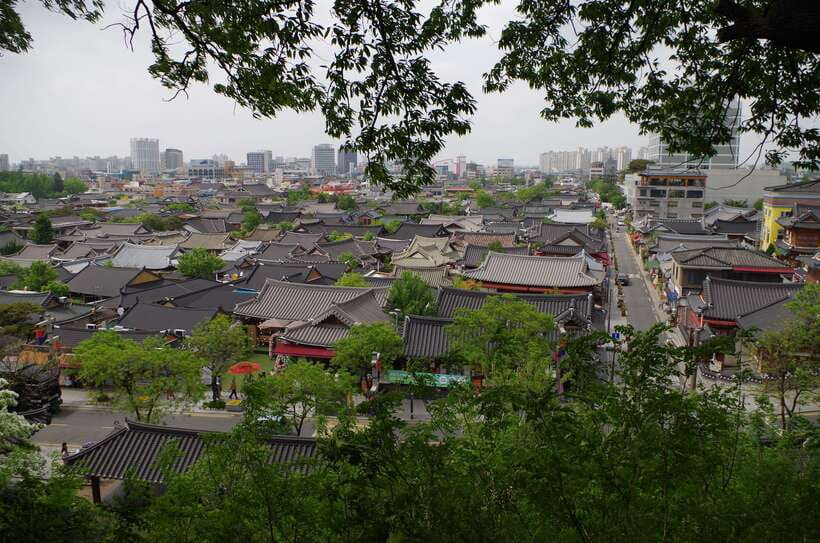
The route then continues to Jeonju, with a hotel near Jeonju Hanok Village. That location is useful. You are not being dropped far from the old quarter, so you may have a little chance to see its traditional tiled roofs and narrow lanes around the planned schedule.
Your hotel is listed as Jeonju Ramada Hotel or a similar property. Rooms are twin or triple sharing, an important point if you prefer privacy. You should also expect that the exact hotel and room view can vary. Some rooms on recent departures faced a road or parking area, and upgrades may cost extra.
Day two: Gwangju memorials, Suncheon gardens, and Yeosu’s naval past
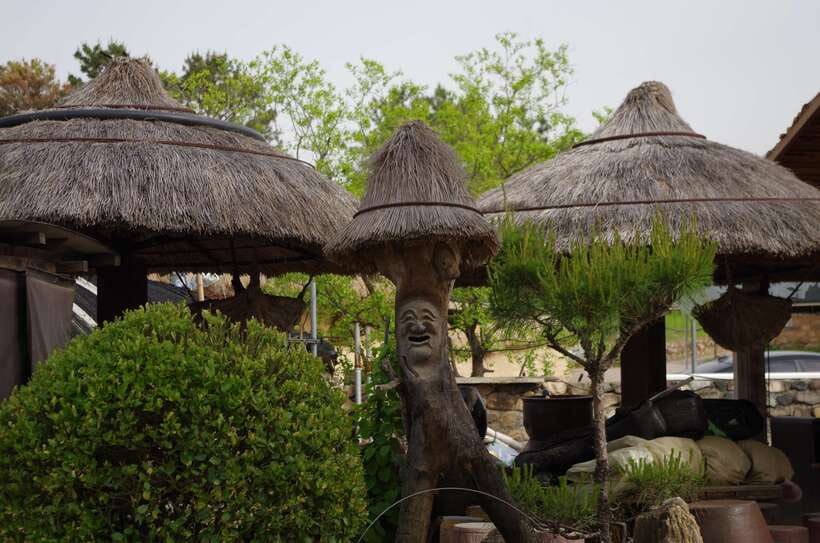
After breakfast, you head to Gwangju, known here for its role in Korea’s modern democratic movement. The May 18th National Cemetery is a solemn stop. It is not a light sightseeing break, but it gives the trip modern political context that ancient sites cannot provide.
Take your time here to absorb the mood. The value lies in understanding that Korea’s story is not limited to palaces, dynasties, and temples. The stop also asks you to approach the day with respect rather than treating every attraction as a photo opportunity.
Suncheon Bay Garden offers a different mood. Its planted areas and broad outdoor spaces provide a visual break after the cemetery. This is one place where seasonal conditions and operating dates matter. The gardens close on a monthly day off, and that closure was not always clearly announced in advance. Check the operating date before departure if this stop is especially important to you.
The day finishes in Yeosu, a port city with strong naval associations. You walk along the historic path connected with Admiral Yi Sun-sin, the commander remembered for defending Korea during the Japanese invasions of the 1590s.
This sequence works well because it links modern civic history, public gardens, and military history in one day. It is also another full schedule. You will not have unlimited time in Gwangju, Suncheon, or Yeosu.
The listed hotel is Ramada Plaza by Wyndham Yeosu or a similar property. Breakfast is included the following morning. Recent feedback has been especially warm about the hotel breakfasts across the trip, which can make early departures easier.
Day three: Jinju Fortress, Busan seafood, and the coast
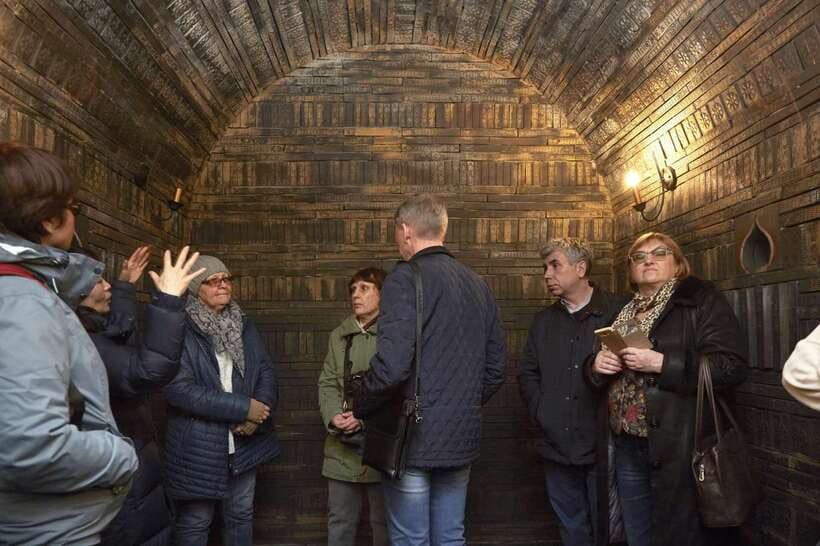
Jinjuseong Fortress is the first stop on day three. The site is linked with the Japanese invasion of 1592, and Chokseoknu Pavilion gives the visit a distinctive architectural focus. The fortress is another place where setting matters. Instead of seeing military history only through dates, you get walls, a pavilion, and a location tied to Korea’s defense.
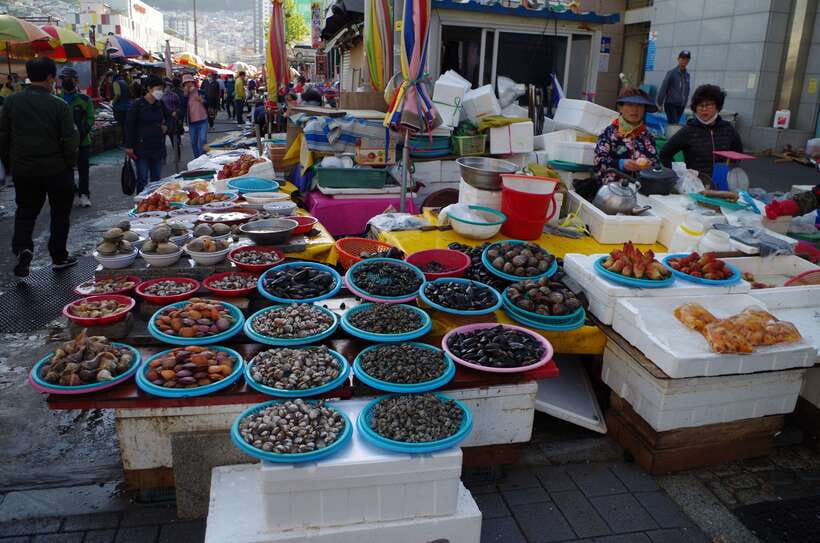
The bus then carries you to Busan. Jagalchi Fish Market is the day’s most energetic stop. As Busan’s largest seafood market, it gives you a direct look at the city’s relationship with the sea. You should expect a working market atmosphere rather than a polished museum. Lunch is not included, so this is a natural place to budget for your own meal, though the supplied details do not specify a restaurant or meal arrangement.
After the market, the tour moves to Haeundae Beach and Dongbaek Park. The combination is well chosen. Haeundae gives you an open coastal view, while Dongbaek Park offers a more enclosed walking area and a change from the market’s noise and activity.
Busan is one of the places where you may wish for extra time. The schedule gives you a useful introduction, but it is not designed for a full exploration of the city. You will not be fitting in every neighborhood, museum, or food stop.
The day ends in Gyeongju, where you check into the Gyeongju Commodore Hotel or a similar property. Reaching Gyeongju at night keeps the next morning focused on its major heritage sites, though it also means you may see little of the city after dark.
A completely different kind of day, same trip:
- Best DMZ Tour Korea from Seoul (Red Suspension Bridge Optional)
★ 5.0 · 41,422 reviews - DMZ Tour: 3rd Tunnel, Option(Suspension Bridge, Boat) from Seoul
★ 5.0 · 21,373 reviews - DMZ tour south Korea from Seoul (NK experience hall, defector)
★ 5.0 · 20,599 reviews - DMZ Insider Tour: 3rd Tunnel, NK Defector Meet & Red Bridge
★ 4.9 · 15,214 reviews
Day four: Gyeongju’s Buddhist masterpieces and Andong village life
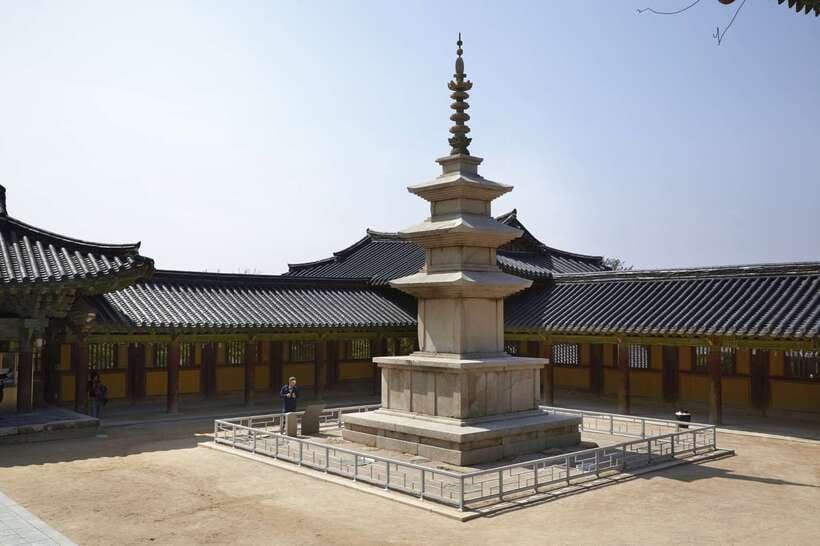
Day four is the strongest day for major heritage sites. Begin with Seokguram Grotto, a UNESCO World Heritage site on the slopes of Mt. Toham. The grotto is known for its Buddhist sculpture and carefully planned sacred setting. You should wear comfortable shoes, since this is a site where walking conditions matter.
Bulguksa Temple follows. Also listed by UNESCO, it is one of Korea’s best-known Buddhist temples. Its stone bridges, courtyards, and wooden halls give you a fuller picture of Silla-era religious art than a single monument could provide.
The order of Seokguram and Bulguksa makes practical sense, but the morning is likely to feel busy. These are not quick roadside photo stops. If you enjoy temple details, stonework, and religious architecture, you may wish the timetable allowed longer.
Andong Hahoe Folk Village changes the tone again. It is described as a living museum of Joseon Dynasty housing and culture, with preserved traditional homes rather than only reconstructed displays. The village was also visited by Queen Elizabeth II, a detail that adds interest but is less important than the architecture itself.
Hahoe is one of the tour’s most useful stops because it shows how traditional homes fit together as a community. You are seeing more than one old building. You are seeing a preserved village pattern and a setting where Korean customs remain tied to a real place.
After Andong, the bus continues to Pyeongchang. The listed hotel is Ramada Hotel PyeongChang or a similar property. You have some leisure time after check-in, but the day has already included two major Gyeongju sites and Andong, so do not count on a long evening of sightseeing.
Day five: Mt. Seorak and the return to Seoul
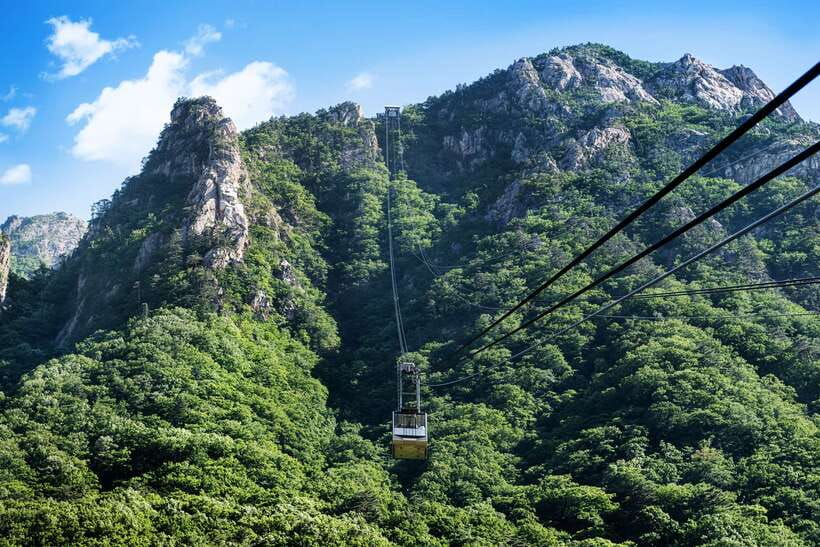
The final morning takes you from Pyeongchang to Mt. Seorak National Park. The park is described as a UNESCO Biosphere Preservation District, not a UNESCO World Heritage site. Its appeal is natural: clear, jade-like water in the valleys and high peaks that can disappear into cloud.
The optional cable car to Gwongeumseong Fortress can give you a wider mountain view. If you do not take the cable car, the itinerary lists Shinheungsa Temple as an alternative. Since the cable car is optional, confirm the extra cost and operating conditions with your guide.
October requires special attention. The park may restrict tour buses, forcing you to walk 3.6 kilometers from the parking area to the entrance. The visit may also be skipped. This is not a minor footnote if Seorak is the main reason you are booking the tour, so check the seasonal situation before paying.
The tour returns to Gwanghwamun at about 5 p.m. That planned arrival gives you a useful evening in Seoul, but road traffic can always affect a long transfer. Avoid scheduling a flight immediately afterward.
Hotels, meals, and the pace between sights
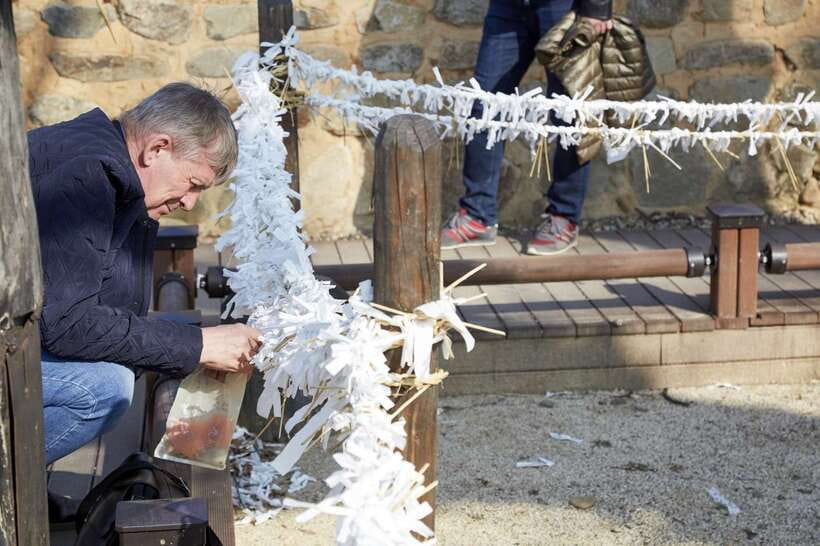
The hotels are listed as Ramada Jeonju, Ramada Plaza by Wyndham Yeosu, Gyeongju Commodore, and Ramada PyeongChang, or similar properties. The supplied information does not guarantee those exact hotels, so treat them as examples rather than fixed promises.
Twin or triple sharing is included. If you are a solo guest, check how the room arrangement and any single supplement work before booking. You should also be ready for changing room views and property standards. The hotels have generally been praised for comfort and breakfast, but some rooms may be in less desirable positions.
Breakfast is included each morning. Lunch and dinner are not, which gives you some freedom but also means you need enough Korean won before leaving Seoul. Currency exchange may be difficult during the route, so prepare cash in advance.
An air-conditioned vehicle handles the long transfers. Vehicle size can change with the number of people booked. A smaller group may have a different feel from a full coach, but the exact group size is not fixed in the supplied details.
The schedule is demanding. Comfortable shoes are essential for fortresses, temple grounds, villages, parks, and the possible walk at Seorak. You will benefit from packing light, since the route changes hotels almost every night.
What the $999 price really buys
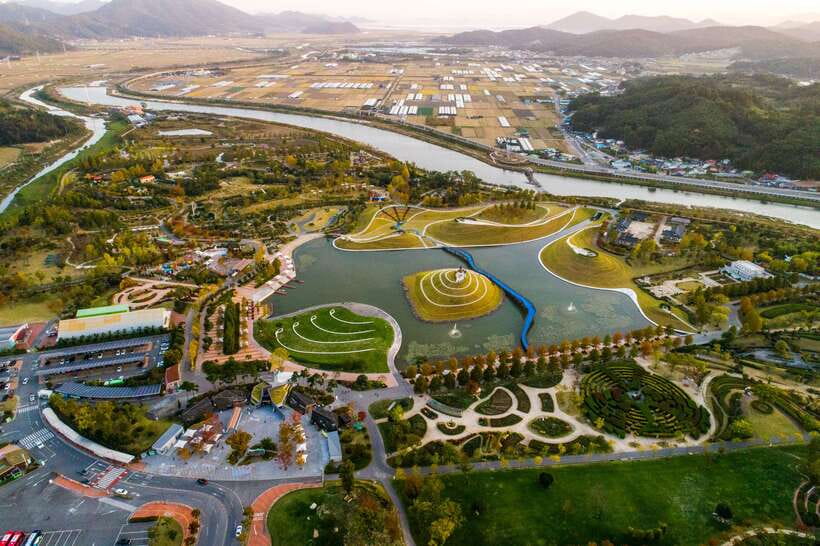
At $999, you are paying for structure as much as sightseeing. The price removes the need to compare intercity buses, arrange four hotels, purchase several admissions, and navigate a route that covers Gongju, Jeonju, Gwangju, Suncheon, Yeosu, Jinju, Busan, Gyeongju, Andong, Pyeongchang, and Seorak.
The value is strongest for you if you are visiting Korea for the first time, have only five days, and want an English-speaking guide. It is weaker if you already know the train and bus system, prefer guesthouses, or want to choose every meal and stop yourself.
The included guide matters. Guides such as Justin and Mr. Kim have received strong praise for handling busy conditions and keeping the program moving. That becomes especially useful on a route with changing entry rules, large attractions, and long transfers.
The price does not cover meals, insurance, Seoul hotel transfers, or optional activities. Add those costs before deciding. You should also compare the value of a private trip or a slower regional tour if you dislike group schedules.
Who should book this Korea circuit?
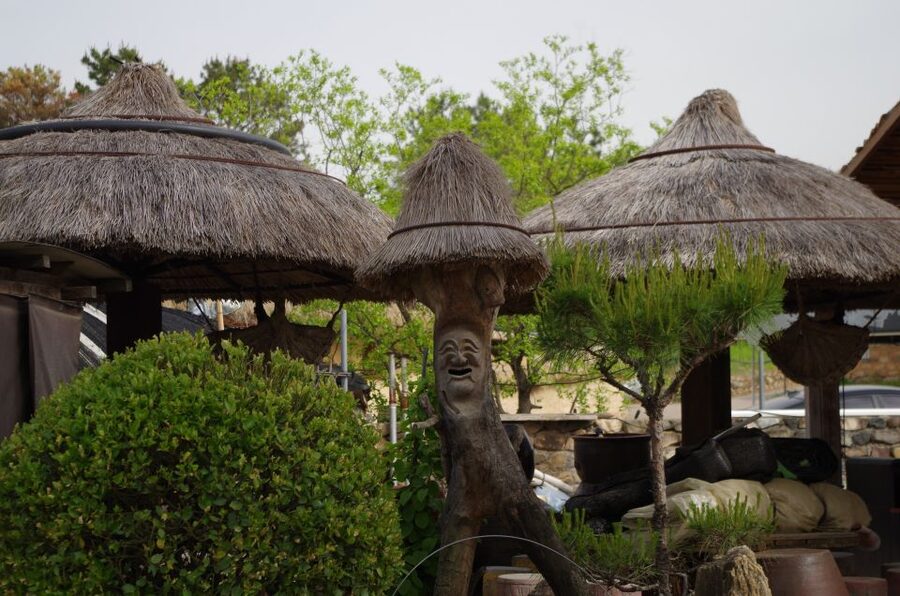
I would recommend it to a first-time visitor who wants a broad introduction rather than a slow study of one region. It suits people who enjoy ancient sites but also want markets, beaches, modern civic history, and mountain scenery.
It is a good fit for couples, friends, and independent visitors who want a guide and organized transport without spending time building a complicated route. The included breakfasts and multiple established hotels add comfort after long days.
I would hesitate if you need substantial free time, dislike early starts, or have mobility concerns. The information specifically advises comfortable shoes, and the fortresses, temples, village, parks, and possible 3.6-kilometer walk at Seorak require physical effort.
Book with extra care if Suncheon Bay Garden or Mt. Seorak is essential. Confirm closure dates and October access conditions first. You should also ask about room arrangements, the exact hotels, optional cable car costs, and the plan for meals.
FAQ
Where does the tour begin in Seoul?
Meet at the Donghwa Duty-Free Shop Building at Gwanghwamun Intersection. The meeting point is near Exit 6 of Gwanghwamun Station, and the guide will hold a K-shuttle sign.
Where does the tour finish?
The tour returns to Gwanghwamun in Seoul at about 5 p.m. on the final day.
Is hotel pickup and drop-off in Seoul included?
No. Seoul hotel pickup and drop-off are not included. You must reach the Gwanghwamun meeting point yourself.
Which languages are available?
The tour provides live guiding in English and Korean.
What accommodation is included?
Four nights in twin or triple-sharing rooms are included. The listed hotels are Jeonju Ramada Hotel, Ramada Plaza by Wyndham Yeosu, Gyeongju Commodore Hotel, and Ramada Hotel PyeongChang, or similar properties.
Are meals included?
Hotel breakfasts are included. Lunches and dinners are not included.
Are entrance fees included?
Entry tickets for selected attractions are included. The cable car to Gwongeumseong Fortress is optional, so confirm its price separately.
Can the vehicle size change?
Yes. The vehicle size depends on the number of people joining the tour.
Can Mt. Seorak be skipped?
Yes. Visiting Seorak may be restricted and could be skipped in October because buses may be restricted from entering the national park.
What should I bring?
Bring comfortable shoes. You should also prepare enough Korean won before departure because exchanging currency during the route may be difficult.
What is the cancellation policy?
You can cancel up to three days in advance for a full refund.
Is travel insurance included?
No. Travel insurance is not included in the tour price.
Just added around Seoul
- Incheon Airport Private Transfer between Seoul City★ 4.0 · 4 reviews
- Seoul’s Stars: Open Mic with Local & International Talent★ 4.8 · 4 reviews
- Samaksan Cable Car and Nami Island Day Escape with Railbike★ 4.0 · 4 reviews
- DMZ 2nd Tunnel and Cheorwon Peace Observatory with Admission★ 5.0 · 4 reviews
- Nami & Maple Road & Theatre des Lumieres Day Tour from Seoul★ 4.8 · 4 reviews
- Hire Photographer, Professional Photo Shoot – Seoul★ 5.0 · 4 reviews
- [KoreaByLocal] Authentic Seoul Night Walk and Chicken & Beer★ 5.0 · 4 reviews
- Play Gayageum in Hanbok Cultural Experience in Bukchon★ 5.0 · 4 reviews
Tours, compared.
Best DMZ Tour Korea from Seoul (Red Suspension Bridge Optional)
Read our review →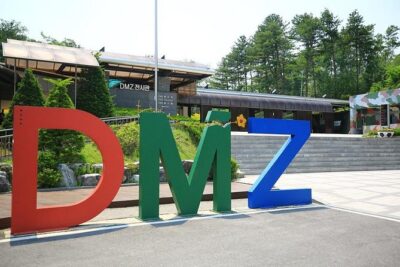
DMZ Tour: 3rd Tunnel, Option(Suspension Bridge, Boat) from Seoul
Read our review →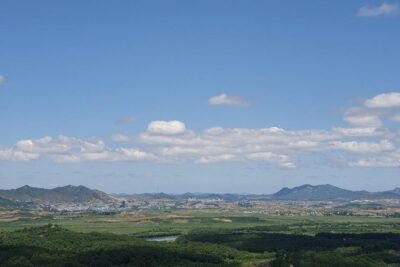
DMZ tour south Korea from Seoul (NK experience hall, defector)
Read our review →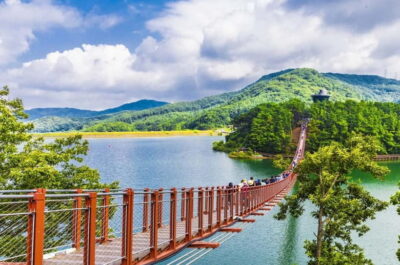
DMZ Insider Tour: 3rd Tunnel, NK Defector Meet & Red Bridge
Read our review →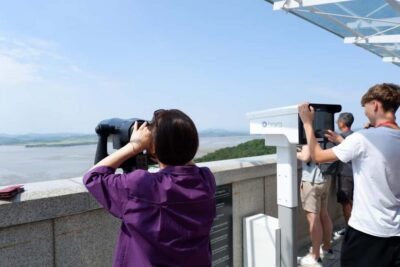
Thrilling Korean DMZ 3rd Tunnel Tour from Seoul + Red Bridge Rush
Read our review →
DMZ Past and Present: Korean Demilitarized Zone Tour from Seoul
Read our review →