Reviewed · TOURS
Essence Korea 3days Ptivate Tour(West/East)
Korea’s best stories often sit outside Seoul, and this private three-day tour reaches them by car. You can focus on the west, the east, or combine both, with stops ranging from Baekje tombs in Gongju to seaside Busan and old royal sites in Gyeongju.
I like the door-to-door flexibility and the chance to let a guide such as Johnny, Jun, or George shape the route around your interests. I also like the mix of major sights and local flavor, including Jeonju food, Yeosu seafood, Mokpo specialties, and coastal views.
The catch is the pace. Combining east and west means long drives and short visits, and one four-star assessment found the schedule hectic. You will see a lot, but six days would be more comfortable if you want time to linger.
In This Review
- Key points to know before booking
- Why this tour gets beyond Seoul
- Day one: Baekje history in Gongju and traditional Jeonju
- Gongsanseong Fortress
- Gongju National Museum and King Muryeong’s Tomb
- Jeonju Hanok Village
- The east option: Andong and the old Silla capital
- Daereungwon Tomb Complex
- Gyeongju National Museum
- Day two: Yeosu, Odongdo, and Gyeongju
- Haedong Yonggungsa
- Day three: Mokpo, Busan, and the long return
- Gamcheon Culture Village
- Guides, vehicle, and private-tour advantages
- Who should book this three-day Korea tour?
- Final verdict: a strong choice for ambitious sightseeing
- FAQ
- How long is the Essence Korea private tour?
- Can I choose between the west and east courses?
- Is this a private tour?
- Is pickup available?
- What is included in the price?
- Is accommodation included?
- Which guides may lead the tour?
- What is the cancellation policy?
Key points to know before booking
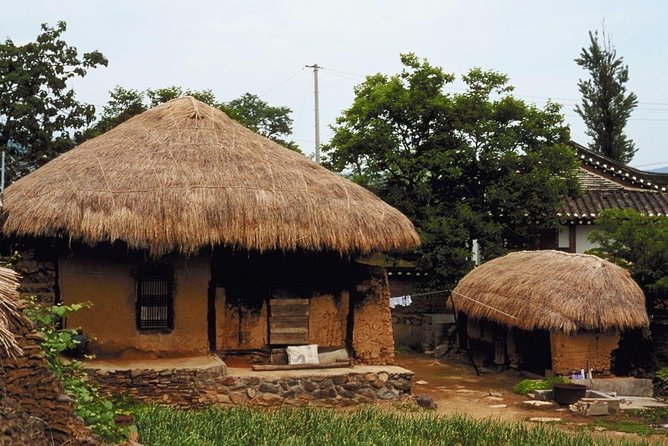
- Choose one side or combine both: The west route centers on Gongju, Jeonju, Yeosu, and Mokpo, while the east route includes Andong, Gyeongju, Busan, and Haedong Yonggungsa.
- Three lunches are included: This helps with both cost and convenience, especially on long driving days.
- Lodging is separate: You need to arrange and pay for accommodation, including the overnight stay in Jeonju if following the west route.
- Private transport changes the experience: Only your group takes part, so the guide can adjust the day more easily than a large coach tour.
- The history is substantial: Gongju introduces the Baekje dynasty, while Gyeongju focuses on the Silla dynasty, which ruled from the city for about 1,000 years.
- The itinerary is ambitious: Expect a broad survey of southern Korea, not slow travel with hours at every stop.
Why this tour gets beyond Seoul
A Seoul visit can fill several days without effort, but it gives you only one slice of Korea. This tour takes you into former capitals, fishing cities, traditional villages, royal burial grounds, and coastal viewpoints that are hard to connect by public transport in just three days.
The private format matters here. You are not simply being dropped at a famous monument and sent back to a bus. The guide drives, explains the sites, handles parking, and can help shape the day. George, for example, has customized the route so a group could see more cities in a tight schedule, while Jun focused on explaining the meaning of the places visited.
The vehicle is another practical advantage. One detailed account praised the car as luxurious and comfortable, which is useful when the itinerary involves long stretches between western and eastern Korea. This is not a tour built around one compact historic district. You will spend real time on the road.
The price is $800 per person. That is a serious sum, but it includes fuel surcharge, parking, admission fees, three lunches, private transportation, and a guide. You still pay for accommodation, and the value depends heavily on group size. For a small private group, the convenience can make sense. For one person or two people on a tight budget, public transport and separate day trips may cost less, though they will not offer the same door-to-door routing.
A few more Seoul trips worth weighing up
- 3-Day Korea Western course by K-shuttle Tour from Seoul to Busan
★ 4.5 · 4 reviews
Day one: Baekje history in Gongju and traditional Jeonju
The west route starts in Gongju, once the capital of the Baekje dynasty about 1,400 years ago. This gives the tour a strong historical opening. Instead of beginning with a generic city walk, you start with the remains of an early Korean kingdom.
You may spend up to three hours around Gongju Fortress, the museum, and the ancient royal tombs. The fortress offers views over the city and even has an archery activity. Admission to the broader Gongju visit is free, while the fortress itself has an included admission fee.
Gongsanseong Fortress
Gongsanseong Fortress is the most active part of the Gongju visit. Its walls sit above the city, giving you a sense of why this was a useful defensive site. Forty minutes is enough for a quick look and a view, but not enough for a long walk around every section.
If you enjoy old fortifications, you may wish the schedule allowed more time. The tradeoff is clear: the tour gives you a taste of several major sites rather than a full study of one.
Gongju National Museum and King Muryeong’s Tomb
The Gongju National Museum helps put the ruins in context. It focuses on royal life during the Baekje period, so the visit is more useful than a quick photo stop. You can spend about 40 minutes there, with no separate admission charge.
At the Tomb of King Muryeong, you get a royal burial site and a small museum devoted to the king. Plan on about an hour. Admission is included. This stop adds detail to the Baekje story, showing how royal power was expressed through burial customs and objects rather than only through fortress walls.
Your guide’s explanation is important here. Without context, tombs and museum displays can feel disconnected. With a guide, the sequence of capital, fortress, royal tomb, and museum becomes easier to follow.
A completely different kind of day, same trip:
- Best DMZ Tour Korea from Seoul (Red Suspension Bridge Optional)
★ 5.0 · 41,422 reviews - DMZ Tour: 3rd Tunnel, Option(Suspension Bridge, Boat) from Seoul
★ 5.0 · 21,373 reviews - DMZ tour south Korea from Seoul (NK experience hall, defector)
★ 5.0 · 20,599 reviews - DMZ Insider Tour: 3rd Tunnel, NK Defector Meet & Red Bridge
★ 4.9 · 15,214 reviews
Jeonju Hanok Village
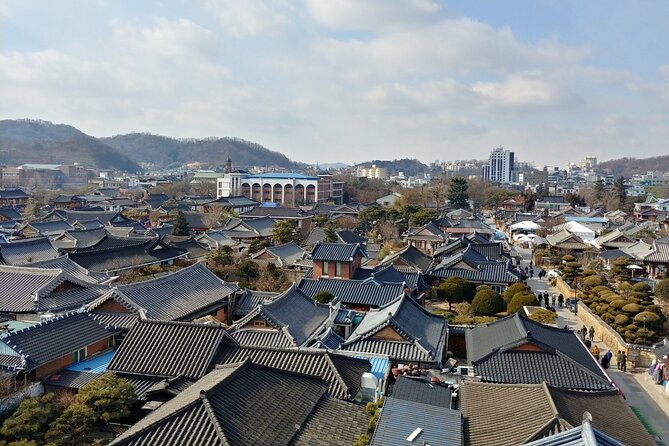
The route continues to Jeonju, a city known for Korean traditional houses, food, and a one-night stay. The Hanok Village is free to enter and receives about an hour in the stated schedule.
The village has an interesting modern history. It began during the Japanese occupation as an effort to protect Korean society and traditional housing. Today, it is also a popular food area. That creates a useful contrast: the same place can be both a symbol of cultural preservation and a busy eating district.
An hour is enough to walk through part of the village and sample the atmosphere, but you should not expect to see every lane or settle into a long meal during the scheduled stop. Since accommodation is not included, confirm where your Jeonju night fits into the plan before booking.
The east option: Andong and the old Silla capital
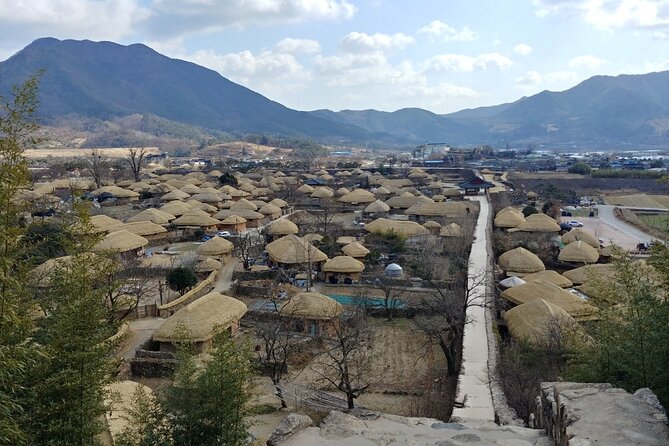
If you choose the east course, Andong Hahoe Folk Village may replace the western opening. Andong is presented as one of Korea’s most authentic cities, and Hahoe offers a look at traditional village life. The village also gained international attention when Queen Elizabeth II visited in 1999 and celebrated her birthday there.
The scheduled visit lasts about 90 minutes and includes admission. That is enough to understand the layout and see the traditional setting, but the timing remains brisk. If your main goal is village culture, ask how much time the guide can give this stop before committing to a combined route.
Gyeongju forms the historical heart of the east course. It was the capital of the Silla dynasty for roughly 1,000 years, and the city itself is designated a world cultural heritage site. You can spend around three hours exploring the city, though the itinerary spreads that time across several locations.
Daereungwon Tomb Complex
Daereungwon is a large group of Silla royal tombs. The rounded burial mounds give Gyeongju a distinctive appearance and make the city feel less like a modern urban center. The visit lasts about 40 minutes and includes admission.
That short stop works well for a first look. If you want close study of the tombs or more time for photographs, the schedule may feel tight. Still, paired with the museum, it gives you a clear introduction to Silla burial culture.
Gyeongju National Museum
The Gyeongju National Museum covers 1,000 years of Silla history. Admission is free, and the scheduled visit is about an hour.
This is one of the places where a guide can add real value. Museum displays can be hard to connect to the city outside, especially when you are moving quickly. A good explanation can link the objects to the royal tombs and the former capital you have just seen.
Day two: Yeosu, Odongdo, and Gyeongju
The west itinerary brings you to Yeosu, one of the best-known tourist areas on Korea’s west and south seas. The city is valued for ocean views and fresh seafood, with about three hours allocated to the visit.
This is a welcome change after the tombs and museums of Gongju. You get open water, a port-city setting, and a chance to focus on food. Since three lunches are included overall, ask in advance which meals are planned in Yeosu or elsewhere. The tour description promises authentic Korean food, but it does not name specific restaurants or dishes.
Odongdo adds a walking element. The island is known for its trekking route and camellia flowers, and the visit lasts about an hour with admission included. It is a good fit if you want a short break from the vehicle, though the time does not allow for a long island walk.
On the east route, day two centers on Gyeongju and then moves toward Busan. You may spend about three hours in Gyeongju, followed by Daereungwon and the national museum. This arrangement gives you a layered look at Silla culture, but it also shows why the combined course can feel rushed.
Haedong Yonggungsa
Haedong Yonggungsa is one of Korea’s most scenic temples because it sits beside the East Sea. The visit lasts about 50 minutes and has no separate admission charge.
The setting is the main attraction. A temple next to the sea offers a different view of Korean religious architecture than an inland mountain site. The short visit is practical for a packed route, but uneven paths and steps may make it less comfortable for anyone who needs a slower pace. The available information says most people can participate, not that every part is step-free.
Day three: Mokpo, Busan, and the long return
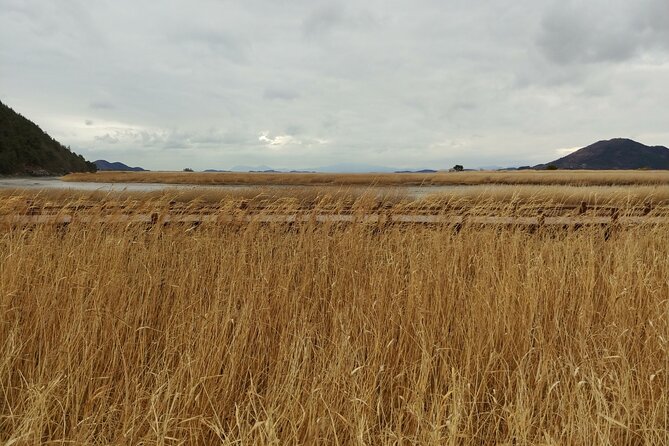
The final day on the west side takes you to Mokpo, at the western end of Korea. The city is known for authentic food, scenery, and an unusual urban view. The planned visit lasts about two hours and has no separate admission fee.
Mokpo helps keep the trip from becoming only a series of royal sites. You see a working city with its own food culture and coastal character. The information provided does not specify a single landmark, so the guide’s local knowledge and your group’s interests may shape this portion of the day.
The east route includes APEC Naru Park, where the APEC meeting was held in 2005. The park is also known for its scenic location, and the visit lasts about an hour. It provides a modern civic counterpoint to Gyeongju’s ancient capital sites.
Gamcheon Culture Village
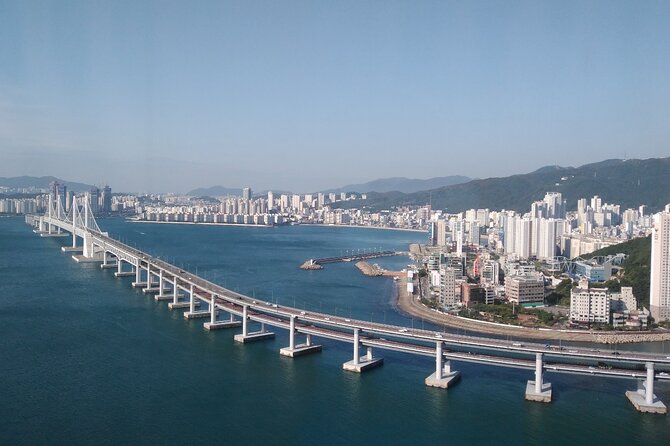
Busan’s Gamcheon Culture Village is the final major stop on the east course. It began as a place for refugees from across Korea and later became known for its distinctive culture and appearance. The scheduled visit is only 40 minutes, so you will get a quick introduction rather than a slow neighborhood walk.
That short visit is enough to understand why the area matters, but not enough to explore every corner. If Gamcheon is a top priority, tell the guide. The private format may allow some adjustment, though the distance covered in three days limits what can be added.
One practical warning comes from the route itself: the final day can be dominated by the trip back to Busan. If you are combining west and east, check the ending point and transfer plan carefully. A three-day schedule can show you a great deal, but part of that last day may be spent returning rather than sightseeing.
Guides, vehicle, and private-tour advantages
The strongest part of this experience is the human service. Johnny has been described as prompt, cheerful, and eager to help, with a comfortable vehicle and a knack for showing places that are difficult to reach independently. Jun is noted for clear explanations of the importance of each site. George has customized the route and found local places for food.
Those details matter because the itinerary covers several historical periods and regions. A driver who only points out landmarks would not be enough. You need someone who can explain Baekje, Silla, traditional village life, seafood cities, and modern Busan in a way that connects the pieces.
Only your group participates, so you avoid the fixed rhythm of a large coach. Pickup is offered, the experience can be booked with a mobile ticket, and group discounts may improve the cost for larger parties. The tour is also near public transportation, though the private vehicle is the sensible way to cover this much ground.
The main limitation is that quality can depend on the assigned guide. The named guides have different strengths, so it is reasonable to request the person who best matches your interests, though assignment cannot be guaranteed from the information available.
Who should book this three-day Korea tour?
I would choose this tour if you want to see well beyond Seoul but do not want to plan several intercity journeys yourself. It suits first-time visitors who want a broad look at Korea, families or private groups who value convenience, and anyone interested in combining history, food, villages, and the coast.
It is especially useful for people who want places such as Gongju, Mokpo, or Andong without building a complicated route from scratch. The guide, parking, fuel, and admissions remove much of the daily planning.
I would hesitate if you prefer slow mornings, long museum visits, or independent wandering. The four-star assessment that called the pace hectic is fair. You can see a remarkable range of places in three days, but you will not experience each one at leisure.
For the best balance, choose either the west or east route if your schedule allows. Combine both only if your priority is coverage. If you have six days, spreading the same material over a longer trip would give you more time in Jeonju, Gyeongju, Busan, and the coastal cities.
Cancellation is free up to 24 hours before the start time, with a full refund. Changes made later are not accepted, and poor weather can lead to a new date or refund. Since lodging is not included, settle your overnight arrangements before the tour begins.
Final verdict: a strong choice for ambitious sightseeing
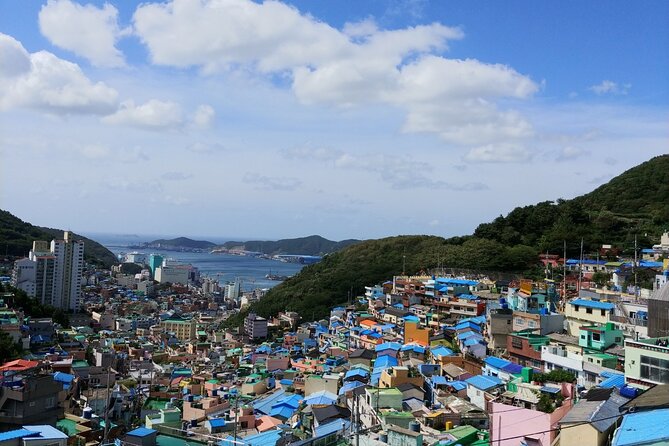
This is a valuable private tour for seeing Korea’s historic south and west beyond Seoul. Its best features are the flexible route, private vehicle, thoughtful guides, included lunches and admissions, and the mix of major heritage sites with real food cities and sea views.
The price is easier to justify for a group than for a solo visitor. The pace is the deciding factor. Book it if you want a broad, efficient introduction and are happy to trade lingering time for variety. Choose one side for a calmer trip, or take both sides when your goal is to cover as much of Korea as possible in a short visit.
FAQ
How long is the Essence Korea private tour?
The tour lasts approximately three days.
Can I choose between the west and east courses?
Yes. You can choose the west course, the east course, or combine both courses.
Is this a private tour?
Yes. Only your group participates in the activity.
Is pickup available?
Yes. Pickup is offered.
What is included in the price?
The price includes the fuel surcharge, parking fees, admission fees, and three lunches.
Is accommodation included?
No. Accommodation is not included. The west route includes an overnight stay in Jeonju, but you must arrange and pay for the lodging.
Which guides may lead the tour?
The supplied information names Johnny, Jun, and George as guides who have led this experience.
What is the cancellation policy?
You can cancel at least 24 hours before the start time for a full refund. Cancellations or changes made less than 24 hours before the start time are not accepted, and poor weather may result in a different date or a full refund.
Just added around Seoul
- Incheon Airport Private Transfer between Seoul City★ 4.0 · 4 reviews
- Seoul’s Stars: Open Mic with Local & International Talent★ 4.8 · 4 reviews
- Samaksan Cable Car and Nami Island Day Escape with Railbike★ 4.0 · 4 reviews
- DMZ 2nd Tunnel and Cheorwon Peace Observatory with Admission★ 5.0 · 4 reviews
- Nami & Maple Road & Theatre des Lumieres Day Tour from Seoul★ 4.8 · 4 reviews
- Hire Photographer, Professional Photo Shoot – Seoul★ 5.0 · 4 reviews
- [KoreaByLocal] Authentic Seoul Night Walk and Chicken & Beer★ 5.0 · 4 reviews
- Play Gayageum in Hanbok Cultural Experience in Bukchon★ 5.0 · 4 reviews
Tours, compared.
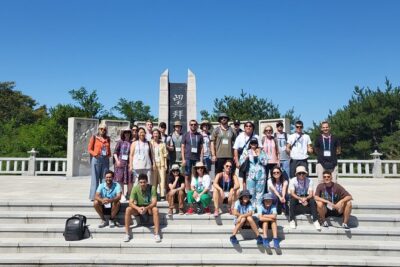
Best DMZ Tour Korea from Seoul (Red Suspension Bridge Optional)
Read our review →
DMZ Tour: 3rd Tunnel, Option(Suspension Bridge, Boat) from Seoul
Read our review →
DMZ tour south Korea from Seoul (NK experience hall, defector)
Read our review →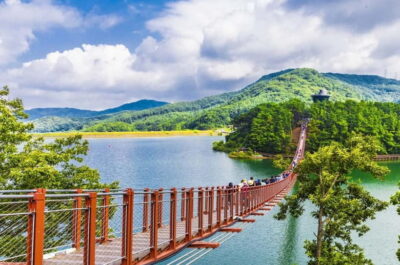
DMZ Insider Tour: 3rd Tunnel, NK Defector Meet & Red Bridge
Read our review →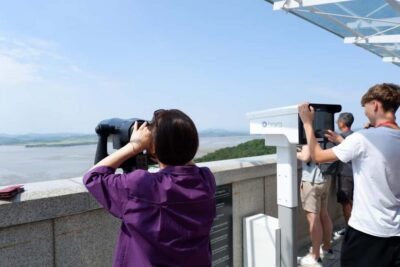
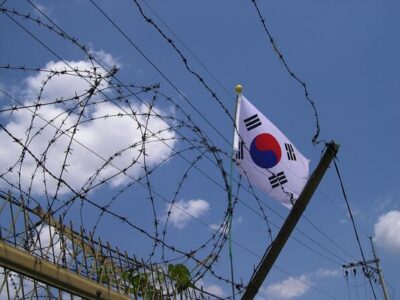
Thrilling Korean DMZ 3rd Tunnel Tour from Seoul + Red Bridge Rush
Read our review →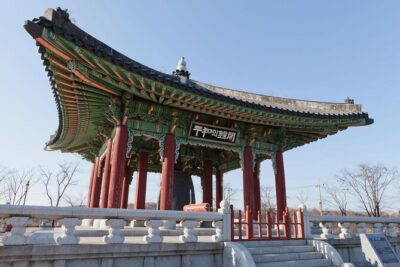
DMZ Past and Present: Korean Demilitarized Zone Tour from Seoul
Read our review →