
Reviewed · DMZ & JSA TOURS
DMZ One Day Tour in Gyeonggi-do with English or Spanish
The most striking part of this tour is the chance to see a living border, not just read about the Korean War in a museum. From Imjingak to the 3rd Infiltration Tunnel and Dora Observatory, you move from remembrance to Cold War tension, with a certified English- or Spanish-speaking guide explaining what you are seeing.
I like the efficient nine-hour day from Seoul, especially since the air-conditioned vehicle and entrance fees are included. I also like the added Bunker Museum visit, which gives the day a more human look at war than a quick stop at an observation deck can provide. The main drawback is the price, $250 per person, and the fact that lunch and dinner are not included.
In This Review
- Key points to know
- Why a DMZ day trip feels different
- Meeting at City Hall and heading to Paju
- Imjingak Pyeonghoa-Nuri Park and the human cost of division
- The 3rd Infiltration Tunnel: history under your feet
- Dora Observatory and the view across the 38th parallel
- The Bunker Museum adds a sharper wartime focus
- Is $250 a fair price?
- Food, timing, and what to bring
- Who will get the most from this tour?
- Should you book it?
- FAQ
- Where does the DMZ tour begin?
- How long does the tour last?
- How long is the drive from Seoul to Paju?
- Is pickup available?
- Which languages are available?
- What attractions are included?
- Can you enter the 3rd Infiltration Tunnel?
- Are entrance fees included?
- Are meals included?
Key points to know
- The tour begins at City Hall station: Expect about 90 minutes by car to reach Paju.
- Imjingak sets the emotional tone: This park honors families separated by the border.
- The 3rd Infiltration Tunnel is a physical experience: You go into the tunnel as far as the restricted area allows.
- Dora Observatory offers a view toward North Korea: Weather and visibility will affect what you can see.
- The Bunker Museum adds wartime context: It brings historical events closer to real people and real places.
- English and Spanish guiding is available: Group discounts, pickup, and mobile tickets are also offered.
Why a DMZ day trip feels different
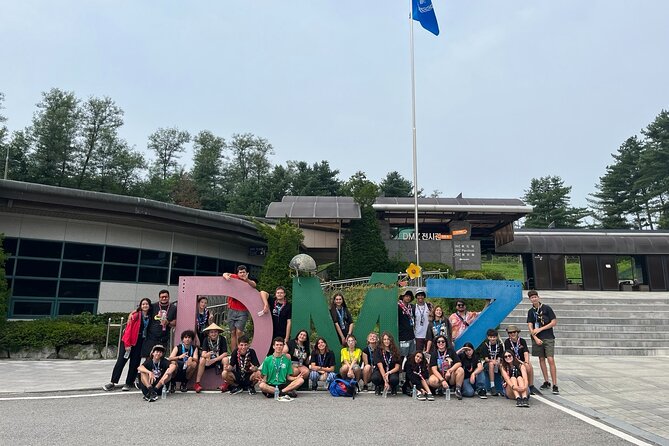
A DMZ tour is not a normal sightseeing outing. You are visiting a zone shaped by military tension, divided families, and decades of unfinished politics. The appeal is not entertainment. It is the unusual chance to see how history remains part of daily life in South Korea.
This experience takes you from Seoul to Paju, in Gyeonggi-do, for roughly nine hours. That sounds long, but the journey includes several different kinds of stops. You begin at a memorial park, enter a former infiltration route, look across the border from a high viewpoint, and visit a bunker museum.
I like that range. A shorter outing might give you one viewpoint and a quick explanation. Here, you have time to connect the places. The park shows the human cost, the tunnel shows the military planning, and the observatory gives you a literal view toward the other side.
You should also set your expectations correctly. This is a structured border tour, not an independent walk through open countryside. Access is controlled, and some areas are limited. That restriction is part of the experience, but it also means you need to follow the guide’s timing closely.
More ways to reach the DMZ:
- Best DMZ Tour Korea from Seoul (Red Suspension Bridge Optional)
★ 5.0 · 41,422 reviews - DMZ Tour: 3rd Tunnel, Option(Suspension Bridge, Boat) from Seoul
★ 5.0 · 21,373 reviews - DMZ tour south Korea from Seoul (NK experience hall, defector)
★ 5.0 · 20,599 reviews
Meeting at City Hall and heading to Paju
The stated meeting point is City Hall station in Seoul. From there, the drive to Paju takes about 90 minutes by car, so the morning transfer is a substantial part of your day. Pickup is also offered, but you should confirm the exact pickup arrangement when booking because the itinerary specifically identifies City Hall station as the meeting point.
The air-conditioned vehicle is a useful inclusion. You are not simply being taken to one attraction and returned. The tour links several sites spread through the DMZ area, and a comfortable vehicle makes the long transfer easier.
I would treat the ride as part of the practical cost of the tour. You are paying for transport out of Seoul, a guide in your chosen language, and entry to the listed attractions. If you tried to arrange every part independently, you would also need to manage the route, timing, and access requirements yourself.
The tour is available with an English- or Spanish-speaking certified guide. That matters here because the places are loaded with military and political context. You will get more from the tunnel and observatory if you can ask questions and follow the explanations without relying on a translation app.
Imjingak Pyeonghoa-Nuri Park and the human cost of division
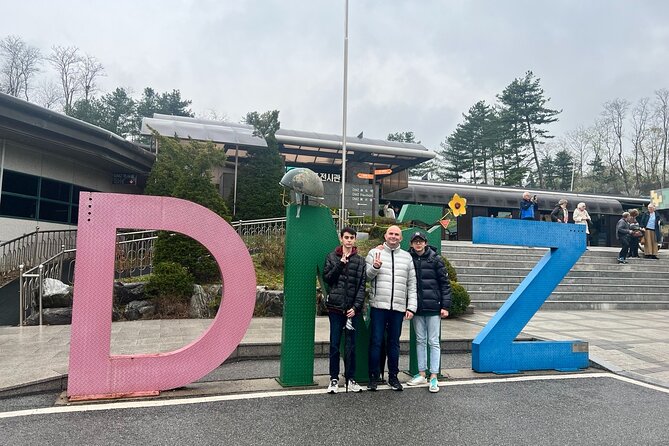
Imjingak is the opening stop and the emotional starting point of the day. The park was built in 1972 to console people on both sides who were unable to return to their homes or see separated family members.
That purpose changes how you look at the site. This is not simply a photo stop before the more dramatic attractions. It gives you a way to think about the DMZ as a family story, not only a military line.
The name Pyeonghoa-Nuri is associated with peace, and the park functions as a place of remembrance. You can expect the guide to frame the rest of the tour through this setting, helping you understand why the border carries such weight for Koreans.
The visit lasts about four hours according to the tour schedule for the first part of the day. That time is combined with the wider DMZ portion, so the exact order and pacing may depend on the day’s operations. Still, you should expect a substantial stop rather than a brief photograph and immediate departure.
I like beginning here because it slows you down before the tunnel. You first consider people separated by the division, then see the military measures created because of it. The drawback is that visitors looking mainly for scenic views may find the memorial focus more serious than expected.
The 3rd Infiltration Tunnel: history under your feet
The next major experience is the 3rd Infiltration Tunnel, which was reportedly designed for a surprise attack on Seoul from North Korea. South Korea found and blocked the tunnel, and the tour allows you to enter part of it, up to the restricted area.
This is the stop that makes the DMZ feel physical. A display panel or lecture can explain military strategy, but walking underground gives you a more direct sense of the effort involved in creating a route beneath the border.
You should not think of this as a casual underground stroll. The route is limited, and the area is controlled. Your guide will direct you to the section open to the public, so the experience is about seeing part of the tunnel rather than walking through its full length.
The scheduled visit lasts about two and a half hours as part of the DMZ portion. That allows time for the tunnel and related explanations, though the schedule may be affected by access conditions and the day’s pace.
Wear practical shoes. The supplied information does not specify the tunnel’s exact walking conditions, so I would avoid treating this as a polished museum corridor. A comfortable pair of shoes is the sensible choice for any tour that takes you below ground and includes a limited walking route.
The tunnel is especially valuable if you want more than a border photograph. It turns the division into something you can see in construction marks, confined space, and restricted access. If you dislike enclosed spaces or prefer a gentle sightseeing day, this may be the least comfortable part.
A few more Seoul trips worth weighing up
- Mt. Seorak+Nami Island+Garden of Morning Calm Day Trip from Seoul
★ 5.0 · 959 reviews - Seoul: Gangwon-do Day Trip with Alpaca World & Nami Island
★ 4.7 · 581 reviews - Day Trip to Nami Island with Rail bike and The Garden of Morning Calm
★ 4.5 · 459 reviews - Day Trip to Nami Island with The Garden of Morning Calm
★ 4.5 · 215 reviews
Dora Observatory and the view across the 38th parallel
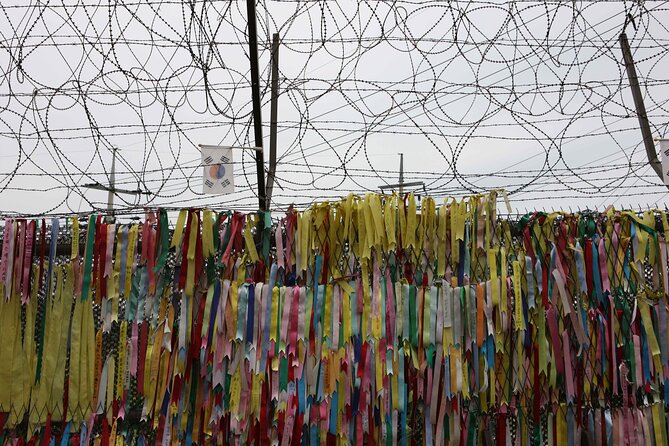
Dora Observatory sits on Mount Dora on the South Korean side of the 38th parallel. From the viewing area, you look across the Demilitarized Zone toward North Korea.
The view is the tour’s most obvious visual reward, but it depends heavily on conditions. The supplied details do not promise a particular level of visibility, so do not book this expecting a guaranteed panorama. Clear weather will naturally give you more to see than haze or poor conditions.
The observatory also helps put the border on a map. After hearing about the division and walking through the tunnel, you can see the physical space separating the two sides. That connection between story and place is what makes the stop worthwhile.
The scheduled observatory portion is about two and a half hours. That is generous compared with a quick roadside viewpoint, and it gives the guide time to explain the area rather than rush you through it.
I would bring patience here. You may spend part of the time looking, listening, and waiting for the best possible view. The experience is not built around a long list of activities, so its value comes from the setting and the explanation.
The Bunker Museum adds a sharper wartime focus
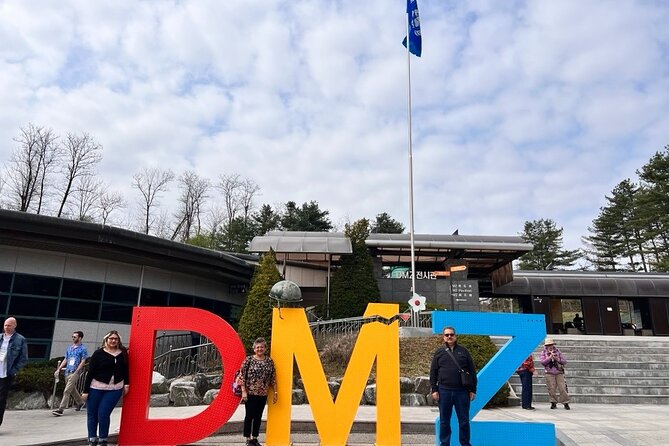
The Bunker Museum is one of the more distinctive features of this tour. Rather than limiting the day to exhibition halls and military infrastructure, the visit focuses on hidden historical facts and scenes connected with war.
The word bunker suggests a protective military space, but the useful part of the stop is the human scale. After the wide view from Dora Observatory, an underground museum can bring the conflict back to rooms, objects, and personal stories.
The available details do not provide a separate visit length or a full list of exhibits. I would therefore treat the Bunker Museum as an important part of the day’s historical program, not as a separate attraction with a guaranteed set of displays.
I like having this stop included because it gives the tour a different mood from the observatory. The observatory looks outward. The bunker turns your attention inward, toward the experience of war and the facts that can be missed when a tour focuses only on military geography.
Is $250 a fair price?
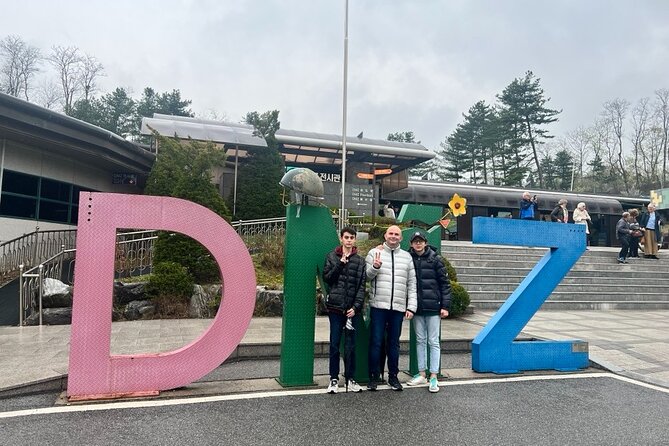
At $250 per person, this is not a budget excursion. The value depends on how much help you want with transport, access, language, and interpretation.
The price includes an air-conditioned vehicle and entrance fees. You are also getting a full-day schedule from Seoul, a certified English- or Spanish-speaking guide, and a route that combines several DMZ sites. For someone who wants a planned visit without sorting out each transfer, those inclusions make the cost easier to understand.
The price is harder to justify if you mainly want a quick look at the border. In that case, the long drive and nine-hour commitment may feel excessive. You are paying for the full historical route, not only for the view from Dora Observatory.
Group discounts may improve the value if you are booking with other people. The tour is also booked, on average, 41 days in advance, which suggests you should not leave planning until the last moment if your Seoul dates are fixed.
A mobile ticket is convenient, particularly when you are moving through a full day of stops. Still, the key decision is not the ticket format. It is whether you want a guided, structured day with transport and admissions handled together.
Food, timing, and what to bring
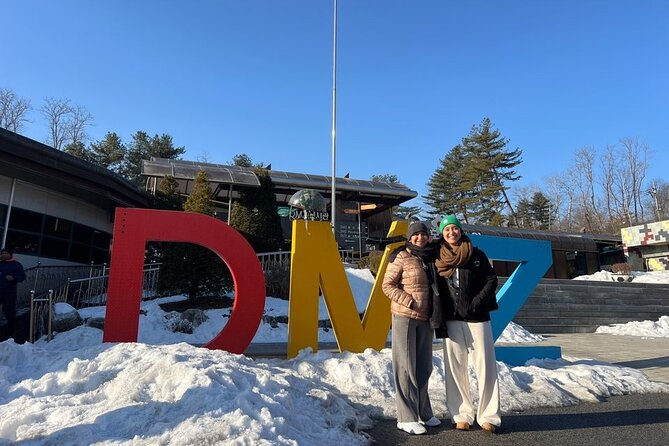
Lunch and dinner are not included. That is easy to overlook during a nine-hour outing, so plan for the fact that meals are your responsibility. The provided details do not specify a meal stop, restaurant, or the amount of free time available to eat.
I would have breakfast before meeting the guide and carry water and a small snack if permitted. Since the exact meal arrangements are not given, confirm how lunch fits into the day rather than assuming a long restaurant break.
The tour’s schedule is divided into major blocks: about 90 minutes to Paju, around four hours at Imjingak, approximately two and a half hours for the DMZ section, and about two and a half hours at Dora Observatory. These figures add up to a full day, so you should expect a steady pace.
Bring a mobile phone for the ticket, comfortable shoes for the tunnel and park areas, and clothing suited to the day’s weather. The vehicle is air-conditioned, but the tour includes outdoor stops, and the available information does not promise indoor shelter at every point.
Who will get the most from this tour?
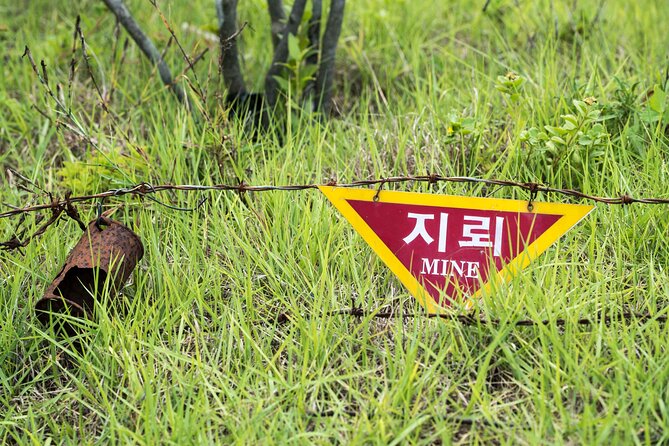
I would choose this tour if you want the DMZ explained in English or Spanish and prefer not to organize the route yourself. It suits first-time visitors to South Korea who want historical context alongside the main sights.
It also works well for people who are interested in the Korean War, divided families, military history, or the politics of the Korean Peninsula. The Bunker Museum and 3rd Infiltration Tunnel give the day more substance than a simple observation stop.
Families and groups may benefit from the group discount, though the tunnel and serious subject matter may not suit every child. The nine-hour length also deserves attention. This is a major day out from Seoul, not a short add-on between city attractions.
I would hesitate if your priority is flexibility. The route is structured, access is limited in parts of the DMZ, and meals are not included. I would also think twice if enclosed spaces are a concern, since the tunnel is a central feature.
Should you book it?
Book this tour if you want a full DMZ introduction with transport, admission fees, and a certified English- or Spanish-speaking guide included. The combination of Imjingak, the 3rd Infiltration Tunnel, Dora Observatory, and the Bunker Museum gives you four different ways to understand the border.
Skip it if $250 feels too high for a guided day, or if you want an easy sightseeing outing with plenty of free time. For the right visitor, the value is in the access and context: you are not just looking toward the border, you are learning why it exists and how it has shaped people’s lives.
FAQ
Where does the DMZ tour begin?
The tour itinerary states that you meet the guide at City Hall station in Seoul.
How long does the tour last?
The tour lasts approximately nine hours.
How long is the drive from Seoul to Paju?
The transfer from City Hall station to Paju takes about 90 minutes by car.
Is pickup available?
Pickup is offered. The itinerary also identifies City Hall station as the meeting point, so confirm the exact pickup arrangement when booking.
Which languages are available?
You can choose a certified guide who speaks English or Spanish.
What attractions are included?
The tour includes Imjingak Pyeonghoa-Nuri Park, the DMZ, the 3rd Infiltration Tunnel, Dora Observatory, and the Bunker Museum.
Can you enter the 3rd Infiltration Tunnel?
Yes. You enter the tunnel up to the limited area open to the public.
Are entrance fees included?
Yes. Entrance fees are included in the tour price.
Are meals included?
No. Lunch and dinner are not included.
Just added around Seoul
- Incheon Airport Private Transfer between Seoul City★ 4.0 · 4 reviews
- Seoul’s Stars: Open Mic with Local & International Talent★ 4.8 · 4 reviews
- Samaksan Cable Car and Nami Island Day Escape with Railbike★ 4.0 · 4 reviews
- DMZ 2nd Tunnel and Cheorwon Peace Observatory with Admission★ 5.0 · 4 reviews
- [KoreaByLocal] Authentic Seoul Night Walk and Chicken & Beer★ 5.0 · 4 reviews
- Nami & Maple Road & Theatre des Lumieres Day Tour from Seoul★ 4.8 · 4 reviews
- Hire Photographer, Professional Photo Shoot – Seoul★ 5.0 · 4 reviews
- Play Gayageum in Hanbok Cultural Experience in Bukchon★ 5.0 · 4 reviews
DMZ & JSA Tours, compared.
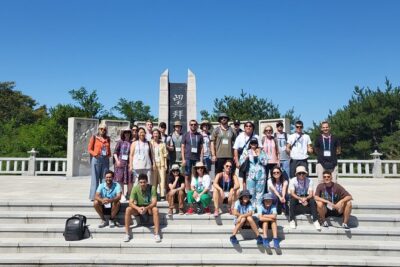
Best DMZ Tour Korea from Seoul (Red Suspension Bridge Optional)
Read our review →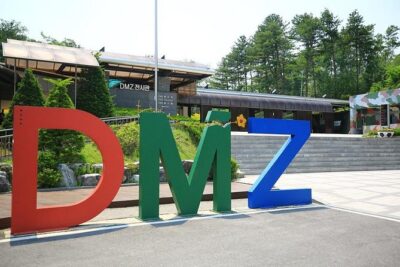
DMZ Tour: 3rd Tunnel, Option(Suspension Bridge, Boat) from Seoul
Read our review →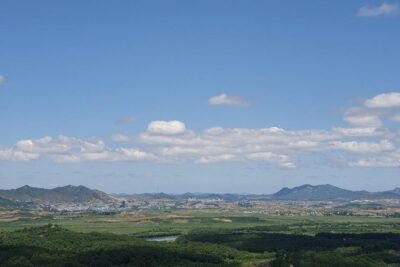
DMZ tour south Korea from Seoul (NK experience hall, defector)
Read our review →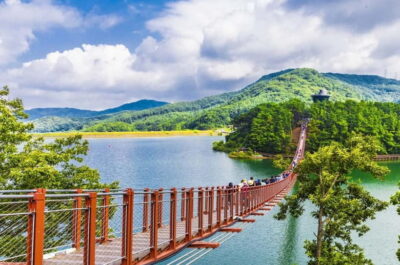
DMZ Insider Tour: 3rd Tunnel, NK Defector Meet & Red Bridge
Read our review →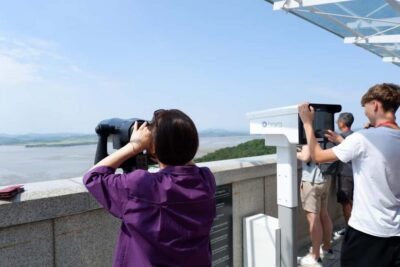
Thrilling Korean DMZ 3rd Tunnel Tour from Seoul + Red Bridge Rush
Read our review →
DMZ Past and Present: Korean Demilitarized Zone Tour from Seoul
Read our review →
Ultimate Korea DMZ Tour from Seoul (Gondola & Suspension Bridge)
Read our review →Browse the lists this tour appears in