
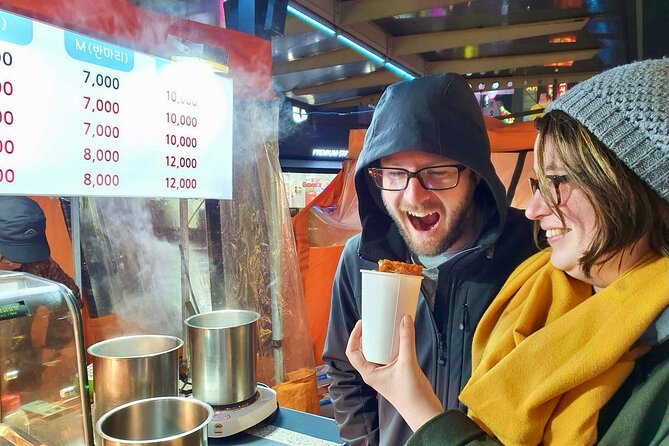
Reviewed · FOOD & DRINK
Seoul Food Tours, Eat Like a Local : 100% Personalized & Private
Seoul’s best food often arrives in small portions at ordinary-looking eateries, market stalls, and neighborhood cafés. This private three-hour crawl puts a host beside you to explain what you are eating and steer you away from places built only for tourists.
I like the freedom to request dishes such as galbijjim, kalguksu, mandu, or Korean barbecue. I also like the mix of eating and walking through places such as Ikseondong and Gwangjang Market, rather than sitting in one restaurant for the whole afternoon.
The main concern is price. At $221.45 per person, this is a serious spend for three hours, especially since transport and extra food are not included. You are paying for privacy, planning, and a local companion, not simply for the food itself.
In This Review
- Key things to know before booking
- Why a private Seoul food crawl can be useful
- Starting near Bukchon and Jongno
- Local eateries and Korean barbecue
- Mandu, noodles, and garlic chicken stew
- Ikseondong’s hanok cafés
- Gwangjang Market and Seoul street food
- Walking, taxis, and the three-hour limit
- What the $221.45 price buys you
- Who will enjoy this most
- Booking details that matter
- Should you book this Seoul food tour?
- FAQ
- How long is the Seoul food tour?
- How many food tastings are included?
- Are drinks included?
- Is this a private tour?
- Where does the tour start?
- Can the tour begin at my hotel?
- Is transportation included?
- Which Seoul neighborhoods or food stops might be included?
- What is the cancellation policy?
Key things to know before booking
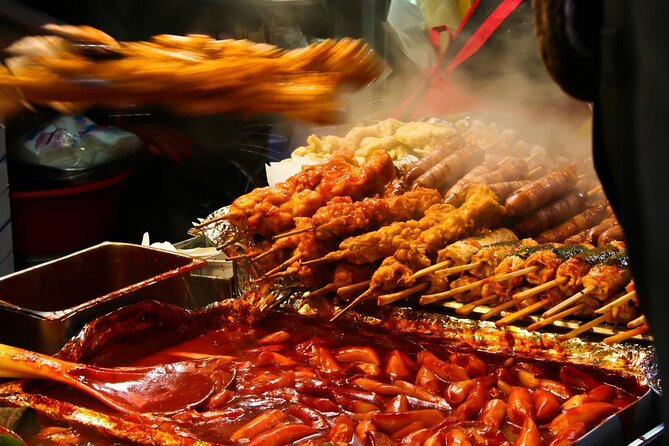
- Six to eight tastings are included: You also receive two soft drinks per person during the three-hour experience.
- The route is made for your group: Possible stops include mandu shops, Korean barbecue, noodle houses, Ikseondong cafés, and Gwangjang Market.
- You meet a private host: Past tours have been led by guides including Andrew, Ben, and Van, depending on availability.
- Central Seoul is the practical base: The listed meeting point is Starbucks at 5-1 Bukchon-ro in Jongno District.
- Walking is the default: Your host can suggest public transport or a taxi if the route calls for it, but those costs are yours.
- The experience suits food-curious newcomers: It offers both eating tips and an introduction to Seoul neighborhoods, customs, and everyday dishes.
Why a private Seoul food crawl can be useful
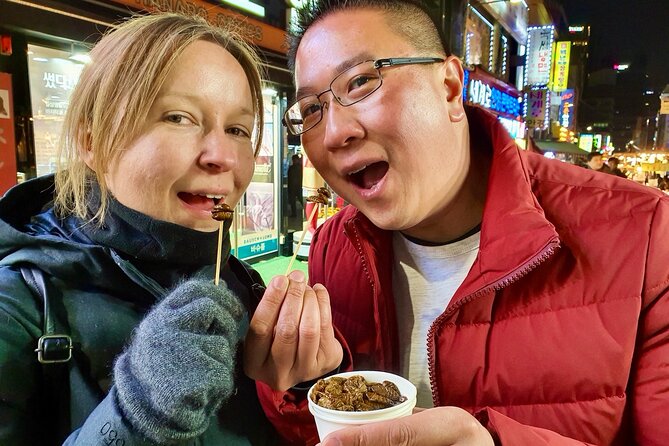
A food tour is most helpful at the start of a Seoul visit, when menus feel unfamiliar and you are still learning how local meals work. This experience gives you three hours with one host who can help you decide what to try, explain the food, and shape the route around your interests.
That matters in Seoul because the food is not always arranged for easy sightseeing. Small sikdang, or local eateries, may have limited English information and menus that assume you already know the basics. A host can show you how a dish fits into Korean eating culture and help you order with more confidence later in your trip.
The private format is the big selling point. Only your group takes part, so you do not have to match the pace or appetite of strangers. You can ask for specific foods, spend more time on a market street, or avoid dishes that do not suit you.
The trade-off is that the precise route is not fixed. The listed examples are possibilities, not guarantees. That flexibility is useful if you have clear requests, but less useful if you want a set list of famous restaurants and guaranteed stops.
A few more Seoul trips worth weighing up
- Seoul Street Food Market Tour
★ 5.0 · 1,226 reviews - Seoul: Night Market Food Tour with Local Guide
★ 4.9 · 943 reviews - Downtown Seoul Guided Food & Market Tour with 8+ Local Tastings
★ 5.0 · 580 reviews
Starting near Bukchon and Jongno
The listed meeting point is Starbucks at 5-1 Bukchon-ro, in Seoul’s Jongno District. This puts you in a central part of the city, close to traditional neighborhoods and several areas associated with older Seoul foodways.
A hotel meet-up may be available if you are staying in a central location. Confirm that request before you arrive, since the standard meeting point is the Starbucks location and the experience ends back at the meeting point.
The start is more than a simple rendezvous. Your first few minutes with the host should help set the tone for the route. Tell your guide clearly if you want classic dishes, less familiar food, cafés, market snacks, or a particular neighborhood.
Past guides have included Andrew, Ben, and Van. Andrew received especially strong praise for bringing Seoul to life with historical detail, while Ben helped one visitor find galbijjim and kalguksu in a traditional neighborhood away from the main tourist areas. Van led an evening route that included street vendors and Korean specialties.
Guide assignments can change, so book this for the private format and personal route rather than for one named guide. If a specific host matters to you, ask the provider before booking.
Local eateries and Korean barbecue
One possible stop is a small sikdang, the kind of local restaurant where the food is the main reason to enter. Pumpkin Korean BBQ is given as one example, though your actual restaurant may be different.
Korean barbecue is a useful introduction to the social side of eating in Seoul. It is not just about the meat. The meal often involves shared cooking, side dishes, sauces, and a particular rhythm at the table. A host can make that process less confusing if this is your first Korean barbecue meal.
The advantage of tasting several dishes in small portions is variety. You are not committing your entire meal to one unfamiliar plate. The limitation is also clear: six to eight tastings over three hours may mean sample-sized portions rather than a full meal at each stop.
If you have a large appetite, ask how the tastings are portioned. Two soft drinks per person are included, but additional food and drinks cost extra. The tour can leave you satisfied, as one past evening did, but the amount you eat depends on the route and the size of each tasting.
Mandu, noodles, and garlic chicken stew
Mandu, or Korean dumplings, is one possible food request. Yago Mandoo is named as a potential stop, along with noodle soup and garlic chicken stew.
These choices show how the tour can move beyond the most familiar Korean barbecue experience. Dumplings are easy to share and compare. Noodle soup offers a simple, comforting dish, while garlic chicken stew gives you a fuller taste of the hearty food served in Korean homes and neighborhood restaurants.
A past tour was shaped around galbijjim and kalguksu, which suggests that specific food requests can work well when you make them in advance. Galbijjim is braised beef short rib, while kalguksu is hand-cut noodle soup. If there are dishes you have been hoping to try, list them when you book or in your pre-tour communication.
Do not assume every requested dish will appear automatically. The route is personalized, but the food stops can differ from the examples. Your best approach is to give your host a short wish list, plus any dislikes or dietary limits.
A completely different kind of day, same trip:
- Best DMZ Tour Korea from Seoul (Red Suspension Bridge Optional)
★ 5.0 · 41,422 reviews - DMZ Tour: 3rd Tunnel, Option(Suspension Bridge, Boat) from Seoul
★ 5.0 · 21,373 reviews - DMZ tour south Korea from Seoul (NK experience hall, defector)
★ 5.0 · 20,599 reviews - DMZ Insider Tour: 3rd Tunnel, NK Defector Meet & Red Bridge
★ 4.9 · 15,214 reviews
Ikseondong’s hanok cafés
Ikseondong is known for its hanok-style café street, where older Korean houses have been adapted for food and drink. A stop here changes the pace from savory dishes and market snacks to sweets, tea, or a soft drink.
This is a good part of the route for anyone who wants more than a restaurant checklist. The setting helps you notice how Seoul mixes old buildings with current café culture. It also gives your host a chance to explain local habits around tea, desserts, and meeting friends.
One past outing ended with dessert at a tea house, which made a pleasant finish after several food stops. Another included medicinal tea while discussing Korean culture and traditional family life. These details point to the value of the host conversation, not just the menu.
Still, café time uses part of your three-hour window. If your priority is street food and savory dishes, say so. If you prefer a slower route with tea and neighborhood atmosphere, Ikseondong may be a better fit.
Gwangjang Market and Seoul street food
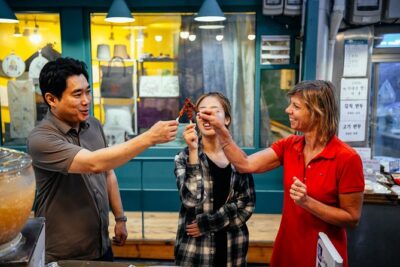
Gwangjang Market is another possible stop. The food culture here is informal and direct: walk, look, choose, and eat. Rice cakes and pancakes are named as likely temptations along the way.
A market adds something that a restaurant cannot. You can see food being prepared, compare several stalls, and watch how people eat while moving through the city. It also gives you a chance to try a small portion without ordering an entire meal.
Your host is particularly useful here. Some market foods have unfamiliar names, textures, or levels of spice. A guide can point out what is worth trying for your tastes and explain how the dishes are normally eaten.
Market conditions can affect comfort. One evening outing took place in very hot and sticky weather, yet still included street vendors and Korean specialties. If you are sensitive to heat or humidity, ask about a later start or a route with indoor stops. The experience remains a walking tour, so comfortable shoes are a sensible choice.
Walking, taxis, and the three-hour limit
The experience is designed as a walking tour. That makes sense for Seoul food exploration because neighborhoods, cafés, restaurants, and market stalls are often part of the experience itself.
Your host can suggest public transport or private taxi options if needed. Transportation costs are not included, so budget for them separately if you prefer to reduce walking or travel between areas.
Three hours is enough for a focused introduction, but it is not a full day of eating. The route needs to balance food, travel time, conversation, and neighborhood exploring. A private group can help keep that balance in your favor because you are not waiting for a large party.
I would treat this as a first taste of Seoul rather than a complete food education. It can help you identify dishes and areas to revisit on your own during the rest of your stay.
What the $221.45 price buys you
The listed price is $221.45 per person. That includes a private and personalized experience, three hours with a host, six to eight Korean food tastings, and two soft drinks per person.
Food alone does not explain the cost. You are also paying for a host who helps build the route, translates the food culture into plain terms, and takes away some of the uncertainty of ordering in unfamiliar places.
The value improves for people who care about customization. If you want galbijjim and kalguksu, prefer neighborhood restaurants, or need someone to help you test unfamiliar dishes, private guidance can be worth more than a standard group walk.
The value is weaker if you mainly want a large quantity of food or a vehicle between stops. Transport is extra, food and drinks beyond the included tastings are extra, and one past assessment found another private tour that lasted twice as long and included a dedicated car for a similar price.
Group discounts may be available, so check the total for your party rather than looking only at the per-person figure. A private booking is also more appealing for families or friends who want control over the pace and menu.
Who will enjoy this most
I would recommend this experience to first-time visitors who want a quick introduction to Korean food without doing all the research themselves. It is also a good match for small private groups with different appetites, since the route can be adjusted.
Food-focused visitors should send requests early. The examples cover a wide range, from mandu and barbecue to noodle soup, garlic chicken stew, market snacks, and tea. You should get more from the tour if you arrive with two or three dishes you want to try.
It may be less suitable for someone seeking a fixed itinerary, a long seated meal, or private transportation. It is also not the best choice if you want to spend three hours eating large portions. The tour is about sampling and guidance, with walking between stops.
The experience received a 4.6 rating from 14 reviews, with several strong comments about the guides, local food choices, and cultural explanations. The less positive assessment focused on price and length, which are fair concerns at this cost.
Booking details that matter
Confirmation is provided when you book, and free cancellation is available if you cancel at least 24 hours before the local start time. Cancellations or changes made inside that window are not accepted for a refund.
The tour is private, so only your group takes part. Most people can participate, service animals are allowed, and the meeting point is near public transportation.
The activity ends back at the meeting point. If you request a central hotel meet-up, confirm how that affects the starting and ending arrangements before the day of the tour.
Should you book this Seoul food tour?
Book it if you want a private food introduction with a flexible route, especially at the beginning of your Seoul stay. The strongest reasons are the ability to request dishes, the mix of small eateries and markets, and the chance to ask a host about food customs as you go.
Think twice if $221.45 feels high for three hours, or if you would rather spend that money on a longer tour with transport and more substantial meals. You can also get better value by booking for a small group and using the customization well.
My practical advice is simple: provide a short food wish list, mention your dislikes, ask about the meeting point, and confirm whether transport will be needed. Done that way, this is a useful first evening or afternoon in Seoul, giving you both a meal plan for the day and ideas for where to eat next.
FAQ
How long is the Seoul food tour?
The experience lasts approximately three hours.
How many food tastings are included?
You receive six to eight tastings of Korean specialties per person.
Are drinks included?
Two soft drinks per person are included. Additional food and drinks are not included.
Is this a private tour?
Yes. Only your group participates in the activity.
Where does the tour start?
The listed meeting point is Starbucks at 5-1 Bukchon-ro in Seoul’s Jongno District.
Can the tour begin at my hotel?
A hotel meet-up is available on request for a central location. Confirm this arrangement before the tour.
Is transportation included?
No. The experience is primarily a walking tour, but your host can suggest public transportation or taxi options. Those costs are not included.
Which Seoul neighborhoods or food stops might be included?
Possible locations include Ikseondong, Gwangjang Market, local sikdang, Korean barbecue restaurants, mandu shops, cafés, and traditional tea houses. The actual route may differ because the experience is personalized.
What is the cancellation policy?
You can receive a full refund if you cancel at least 24 hours before the experience start time. Cancellations or changes made less than 24 hours before the start are not refunded or accepted.
Just added around Seoul
- Incheon Airport Private Transfer between Seoul City★ 4.0 · 4 reviews
- Seoul’s Stars: Open Mic with Local & International Talent★ 4.8 · 4 reviews
- Samaksan Cable Car and Nami Island Day Escape with Railbike★ 4.0 · 4 reviews
- DMZ 2nd Tunnel and Cheorwon Peace Observatory with Admission★ 5.0 · 4 reviews
- Nami & Maple Road & Theatre des Lumieres Day Tour from Seoul★ 4.8 · 4 reviews
- Hire Photographer, Professional Photo Shoot – Seoul★ 5.0 · 4 reviews
- [KoreaByLocal] Authentic Seoul Night Walk and Chicken & Beer★ 5.0 · 4 reviews
- Play Gayageum in Hanbok Cultural Experience in Bukchon★ 5.0 · 4 reviews
Food & Drink, compared.
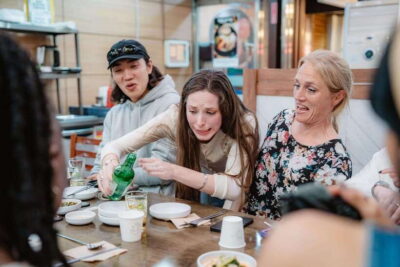
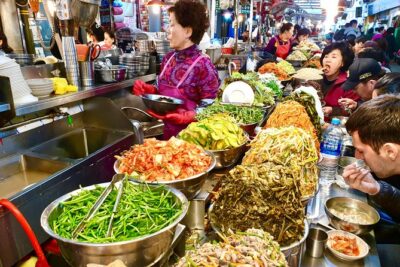
Downtown Seoul Guided Food & Market Tour with 8+ Local Tastings
Read our review →Small-Group Night Food Tour in Seoul with Korean BBQ
Read our review →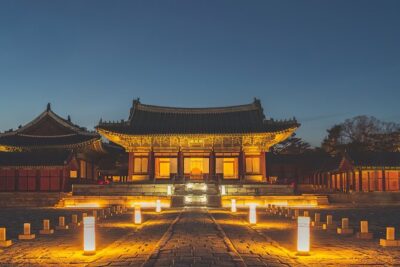
Seoul Night Palace & Market Food Tour with Vehicle
Read our review →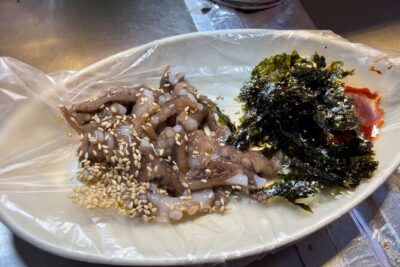
Seoul Fun Food Tour: 12 different food tastings
Read our review →
The Award-Winning PRIVATE Food Tour of Seoul: The 10 Tastings
Read our review →Browse the lists this tour appears in