
Reviewed · SEOUL
Discover Western Korea in 4days: All-Inclusive Experience
The most appealing part of this four-day trip is its route through western Korea, a side of the country many Seoul visits miss. You move from Baekje royal sites in Gongju to Jeonju’s old houses, Boseong’s tea rows, Suncheon’s coastal marsh, and a quiet memorial in Busan. I like the no-shopping policy and the fact that entrance fees, hotels, meals, and a professional English-speaking guide are bundled into one price.
I also like the balance between famous sights and slower moments, especially the tea conversation with a Buddhist monk and the hanbok session in Jeonju. The main drawback is the pace: you cover a lot of ground in four days, and the final day appears short before the afternoon KTX ride back to Seoul. You should also confirm the exact first-day pickup details before booking.
In This Review
- Key points to know before booking
- Why this route gives you more than Seoul
- Day one: Gongju and the Baekje royal past
- Day two: Jeonju houses, hanbok, and temple tea
- Day three: Boseong tea and Suncheon’s coastal marsh
- Day four: remembering the Korean War in Busan
- Hotels, food, and the meaning of all-inclusive
- Transport, walking, and group size
- Who should book this western Korea tour
- Should you book it?
- FAQ
- What is included in the $1,200 price?
- Does the tour include shopping stops?
- Where does the tour start?
- Where does the tour end?
- Is transportation to and from the starting and ending points included?
- Is the KTX ticket included?
- How large can the group be?
- How physically demanding is the experience?
- What happens if bad weather cancels the tour?
Key points to know before booking
- Four regions in four days: The route links Gongju, Jeonju, Boseong, Suncheon, and Busan without asking you to plan separate transport.
- No shopping stops: The schedule is built around cultural sites, food, scenery, and local encounters rather than store visits.
- Meals are included: Four lunches, three dinners, and three breakfasts are covered, with Korean dishes selected along the route.
- A real hands-on cultural stop: You wear hanbok in Jeonju Hanok Village and visit Gyeonggijeon Shrine.
- Small groups may ride the KTX: If your group has nine or fewer people, KTX tickets are provided for the return to Seoul.
- The pace is active: Expect walking at fortresses, tombs, temples, tea fields, and wetlands, so moderate fitness is needed.
Why this route gives you more than Seoul
At $1,200 per person, this is not a cheap four-day outing. It is closer to a packaged regional tour, and the value depends on how much you want handled for you.
The price covers three nights of accommodation, all listed meals, entrance fees, taxes, an air-conditioned vehicle, and an English-speaking guide or driver-guide. You are not paying separately at every museum or historic site, and you do not need to work out the route between five destinations.
I find the fixed format useful if you have limited time in Korea. Independent planning would require intercity transport, hotel bookings, local directions, meal decisions, and timed visits. This tour takes care of those pieces. It also avoids shopping stops, which can quietly eat time on packaged trips.
The tradeoff is freedom. You do not get to choose your restaurants, extend a museum visit, or skip a stop because you are tired. The vehicle varies with group size, and the group can include up to 35 people. That is manageable for a structured trip, but less personal than a private guide.
The food is one of the stronger reasons to consider the package. Four lunches, three dinners, and three breakfasts are included, and the program promises several types of Korean traditional food. A published account specifically praised the restaurant choices and described the food as excellent, along with clean, pleasant hotels and attentive care from a guide named Jay. Guide assignments can change, but that gives you a useful point of reference for the service style to expect.
A few more Seoul trips worth weighing up
- Discover Eastern Korea in 4days: All-Inclusive Experience
★ 4.5 · 16 reviews
Day one: Gongju and the Baekje royal past
The first morning begins at 8:00 a.m. in Seoul. The listed starting point is the AMID Hotel Seoul in Insadong, while the pickup information also refers to the Center Mark Hotel in Insadong. Since both names appear in the arrangements, confirm the exact meeting spot after booking.
Your first stop is Gongsanseong Fortress in Gongju, a hillside stronghold linked to the Baekje period. It received UNESCO World Heritage status in 2015, and the visit lasts about 90 minutes.
The setting matters here. A fortress on a hill gives you both old stonework and broad views over the surrounding area. You will walk rather than simply step off the coach for a photo, so wear shoes with a good grip. The climb is part of the experience, but it may feel demanding if you have limited mobility or dislike uneven ground.
Next comes the Songsan-ri Tombs and the Royal Tomb of King Muryeong. The burial chamber is known for its brick construction, an unusual detail that helps explain the engineering and burial customs of the period. The stop lasts another 90 minutes and includes admission.
This is a useful pairing with Gongsanseong Fortress. The fortress shows how a kingdom protected itself, while the tombs show how royal power and ceremony continued after death. You get a clearer sense of Baekje culture by seeing both kinds of remains on the same day.
The Gongju National Museum closes the day’s city visits. It holds about 10,000 cultural objects, including material connected with King Muryeong’s tomb. You may see gilt-bronze ornaments and other royal objects that make the earlier fortress and tombs easier to understand.
The museum visit is scheduled for one hour. That is enough for an introduction, but not enough for a slow study of every display. If you like archaeology, pay attention to how the objects show craftsmanship, status, and religious practice. The tour gives you the broad picture rather than a specialist’s museum day.
Day two: Jeonju houses, hanbok, and temple tea
Jeonju Hanok Village is the centerpiece of day two. More than 800 traditional hanok houses fill the area, giving you a chance to walk through lanes lined with tiled roofs, wooden details, and restored traditional buildings.
The schedule allows about two hours at the village, followed by a one-hour hanbok experience. Hanboknam Jeonju Hanok Village provides the clothing session, so this is not just a sightseeing walk. You can dress in Korean traditional clothing and explore the setting in a more memorable way.
The practical point is time. Two hours sounds generous, but the village includes several stops, photos, and the hanbok activity. You may want to keep your wandering focused instead of trying to see every lane. The program does not promise unlimited free time, so follow your guide’s meeting instructions closely.
Gyeonggijeon Shrine is another Jeonju highlight. Built in 1410, it holds a portrait of King Tae-jo, founder of the Joseon Dynasty. The shrine adds royal and religious context to the village, which might otherwise feel mainly like a pretty old neighborhood.
You visit Gyeonggijeon for about an hour, with admission listed as free. Take time to notice the formal layout and quiet courtyards. This is a place for slower observation, not a quick stop between shops.
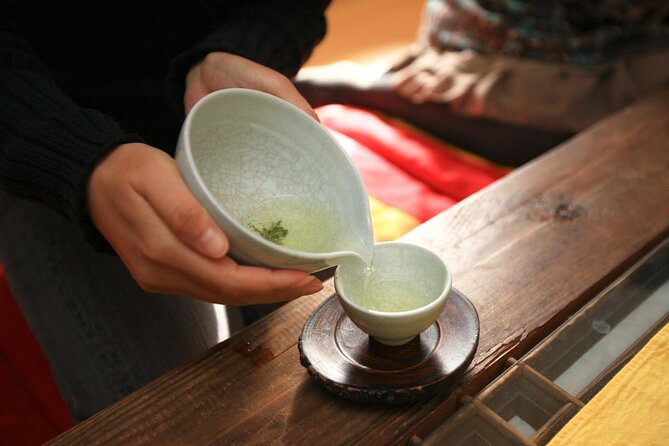
The day then shifts from urban heritage to Baekyangsa Temple. The temple is known for changing character with the seasons, and the visit includes a tea conversation with a Buddhist monk for about two hours.
This is one of the tour’s most distinctive activities. A temple tea meeting gives you a pause from monuments and transport. You have time to sit, listen, and reflect rather than collect another fast photograph. The exact format of the conversation is not specified, so expect a guided cultural encounter rather than a private religious retreat.
Baekyangsa also gives the itinerary a needed change of rhythm. The first half of the tour is full of royal buildings and museum displays. The temple introduces quiet, nature, and Korean Buddhist practice. If you prefer nonstop sightseeing, the slower pace may test your patience. I think it is a smart inclusion for anyone who wants more than a checklist of sites.
Day three: Boseong tea and Suncheon’s coastal marsh
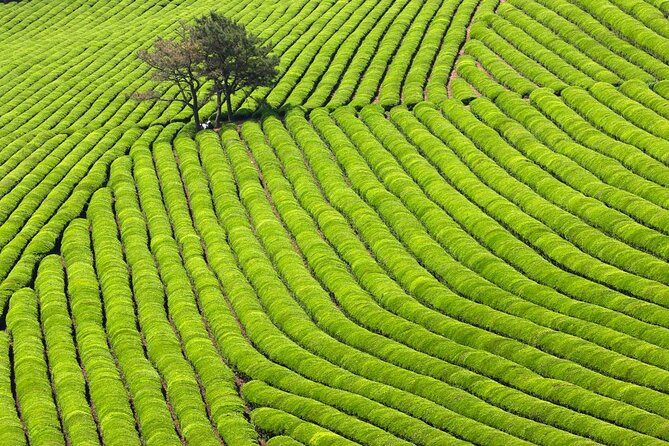
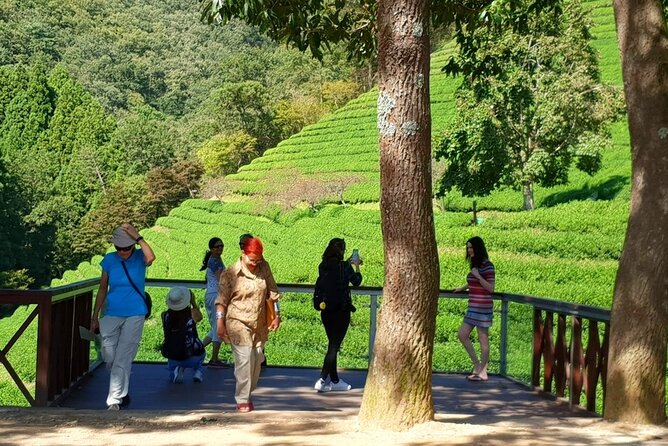
Day three begins at Daehan Dawon in Boseong, described as Korea’s largest green tea field. The visit lasts about two hours, giving you time to walk among the terraced tea rows and take in the views.
The tea fields are a visual change from the stone fortresses and wooden houses. You get open slopes, orderly planting, and a working agricultural setting. The stop is outdoors, so weather will affect how enjoyable it feels. The operator specifically notes that the activity requires good weather.
Do not treat this as a quick roadside photo stop. Two hours suggests a proper walk, and the rows may involve slopes. Bring comfortable shoes and prepare for sun or rain according to the forecast. The tour does not list special equipment, so ordinary day-trip clothing is the sensible choice.
After lunch, you continue to Suncheon Bay Wetland Reserve. The reserve sits where river water meets the sea and is described as one of the world’s five major wetlands. It supports more than 250 species, making it an important place for birds and other wildlife.
The scheduled visit lasts two hours. The value here is not a single monument. It is the chance to see a broad coastal ecosystem and understand a different side of Korea’s geography. The open wetland also gives you a break from built sites and city streets.
Suncheon can be especially rewarding if you enjoy walking and natural scenery. It may be less satisfying if you want constant historic buildings or indoor attractions. Wildlife sightings are never guaranteed, and the experience will change with season and weather, but the reserve gives the itinerary a welcome sense of space.
A completely different kind of day, same trip:
- Best DMZ Tour Korea from Seoul (Red Suspension Bridge Optional)
★ 5.0 · 41,422 reviews - DMZ Tour: 3rd Tunnel, Option(Suspension Bridge, Boat) from Seoul
★ 5.0 · 21,373 reviews - DMZ tour south Korea from Seoul (NK experience hall, defector)
★ 5.0 · 20,599 reviews - DMZ Insider Tour: 3rd Tunnel, NK Defector Meet & Red Bridge
★ 4.9 · 15,214 reviews
Day four: remembering the Korean War in Busan
The final listed attraction is the UN Memorial Cemetery in Busan. You spend about 90 minutes at this solemn site, which honors UN soldiers who died during the Korean War. Approximately 2,300 graves are arranged by nation.
This is not a casual sightseeing stop. The cemetery asks you to slow down and consider the international cost of the war. The national arrangement of the graves gives the site a clear structure, while the quiet setting allows for respectful reflection.
Admission is free, but the visit has real emotional weight. I would not plan it as a rushed photo opportunity. Listen to your guide’s explanation, observe the memorial grounds, and allow time for the place to speak for itself.
The listed fourth day contains only this main visit before the return journey. Your guide takes you to Busan Station, with an estimated departure of 2:31 p.m. and arrival at Seoul Station at 5:14 p.m. If your group has nine or fewer people, KTX tickets are provided. You arrange your own transportation onward from Seoul Station.
This final transfer is practical, but it also reveals one limitation of the tour. You finish in Seoul rather than continuing through Busan, so you do not receive a full Busan sightseeing day. If Busan’s markets, beaches, or city center are your main goal, add separate time before or after this tour.
Hotels, food, and the meaning of all-inclusive
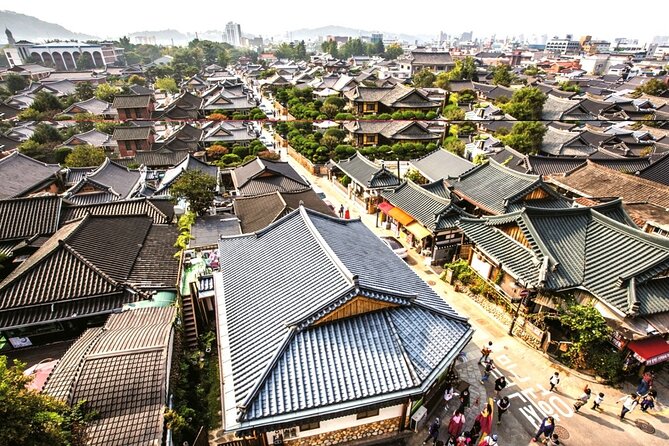
Three hotel nights are included, but the specific hotel names are not provided in the tour details. A published account described the hotels as clean and pleasant, which is encouraging, but you should not book this expecting a named luxury property unless the operator confirms it.
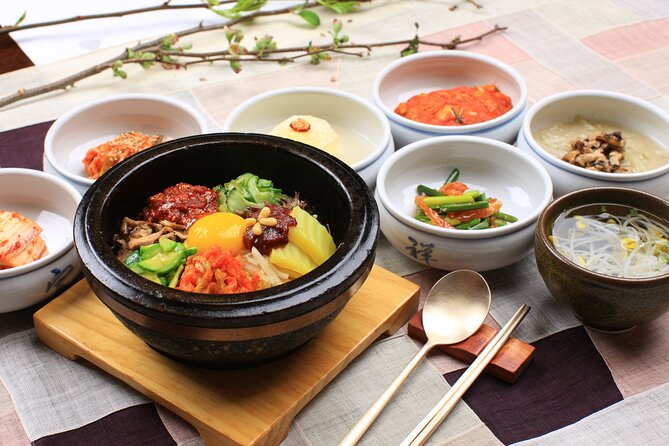
Meals are more clearly defined. You receive four lunches, three dinners, and three breakfasts. The program emphasizes different kinds of Korean traditional food, and restaurant choices are part of the planned service.
This setup suits you if you want to eat local food without researching every meal. It may be less suitable if you have strict dietary needs or want complete control over portions and menus, since the restaurant selection is arranged in advance and dietary details are not specified.
Drinks, tips, laundry, telephone, fax, pay TV, and other personal costs are not included. Travel insurance is also excluded. Those costs are easy to overlook when comparing the $1,200 price, so allow a little extra money for them.
Transport, walking, and group size
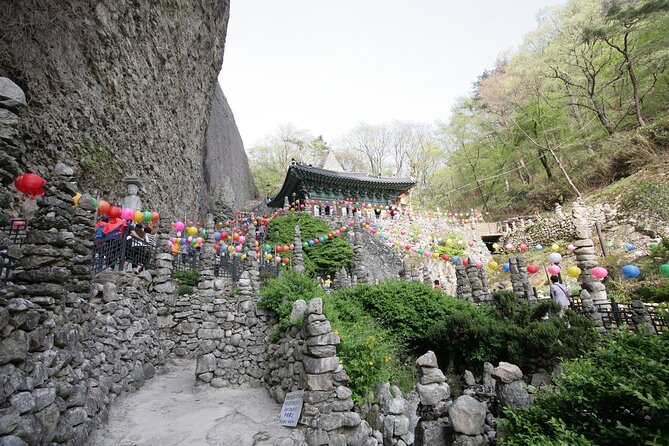
The tour uses an air-conditioned vehicle, with the vehicle type changing according to group size. The maximum group is 35 people. You will spend substantial time moving between regions, but the itinerary avoids making you handle the connections yourself.
The trip requires moderate physical fitness. You will walk at a hillside fortress, royal tombs, a village, a temple, tea fields, wetlands, and a cemetery. The schedule does not give a precise walking distance, and no special accessibility details are provided.
The group size affects the return to Seoul. Groups of nine or fewer receive KTX tickets, while the details do not state the exact return arrangement for larger groups. Ask for clarification if that point affects your decision.
The tour begins at 8:00 a.m. and ends at Seoul Station after the KTX ride. Hotel pickup on the first day and drop-off on the last day are not included. That means you need to reach the Insadong meeting point yourself and arrange your own onward transportation from Seoul Station.
Who should book this western Korea tour
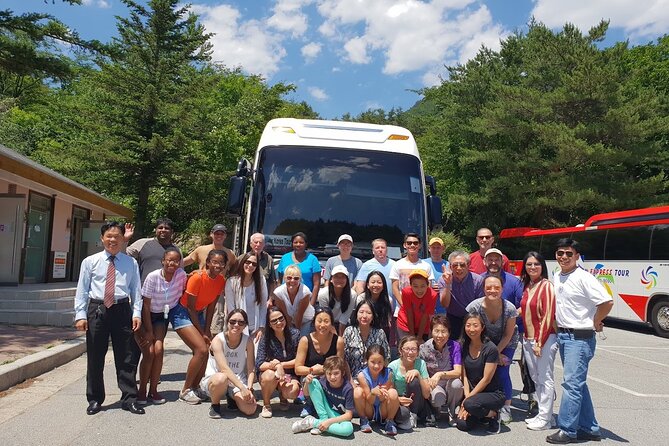
I would choose this trip if you want a well-organized introduction to several parts of Korea beyond Seoul. It suits you especially well if you value cultural context, included meals, and a guide who handles the practical details.
It is also a good match for a first visit when four days is all you can spare. You see royal remains, traditional architecture, Buddhist culture, agriculture, wetlands, and modern Korean memory in one compact route.
Families can consider it too, since the stated age range runs from one year to 80 and older. Still, the walking and long drives may be tiring for young children or anyone who needs a slower schedule.
I would hesitate if you want a relaxed holiday with long mornings, independent meals, or plenty of time in each city. This is a moving tour. You trade freedom for coverage, and you should be comfortable following a fixed timetable.
The tour is booked on average 35 days ahead, so it is sensible to reserve early if your dates are fixed. Confirmation is sent within 48 hours, subject to availability. The cancellation terms are strict close to departure: a full refund requires cancellation at least six full days before the start time, and poor weather may lead to a new date or full refund.
Should you book it?
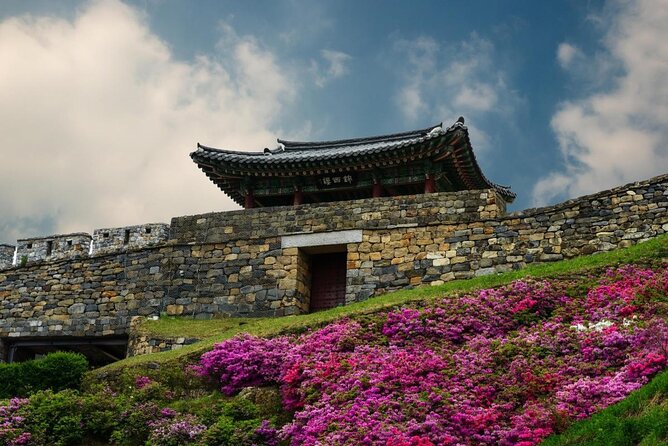
Book this tour if you want western Korea made simple, with no shopping stops, meals, hotels, admission fees, and transport gathered in one package. The strongest moments are the Jeonju hanbok experience, Baekyangsa’s monk-led tea conversation, and the contrasting scenery of Boseong and Suncheon.
Skip it if you want a deep stay in Busan, flexible dining, or an itinerary with more free time. At $1,200, the value is in convenience and variety rather than luxury or independence. Confirm the Insadong meeting point, hotel names, dietary arrangements, and the return transport policy for groups larger than nine before paying.
FAQ
What is included in the $1,200 price?
The price includes all tour entrance fees, an air-conditioned vehicle, three nights of accommodation, taxes and fees, a professional English-speaking guide or driver-guide, four lunches, three dinners, and three breakfasts.
Does the tour include shopping stops?
No. The program is designed with no shopping stops and no optional shopping arrangements.
Where does the tour start?
The listed starting point is AMID Hotel Seoul at 38 Insadong 5-gil in Jongno District. The pickup information also refers to the Center Mark Hotel in Insadong, so confirm the exact meeting location after booking.
Where does the tour end?
The tour ends at Seoul Station. You arrange your own transportation from Seoul Station to your next destination.
Is transportation to and from the starting and ending points included?
Hotel pickup on the first day and drop-off on the last day are not included. You must reach the Seoul meeting point yourself and arrange onward transportation from Seoul Station.
Is the KTX ticket included?
If the group consists of nine or fewer people, KTX tickets are provided. The estimated return is Busan Station at 2:31 p.m. to Seoul Station at 5:14 p.m.
How large can the group be?
The tour can have a maximum of 35 people. The vehicle varies according to group size.
How physically demanding is the experience?
A moderate level of physical fitness is recommended. The itinerary includes walking at a hillside fortress, tombs, a traditional village, a temple, tea fields, wetlands, and a cemetery.
What happens if bad weather cancels the tour?
Because the experience requires good weather, a cancellation caused by poor weather offers you either a different date or a full refund.
Just added around Seoul
- Incheon Airport Private Transfer between Seoul City★ 4.0 · 4 reviews
- Seoul’s Stars: Open Mic with Local & International Talent★ 4.8 · 4 reviews
- Samaksan Cable Car and Nami Island Day Escape with Railbike★ 4.0 · 4 reviews
- DMZ 2nd Tunnel and Cheorwon Peace Observatory with Admission★ 5.0 · 4 reviews
- Nami & Maple Road & Theatre des Lumieres Day Tour from Seoul★ 4.8 · 4 reviews
- Hire Photographer, Professional Photo Shoot – Seoul★ 5.0 · 4 reviews
- [KoreaByLocal] Authentic Seoul Night Walk and Chicken & Beer★ 5.0 · 4 reviews
- Play Gayageum in Hanbok Cultural Experience in Bukchon★ 5.0 · 4 reviews