Reviewed · FULL-DAY
Ganghwa Island – Full day private tour
Ganghwa Island gives you something Seoul cannot: a close look at rural Korea and its border history in one well-planned day. You will walk through a fortress that saw fighting with the United States, visit a Buddhist temple tied to the 1866 conflict with France, and look toward North Korea from only about two kilometers away.
I like the private vehicle and guide, which keep the day flexible and make hotel pickup simple. I also like the mix of history, local food shopping, religious sites, and countryside views. The drawback is the price: at $220 per person, with a two-person minimum, this is a serious spend, and lunch plus the optional luge ride cost extra.
In This Review
- Key points to know before booking
- Why Ganghwa Island makes a strong day outside Seoul
- Gwangseongbo Fortress and the island’s military past
- Jeondeungsa Temple inside Samrangseong Fortress
- A flexible break at Ganghwa Seaside Resort
- Ganghwa Pungmul Sijang and a taste of island life
- Peace Observatory and the view toward North Korea
- Yeonmijeong Pavilion for a second border view
- Ganghwa Anglican Cathedral and Korea’s opening to the West
- What the $220 price includes
- Who will get the most from this private day trip
- Should you book the Ganghwa Island tour?
- FAQ
- How long does the Ganghwa Island private tour last?
- Does the tour offer hotel pickup and drop-off?
- Is transportation included?
- Is this a private tour?
- What is the minimum number of people required?
- Is lunch included?
- Can I ride a luge at Ganghwa Seaside Resort?
- Can I see North Korea during the tour?
- Are entrance fees included?
Key points to know before booking
- North Korea is about 2 kilometers away at the Peace Observatory, where binoculars let you look toward villages and daily life across the border.
- The private format matters, with only your group in the vehicle and a guide who can explain events in a way that makes sense to you.
- Seven stops fill the day, from Gwangseongbo Fortress and Jeondeungsa Temple to a market, cathedral, and two viewing points.
- The Ganghwa Seaside Resort is optional, and its luge ride is not included in the tour price.
- Lunch is not included, so plan to pay separately for your meal.
- Moderate fitness is required, and the full outing lasts about eight hours with an 8:30 am start.
Why Ganghwa Island makes a strong day outside Seoul
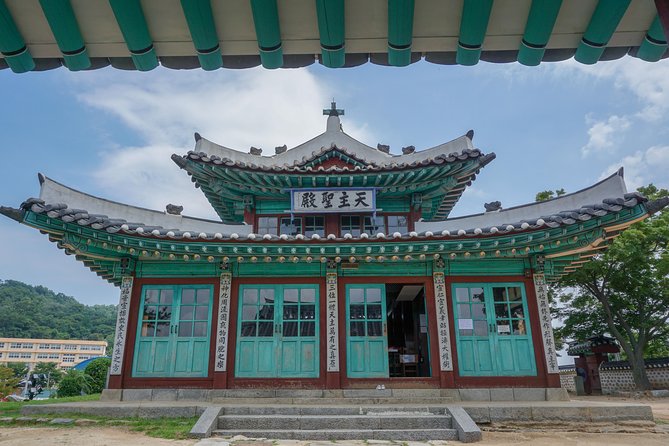
Ganghwa Island sits close enough to Seoul for a practical day trip, yet it offers a very different rhythm. Instead of another city district, you get farmland, mountain roads, old defensive sites, local shopping, and wide views toward the Korean border.
The island mattered greatly to the Joseon dynasty because of its position near the route to Seoul. Foreign powers also reached it during the 19th century, which gives the fortresses here a sharper historical edge than a simple scenic stop. You are not just looking at old walls. You are seeing a place where Korea defended its capital and met outside powers under pressure.
This tour is useful because the stops connect several parts of Ganghwa’s story. The morning focuses on military history and Buddhism. Later, you shift to local products, the border, traditional architecture, and Christian history. I like that range. It prevents the day from feeling like a string of similar monuments.
The private setup is especially helpful if you want questions answered in plain language. Guides associated with this experience include Mr. Lee and Miae. Their style is described as energetic, personal, and good at giving Western visitors the background needed to understand Korean history. Guide assignments can vary, so you may want to ask about your guide when you book.
A few more Seoul trips worth weighing up
- Full Day Tour In The Soop BTS Ver in PyeongChang Filming Location
★ 5.0 · 1,709 reviews - Seoul City Private Full-Day Tour Including Lunch
★ 5.0 · 469 reviews - Full-day Customizable Private Seoul Highlight Tour
★ 5.0 · 301 reviews
Gwangseongbo Fortress and the island’s military past
Your first major stop is Gwangseongbo Fortress, with about 30 minutes to walk around and take in the setting. This was a battlefield during the 1871 conflict with the United States, and the site helps explain why Ganghwa was so important to Joseon Korea.
Thirty minutes is enough for a focused visit, but not a slow historical study. I would use this stop to listen closely to the guide rather than rush through photographs. The value comes from understanding the island’s position and the pressure placed on Korea during the period of foreign contact.
The fortress also sets the tone for the day. Ganghwa is not only a quiet rural escape. Its peaceful appearance hides a difficult past of invasions, military defense, and political tension. A guide can connect the walls and defensive ground to the wider story, which is much harder to do from a sign alone.
Admission is included. You should expect some walking outdoors, so comfortable shoes and weather-appropriate clothing make sense. The tour requires a moderate fitness level, but the supplied details do not specify the exact number of stairs or the walking distance.
Jeondeungsa Temple inside Samrangseong Fortress
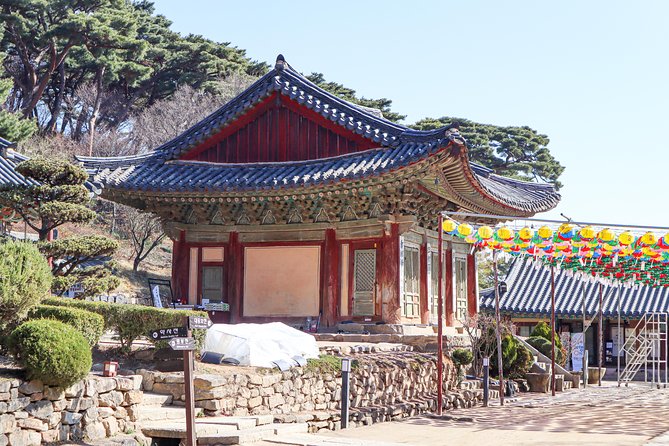
Next comes Jeondeungsa Temple, with about 40 minutes at the site. This old Buddhist temple sits within Samrangseong Fortress and is linked to the 1866 conflict with France.
The temple gives the day a welcome change of pace. After hearing about weapons and foreign attacks, you move into a mountain setting shaped by Korean Buddhism. Look for the way religious buildings fit into the surrounding slopes and fortress grounds. The point is not simply to check off an old temple. It is to see how spiritual life and military defense occupied the same place.
Again, the guide adds real value. Korean Buddhist sites can be difficult to read if you do not know what you are seeing, and a short explanation can turn a quiet courtyard into a meaningful stop. The visit is fairly brief, so you will get an introduction rather than an extended temple visit.
Admission is included. The mountain setting means you should be ready for some uneven ground or walking, though no precise access details are supplied. If your main interest is Korean religious architecture, you may wish the visit lasted longer. As part of a full island circuit, however, 40 minutes gives you a useful taste without taking over the day.
A flexible break at Ganghwa Seaside Resort
The Ganghwa Seaside Resort is an optional stop lasting about 50 minutes. Its main extra attraction is a luge ride down the hill, available if you want an active break.
This is the least essential part of the route for a history-focused visitor. If you are interested in the ride, it adds a playful change after the fortress and temple. Families or anyone who wants more than sightseeing may appreciate that choice.
The luge is not included in the tour price, and the supplied information does not give the ride fee. Ask your guide or the operator about the current cost before committing. If you skip it, you retain more time for the market, lunch, or another stop, depending on how your private schedule is handled.
Because this stop is optional, it is one of the benefits of booking a private tour. You are not locked into an amusement activity that does not interest you. Just remember that flexibility does not mean every stop can be extended indefinitely. The day still has a fixed start and an approximate eight-hour length.
A completely different kind of day, same trip:
- Best DMZ Tour Korea from Seoul (Red Suspension Bridge Optional)
★ 5.0 · 41,422 reviews - DMZ Tour: 3rd Tunnel, Option(Suspension Bridge, Boat) from Seoul
★ 5.0 · 21,373 reviews - DMZ tour south Korea from Seoul (NK experience hall, defector)
★ 5.0 · 20,599 reviews - DMZ Insider Tour: 3rd Tunnel, NK Defector Meet & Red Bridge
★ 4.9 · 15,214 reviews
Ganghwa Pungmul Sijang and a taste of island life
The 30-minute visit to Ganghwa Pungmul Sijang, a traditional market, brings you back to everyday life. The market is a chance to see what Ganghwa produces and sells, rather than viewing the island only through royal, military, or religious sites.
I would treat this as a browsing stop, not a full market meal. The tour details identify it as a place to see local specialties, but they do not promise a particular tasting or shopping allowance. Bring some Korean won if you want to buy products, since the tour price does not cover personal purchases.
Food is one of the ways this tour becomes more than a museum circuit. One account of the day included fish barbecue, food, and coffee, but your exact meal will depend on the guide and the day’s plan. Lunch is not included, so budget for it separately and ask what choices are available.
Thirty minutes can pass quickly in a market. If you like local food and small purchases, tell your guide early. The private format may allow some adjustment, but the tour must still reach the remaining border and cultural stops.
Peace Observatory and the view toward North Korea
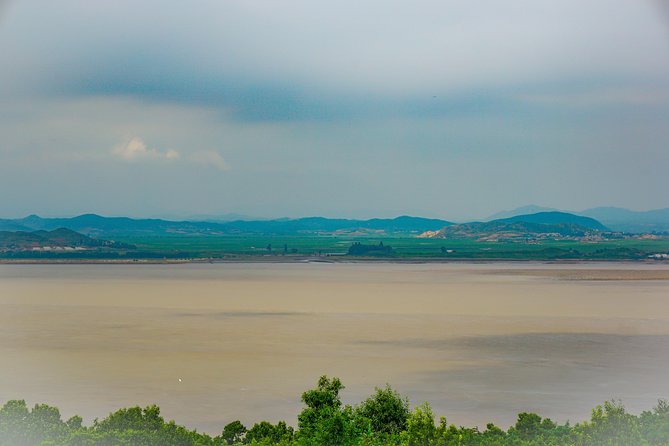
The emotional center of the day is Ganghwa Peace Observatory. You get about 40 minutes here, with binoculars available for looking toward North Korea. The distance is described as only two kilometers from the island.
This is a rare chance to connect a major political boundary with an ordinary rural view. Through the binoculars, you may see signs of life across the water and fields, but the exact visibility depends on weather and conditions. The experience is less about a dramatic sight and more about realizing how close the border is.
Your guide’s explanation matters here. Without context, the observatory can become a quick glance through a scope. With context, you can better understand the division of the Korean Peninsula and why this island has such strategic importance.
Do not expect a theme-park style attraction. This is a viewing point with a serious subject. The mood may be quiet and reflective, and the view can vary. Still, for many people, this is the stop that makes the day distinctive. Seoul offers history and modern culture in abundance, but it cannot put you this close to North Korea.
Admission is included. You should also remember that the observatory is not a guarantee of perfect visibility. Clear weather will help, but the tour data does not promise a specific view or particular buildings on the far side.
Yeonmijeong Pavilion for a second border view
Yeonmijeong Pavilion gives you another 30-minute pause with views of Ganghwa Island and a further chance to look toward North Korea. The pavilion adds a different setting from the observatory, with a more traditional architectural feel and an open outlook.
I like having two viewing points because they offer different ways to understand the border. The Peace Observatory provides binoculars and a formal explanation. Yeonmijeong gives you a quieter scenic stop where you can take in the island’s position and rural surroundings.
This is also a useful photography break, though the main value remains the view and the setting. The visit is free, and no special admission charge is listed. Since the stop lasts only half an hour, keep an eye on the time if you are taking photographs or listening to the guide.
The two border stops may feel repetitive if you prefer temples or markets to political history. If North Korea is one of your main reasons for visiting Ganghwa, though, the pairing works well.
Ganghwa Anglican Cathedral and Korea’s opening to the West
The final listed stop is Ganghwa Anglican Cathedral, with about 30 minutes to look around. Ganghwa served as an entrance route toward Seoul, and Western visitors came through the island. The cathedral remains a visible sign of that contact.
This stop broadens the story beyond battles with the United States and France. You see how foreign influence reached Korea through religion and architecture, not only through military conflict. It is a compact visit, but it helps tie together the island’s role as a gateway.
The cathedral is free to enter according to the tour details. You should not expect a long service or guided religious program. Instead, this is a short cultural and architectural stop that works well near the end of a varied day.
I appreciate that the route includes both a Buddhist temple and an Anglican cathedral. That contrast gives you a clearer sense of Korea’s changing religious and international connections without requiring a separate day of sightseeing.
What the $220 price includes
The price is $220 per person, and at least two people must book. For two people, that means a base cost of $440 before lunch and any luge fee. The tour is often booked about 32 days ahead, so I would not leave it until the last moment if your Seoul dates are fixed.
That price is high compared with a large group bus excursion, but the comparison is not quite fair. You are paying for hotel pickup and drop-off at Seoul hotels, an air-conditioned minivan, a driver-guide, bottled water, a private itinerary, and the listed admission fees.
The private vehicle is the main value. Ganghwa has several stops spread across the island, and not having to manage public transport connections saves time and effort. You can also ask for explanations suited to your interests, and the group does not include strangers.
The price is less attractive if you are a solo visitor, since the minimum booking is two people. It is also less attractive if you want a relaxed day at just one or two sites. This tour packs in seven stops, so part of what you pay for is the ability to cover a lot of ground in eight hours.
Group discounts are available, though the exact reduction is not specified. Ask for the current rate if you are booking with several people. Lunch, personal purchases, and the optional luge ride are extra.
Who will get the most from this private day trip
I would recommend this tour to you if you want history with a local setting, rather than another day among Seoul’s major urban sights. It suits first-time visitors who want a broad introduction to Korea’s military, religious, rural, and border stories.
It also fits families or small groups who value door-to-door transport. A private minivan is easier than coordinating several buses, especially when the route includes distant sites and a border observatory.
You should have moderate physical fitness. The exact walking demands are not provided, but the day includes fortress grounds, a mountain temple, outdoor viewpoints, and several separate stops. Comfortable shoes are sensible.
This is not the best choice if your priority is nightlife, long shopping sessions, or a slow temple retreat. It is also not ideal if you dislike moving between many sites. The schedule is full by design.
Free cancellation is available if you cancel at least 24 hours before the local start time. Changes or cancellations inside that window are not accepted for a refund, so keep that cutoff in mind when making plans.
Should you book the Ganghwa Island tour?
Book it if you want an efficient, private day that combines North Korea views, Korean history, and rural scenery without arranging transport yourself. The strongest parts are the Peace Observatory, the two fortress-related sites, and the guide’s ability to explain why Ganghwa mattered.
The $220 cost is easier to justify for two or more people who value privacy and hotel pickup. It is harder to justify if you are watching every dollar or would be happy with a simple group excursion.
If you book, ask about your guide, the lunch plan, the current luge charge, and how much flexibility you will have at the optional resort. Choose comfortable shoes, start with an open mind, and give the border stops the attention they deserve. This is a full day, but it gives you a side of South Korea that is difficult to find in Seoul alone.
FAQ
How long does the Ganghwa Island private tour last?
The tour lasts about eight hours. It begins at 8:30 am.
Does the tour offer hotel pickup and drop-off?
Yes. Hotel pickup and drop-off are included for hotels located in Seoul.
Is transportation included?
Yes. Transport is provided in an air-conditioned minivan.
Is this a private tour?
Yes. Only your group participates in the activity.
What is the minimum number of people required?
A minimum of two people is required per booking.
Is lunch included?
No. Lunch is not included in the tour price.
Can I ride a luge at Ganghwa Seaside Resort?
Yes, a luge ride is available at the optional Ganghwa Seaside Resort stop. The ride admission is not included.
Can I see North Korea during the tour?
The Ganghwa Peace Observatory offers binocular viewing toward North Korea. North Korea is described as about two kilometers from the island, and Yeonmijeong Pavilion also offers a chance to look toward it.
Are entrance fees included?
Admission is included for Gwangseongbo Fortress, Jeondeungsa Temple, and Ganghwa Peace Observatory. Ganghwa Pungmul Sijang, Yeonmijeong Pavilion, and Ganghwa Anglican Cathedral are listed as free. The optional luge ride is not included.
Just added around Seoul
- Incheon Airport Private Transfer between Seoul City★ 4.0 · 4 reviews
- Seoul’s Stars: Open Mic with Local & International Talent★ 4.8 · 4 reviews
- Samaksan Cable Car and Nami Island Day Escape with Railbike★ 4.0 · 4 reviews
- DMZ 2nd Tunnel and Cheorwon Peace Observatory with Admission★ 5.0 · 4 reviews
- Nami & Maple Road & Theatre des Lumieres Day Tour from Seoul★ 4.8 · 4 reviews
- Hire Photographer, Professional Photo Shoot – Seoul★ 5.0 · 4 reviews
- [KoreaByLocal] Authentic Seoul Night Walk and Chicken & Beer★ 5.0 · 4 reviews
- Seoul Film Camera Club★ 5.0 · 4 reviews
Full-Day, compared.
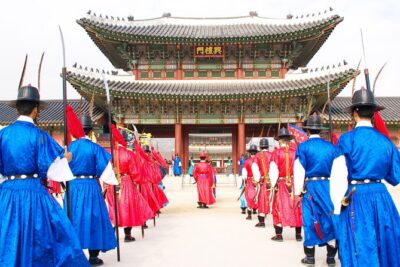
Seoul City Private Full-Day Tour Including Lunch
Read our review →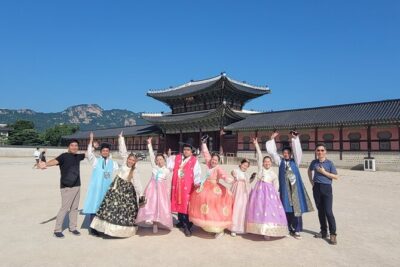
Full-day Customizable Private Seoul Highlight Tour
Read our review →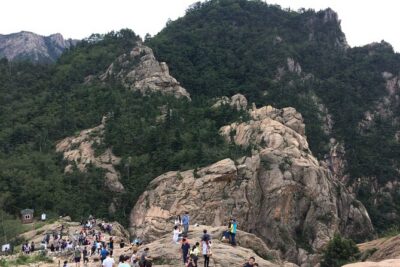
Full-Day Tour in Mt. Seorak & Nami (+Rail Bike Option)
Read our review →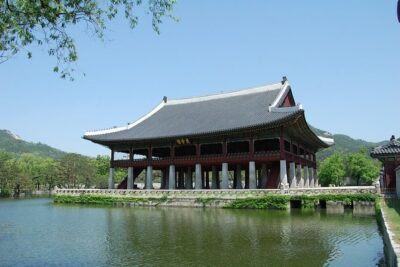
Full Day- Essential Seoul City Tour & Gourmet Tour(including Lunch and Dinner)
Read our review →
Full Day Private Tour Nami Island, Garden & Petite France
Read our review →
Seoul City Full Day Tour – Changdeok Palace (wearing Hanbok)
Read our review →