
Reviewed · CYCLING TOURS
Bike tour, Travel back in time to Old Seoul
Seoul’s past is hiding in plain sight, and this three-hour bike tour connects it by pedal power. You move from Cheonggyecheon Stream to royal palaces, stone-wall lanes, churches, markets, and cafe streets, seeing how old Seoul fits inside the modern city.
I like two things here. First, the route gives you Joseon-era context instead of treating palaces as pretty buildings with no story. Second, the ride is described as gentle, and guides such as Sangwoo and Hyun bring a relaxed, safety-minded feel to the outing. The main caution is timing: the information gives a 10:00 am start, while the tour description also presents it as an evening ride for cooler air and sunset. Confirm the departure time before booking.
In This Review
- Key points at a glance
- Why this ride gives Seoul a clear shape
- Cheonggyecheon Stream and the first look at old Seoul
- Deoksugung and the end of the Joseon kingdom
- Jung-dong and Gyeonghuigung’s difficult king
- Gwanghwamun Square and Gyeongbokgung
- Samcheongdong-gil and Seoul’s local side
- The market snack and Jongno 3 Stalls Alley
- What the pace feels like on two wheels
- Is $76.99 a fair price?
- Who should book this Seoul ride?
- Should you book this tour?
- FAQ
- How long does the bike tour last?
- Where does the tour start?
- Where does the tour end?
- What time does the tour start?
- What language is the tour conducted in?
- How many people can join the tour?
- Is bicycle use included?
- Are helmets and lights provided?
- Is food included?
- What happens if the weather is bad?
- What is the cancellation policy?
Key points at a glance
- Ten central Seoul stops: See Cheonggyecheon Stream, Deoksugung, Gyeonghuigung, Gyeongbokgung, Gwanghwamun Square, Samcheongdong-gil, and more.
- A gentle city ride: The route suits people with moderate physical fitness and is not presented as strenuous.
- Small group size: A maximum of eight people allows more room for conversation and questions.
- Local food included: You receive one Korean street-food snack, such as hotteok, fish-shaped red bean pastry, or a Korean corn dog.
- History beyond palace gates: The route adds churches, alleyways, cafes, boutiques, and a market area.
- Bad-weather backup: Poor weather can change the bike outing to a walking tour or lead to a new date or refund.
Why this ride gives Seoul a clear shape
Many first visits to Seoul become a string of impressive but disconnected sights. You see a palace roof, a busy avenue, a stream, and a market, then move on. This route is more useful because it links those places through the story of central Seoul.
The Joseon dynasty left five royal palaces in the city. This tour does not provide a full visit inside every palace, and several stops are brief. Still, pausing at the entrances and hearing why each site mattered can help you understand the city’s power structure, royal family, foreign influence, and later changes.
I especially like the mix of grand places and ordinary streets. You are not kept inside a palace district for three hours. You pass through areas with small cafes, boutiques, restaurants, churches, and alleyways used by local residents. That contrast makes the old capital feel like part of present-day Seoul rather than a separate museum zone.
The route begins and ends at 123 Euljiro 2(i)-ga in Jung District. It uses bicycles supplied by UCANKOREA, with helmets and lights included. Bottled water and one snack are also provided.
A few more Seoul trips worth weighing up
- From Seoul: Nami Island, K-drama Garden & Rail Bike Day Tour
★ 4.6 · 724 reviews - Seoul E-bike Tour
★ 5.0 · 536 reviews - Day Trip to Nami Island with Rail bike and The Garden of Morning Calm
★ 4.5 · 459 reviews
Cheonggyecheon Stream and the first look at old Seoul
The opening stop is Cheonggyecheon Stream, where you get a quick lesson in how geography shaped the capital. Korean ancestors chose the stream as a main water source when selecting the city’s center, and the guide uses the idea of feng shui to explain that choice.
This is also a good place to see how much Seoul has changed. Until the 1960s, the stream area looked very different from the clean urban waterway you see today. The stop is only about 15 minutes, so do not expect a long walk along the water. Instead, treat it as a strong introduction to the city’s changing fortunes.
The route then reaches Seoul City Hall, a short five-minute stop. Here, the guide connects modern power centers such as Gangnam and Hannam with the older concentration of wealth and authority in central Seoul. It is a brief pause, but it helps set up the question running through the tour: who controlled Seoul, and where did they live?
Deoksugung and the end of the Joseon kingdom
Deoksugung is one of the more serious stops. The palace is closely tied to the final years of the Joseon era, and the guide discusses the last king who lived there and the political pressure that brought the kingdom to an end.
You may find this stop more reflective than the earlier city sights. The tour does not simply present a palace as a photogenic courtyard. It asks you to consider what happens when a royal system loses control of its own future. The stop lasts around 10 minutes, enough for an explanation and a look at the setting, but not a full palace visit.
Next comes Deoksugung Doldam-gil, the famous stone-wall road beside the palace. The street is attractive in every season, with cherry blossoms in spring, green summer foliage, and autumn leaves later in the year. Its appeal is not only visual. A well-known Seoul legend links the road with couples and separation, adding a bit of local character to the walk or ride.
This section should be easy on the legs. You stop for about five minutes, take in the wall, and continue. If you want extensive photos, you may need to return on your own after the tour.
Jung-dong and Gyeonghuigung’s difficult king
The Jung-dong stop adds a different layer: Western churches and cathedrals connected with the enlightenment period at the end of Joseon. You get about five minutes here, enough to notice the peaceful feel of the area and hear how new religious and cultural influences entered Korea.
That change matters because the tour is not only about royal architecture. It also shows the pressures and ideas arriving from outside the old court system. The churches provide a useful pause between palace stories, even though this is one of the shorter stops.
At Gyeonghuigung Palace, the guide turns to King Gwanghae. He became king after proving himself during the Japanese invasion in the late 16th century, but insecurity about his origins followed him. The story gives the palace a human focus: a young ruler with political skill, but also a vulnerable claim to power.
The stop lasts about 15 minutes. Gyeonghuigung is a worthwhile inclusion because it is less familiar to many first-time visitors than the major royal sites. Do not expect a long, detailed exploration of the grounds. The value lies in the explanation and in seeing another part of the Joseon royal network.
A completely different kind of day, same trip:
- Best DMZ Tour Korea from Seoul (Red Suspension Bridge Optional)
★ 5.0 · 41,422 reviews - DMZ Tour: 3rd Tunnel, Option(Suspension Bridge, Boat) from Seoul
★ 5.0 · 21,373 reviews - DMZ tour south Korea from Seoul (NK experience hall, defector)
★ 5.0 · 20,599 reviews - DMZ Insider Tour: 3rd Tunnel, NK Defector Meet & Red Bridge
★ 4.9 · 15,214 reviews
Gwanghwamun Square and Gyeongbokgung
Gwanghwamun Square was a center of power during the Joseon period, and the tour uses it to introduce two of Korea’s most respected historical figures. The stop lasts around 20 minutes, making it one of the longer pauses on the route.
This is a good place to slow down and listen. You are in a major public space, but the guide’s focus is on the people and institutions that shaped Korea. The square links the royal palace district with the modern capital, so it works well as a bridge between past and present.
At Gyeongbokgung Palace, you pause at the entrances and look across the architecture associated with Seoul’s royal age. The tour presents each palace as having a different character, and this stop lets you feel the scale of the main palace area without committing to a long indoor visit.
That distinction is important. This is a sightseeing ride with historical interpretation, not a three-hour palace admission tour. If you want to inspect every courtyard, gate, and museum display, plan a separate visit to Gyeongbokgung. If you want a concise introduction while covering more ground, the short stop is an advantage.
Samcheongdong-gil and Seoul’s local side
Samcheongdong-gil Road changes the mood again. Instead of palace politics, you see small lanes lined with cafes, boutiques, and restaurants. The route is designed to show you where locals spend time, at least in the central neighborhoods included here.
I like this part because it keeps the tour from becoming a history lecture on wheels. You get a chance to notice the smaller details of Seoul’s streets, including how commercial spaces fit beside old walls and historic districts. The stop is about 10 minutes, so it is more of a taste than a shopping break.
You should not expect time for a full cafe visit or a serious bout of browsing. The bike group needs to keep moving, and the route has several historic stops still ahead. Still, this short look may help you choose an area to revisit later in your trip.
The market snack and Jongno 3 Stalls Alley
The final area is Jongno 3 Stalls Alley, where the tour brings in street food and local atmosphere. One snack is included. Examples are hotteok, a sweet Korean pancake; a fish-shaped pastry filled with red bean; or a Korean corn dog.
This is a useful perk, but keep your expectations measured. One portion is a taste, not dinner. The food is meant to add a local flavor to the ride, while the tour continues through the area. Bottled water is included, but dinner is not.
The food stop also gives you a practical advantage. The bike drop-off is close to the market area, making it easy to return later if you want more time with the stalls. A guide can also provide map pins for places to revisit, which is handy when you are trying to remember where a good snack or alley was located.
The tour allows conversation and short rest periods at each stop. That makes the experience feel less like a race through central Seoul. At the same time, ten stops in three hours means some explanations will be compact. You receive a broad city primer, not a specialist seminar on one palace.
What the pace feels like on two wheels
The cycling is described as gentle rather than strenuous. You still need moderate physical fitness, since you will ride through the city for about three hours, stop repeatedly, and manage the bike in an urban setting.
A maximum of eight people is a real benefit. A small group can pause more easily, hear the English-speaking guide, and ask questions without losing half the explanation. The guides named in the tour material, including Sangwoo and Hyun, are associated with a calm and friendly approach. Hyun is also noted for keeping the ride safe, relaxed, and enjoyable.
Helmets and lights are supplied. The mobile ticket keeps the booking simple, though you should have your confirmation ready at the meeting point.
The route is weather-sensitive. In poor weather, the bike tour can be replaced by a walking tour. You may also be offered another date or a full refund if the activity is canceled. Since the description emphasizes cooler evening temperatures and sunsets, while the practical details state a 10:00 am start, ask UCANKOREA to confirm the exact time before you set your day around it.
Is $76.99 a fair price?
At $76.99 per person, this is not the cheapest way to see central Seoul. The price includes the bike, safety equipment, an English-speaking guide, water, and one snack. Its main value comes from combining transport, interpretation, and a carefully connected route in a small group.
The comparison depends on how you normally explore. If you already plan to visit the palaces independently and enjoy reading signs at your own pace, you may prefer to spend your money on palace admission or food. If you want someone to explain the link between the stream, royal residences, city squares, churches, and markets, the fee is easier to justify.
The tour also saves planning time. You do not have to work out how to connect ten central stops or decide which side streets are worth a look. The tradeoff is limited time at each place. You pay for range and guidance, not long, quiet visits.
Who should book this Seoul ride?
I would recommend it to a first-time Seoul visitor who wants a clear introduction to the city center. It suits you if you enjoy light exercise, short historical talks, local snacks, and seeing several neighborhoods in one outing.
It is also a good fit if palace visits alone feel too formal. The route adds Cheonggyecheon Stream, Deoksugung Doldam-gil, Jung-dong, Samcheongdong-gil, and Jongno 3, giving you a wider sense of Seoul.
You may want something else if your priority is a detailed palace tour. The brief stops will not satisfy someone who wants to study architecture, spend an hour in each courtyard, or visit every exhibition. You should also think twice if you dislike cycling in a city or cannot manage moderate physical activity.
Free cancellation is available up to 24 hours before the start time. Changes made inside that window are not accepted, and poor weather can affect the outing. The activity is usually booked well ahead, with an average lead time of 26 days, so booking early is sensible if your Seoul dates are fixed.
Should you book this tour?
Book it if you want Seoul’s old center explained as a connected story, not just a list of palace names. The best parts are the small group, the gentle pace, the English-speaking guide, and the mix of royal sites with ordinary lanes and street food.
Skip it if you want a full palace immersion or a substantial food tour. Also confirm the start time, since the supplied details refer both to 10:00 am and to an evening sunset ride. With that point settled, this is a practical way to get your bearings, learn why central Seoul developed as it did, and find a few places worth returning to on foot.
FAQ
How long does the bike tour last?
The experience lasts approximately three hours.
Where does the tour start?
It starts at 123 Euljiro 2(i)-ga, Jung District, Seoul, South Korea.
Where does the tour end?
The activity ends back at the meeting point.
What time does the tour start?
The practical details give a 10:00 am start. The description also refers to beginning as the sun goes down for cooler temperatures and sunsets, so confirm the exact departure time before booking.
What language is the tour conducted in?
The tour is conducted in person in English.
How many people can join the tour?
The maximum group size is eight people.
Is bicycle use included?
Yes. Use of the bicycle is included in the price.
Are helmets and lights provided?
Yes. Safety equipment, including helmets and lights, is provided.
Is food included?
One local street-food snack is included. Examples include hotteok, a fish-shaped red bean pastry, or a Korean corn dog. Dinner is not included.
What happens if the weather is bad?
The bike tour may be replaced by a walking tour. If the activity is canceled because of poor weather, you can be offered another date or a full refund.
What is the cancellation policy?
You can cancel up to 24 hours before the experience for a full refund. Cancellations or changes made less than 24 hours before the start time are not accepted for a refund.
Just added around Seoul
- Incheon Airport Private Transfer between Seoul City★ 4.0 · 4 reviews
- Samaksan Cable Car and Nami Island Day Escape with Railbike★ 4.0 · 4 reviews
- DMZ 2nd Tunnel and Cheorwon Peace Observatory with Admission★ 5.0 · 4 reviews
- Seoul’s Stars: Open Mic with Local & International Talent★ 4.8 · 4 reviews
- Nami & Maple Road & Theatre des Lumieres Day Tour from Seoul★ 4.8 · 4 reviews
- Hire Photographer, Professional Photo Shoot – Seoul★ 5.0 · 4 reviews
- [KoreaByLocal] Authentic Seoul Night Walk and Chicken & Beer★ 5.0 · 4 reviews
- Play Gayageum in Hanbok Cultural Experience in Bukchon★ 5.0 · 4 reviews
Cycling Tours, compared.
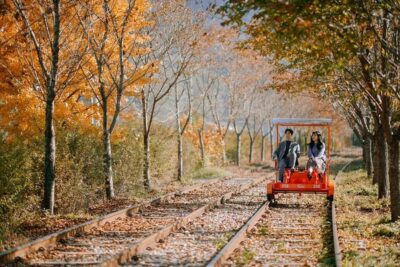
Nami Island, K-drama Garden & Rail Bike Day Tour
Read our review →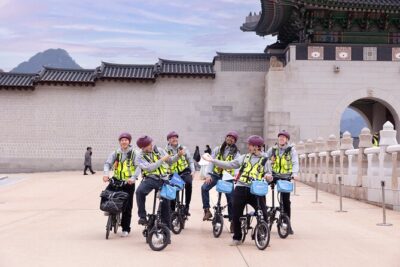
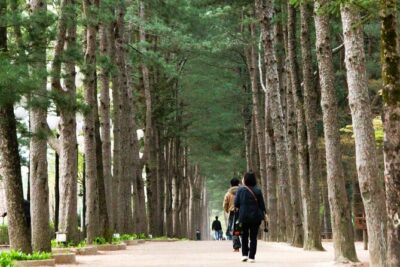
Day Trip to Nami Island with Rail bike and The Garden of Morning Calm
Read our review →
Nami+Alpaca+Garden of Morning Calm (+Rail Bike Option)
Read our review →
Alpaca, Nami, Morning Calm or Eobi (+Rail Bike)
Read our review →
Full-Day Tour in Mt. Seorak & Nami (+Rail Bike Option)
Read our review →
Alpaca World and Nami Island with Gangchon Rail Bike Tour
Read our review →
Morning Bike Tour along the Han River with a Local
Read our review →Browse the lists this tour appears in